
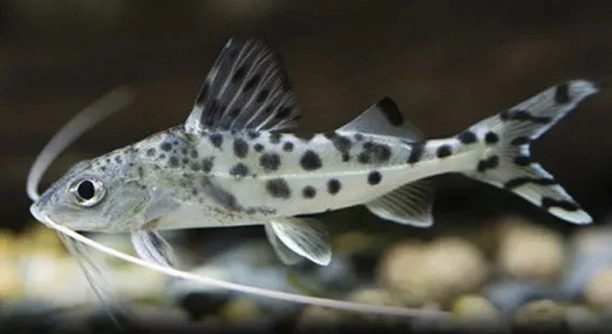
Have you ever set up an aquarium and wondered whether your fish enjoy the space you’ve given them to swim around?
Pictus catfish do appreciate open swimming areas, especially when kept in groups. These active and fast-moving fish benefit from open space, which supports their natural behavior and reduces stress.
Learning more about their habits can help you create a tank that meets both their physical needs and natural instincts.
Why Open Swimming Areas Matter for Pictus Catfish
Pictus catfish are naturally active and need space to move around freely. In the wild, they swim through open waters and hide in driftwood or rocks when needed. When placed in a small or overcrowded tank, their movement becomes restricted, and this can lead to stress. That’s why it’s important to provide a spacious tank with clear swimming zones. A tank that’s at least 55 gallons is ideal, especially if you plan to keep multiple Pictus catfish together. They are social and do better in groups, but they also need enough room to swim without bumping into one another or tank décor.
Keeping them in tight areas can lead to skittish behavior and even aggression.
A well-planned tank should balance hiding spots with open zones, allowing them to feel secure while still having plenty of room to move. Smooth rocks, driftwood, and plants around the edges work well without blocking swimming lanes.
How Tank Setup Affects Behavior
Cramped setups can make Pictus catfish nervous and inactive. Open areas help them feel safer and more comfortable, especially in low-light settings.
When you give them a tank with the right layout, you’ll notice a clear difference in their behavior. They will swim more confidently and interact more naturally, especially if they’re kept in a group. Pictus catfish are nocturnal, but in a well-structured tank, they sometimes explore during the day. Hiding spots along the edges of the tank or near the bottom give them a place to rest, while the center should remain open for free movement. Avoid decorations that take up too much space or have sharp edges, as these can cause injury. A smooth substrate is also helpful, since they like to scavenge along the bottom. Keep lighting soft, and avoid bright conditions, which can make them hide more often. A calm and open tank environment supports both their physical health and natural instincts.
Common Mistakes in Tank Layout
One common mistake is overcrowding the tank with decorations. While it may look nice, too many items block swimming areas and create unnecessary stress for active fish like Pictus catfish.
Another issue is choosing the wrong type of tank mates. Pictus catfish are peaceful but very active, which can disturb slow-moving or territorial fish. Mixing them with aggressive species or ones that need different water conditions can lead to problems. It’s also easy to forget how fast they swim. Sharp decorations or small tunnels can injure them. A proper setup should include open space in the middle of the tank and hiding areas along the sides. Avoid using rough rocks or dense plants that take up too much room. Smooth décor and proper spacing make a big difference in how comfortable and safe the fish feel.
Poor lighting is also a frequent problem that affects their daily behavior.
Inappropriate lighting can make Pictus catfish hide all day. Bright lights cause them to become anxious and limit their activity, especially during daytime. Choosing soft, adjustable lighting helps create a natural environment. Use floating plants or dimmable lights to reduce brightness. This helps them feel secure while still letting you enjoy their activity. Try to mimic low-light river environments they naturally prefer. This encourages them to be more visible and relaxed in the tank. Consistent lighting patterns also help with their internal rhythm and support healthier behavior. When light is too intense, even a perfect layout won’t keep them calm.
How Tank Size Influences Activity
Smaller tanks limit movement and create stress. Even if water quality is perfect, a cramped space keeps them from swimming freely and behaving naturally.
A larger tank allows for steady movement and encourages group swimming. It also helps reduce territorial behavior and keeps water conditions more stable.
Ideal Conditions for Happy Pictus Catfish
A tank size of at least 55 gallons is best for Pictus catfish, especially when keeping them in small groups. These fish need open space to swim and enough room to avoid stress. Water should be kept at 72–78°F with a slightly acidic to neutral pH. Good filtration is important, as they produce a fair amount of waste. Use a smooth substrate and place hiding spots around the edges to prevent injuries. Maintain soft lighting and avoid bright, direct exposure. Proper water flow also helps mimic their natural river environments. All of these conditions work together to support their natural behavior.
Final Notes on Swimming Preferences
Pictus catfish thrive best when they have room to swim, soft lighting, and calm, open spaces that reflect their natural habitat.
FAQ
Do Pictus catfish need hiding spots if they like open swimming areas?
Yes, even though Pictus catfish enjoy open swimming spaces, hiding spots remain important. They use these areas to rest and feel safe, especially during bright light or when stressed. Providing places like caves, driftwood, or dense plants along tank edges allows them to retreat comfortably without overcrowding the swimming area.
Can Pictus catfish live happily in small tanks?
Small tanks are not ideal for Pictus catfish. These fish are active swimmers and require space to move freely. Tanks smaller than 30 gallons limit their natural behavior and may cause stress or health problems. A larger tank, preferably 55 gallons or more, is recommended to keep them healthy and active.
What tank mates are best for Pictus catfish?
Peaceful and similarly sized fish are the best companions for Pictus catfish. Avoid aggressive or very slow-moving species that may get stressed or harmed. Good choices include tetras, barbs, and other calm community fish. Avoid large or territorial fish that might intimidate or compete with them.
How important is water quality for Pictus catfish?
Water quality is very important. Pictus catfish produce moderate waste, so regular filtration and water changes are necessary. Keep the water temperature between 72–78°F and pH around 6.5–7.5. Clean, well-oxygenated water supports their activity and health.
Do Pictus catfish prefer specific lighting conditions?
They prefer dim or soft lighting. Bright light can make them hide more and reduce their swimming activity. Use adjustable lighting or floating plants to soften bright lights. This mimics their natural river environment and keeps them comfortable.
How many Pictus catfish should be kept together?
Keeping at least three or more Pictus catfish together is best. They are social fish and feel safer in groups. A small group helps reduce stress and encourages natural swimming patterns. However, make sure the tank is large enough to provide enough space for all fish.
Can Pictus catfish live without open swimming areas?
While they can survive without open swimming areas, it is not ideal. Lack of space restricts their movement and natural behavior, leading to stress and health issues. Open swimming areas are necessary for their well-being.
What substrate is best for Pictus catfish tanks?
A soft, smooth substrate like sand or fine gravel is ideal. Pictus catfish often forage along the bottom, and rough or sharp substrates can injure their delicate barbels and bodies.
How often should the tank be cleaned?
Regular water changes of about 20–30% weekly help maintain good water quality. Cleaning the substrate and filters monthly keeps the environment healthy. Over-cleaning can disrupt beneficial bacteria, so balance is important.
Do Pictus catfish require special diets?
They are omnivores and eat a variety of foods. A balanced diet of sinking pellets, live or frozen foods like bloodworms, and occasional vegetables helps keep them healthy. Feeding small amounts twice daily is sufficient. Overfeeding can pollute the tank.
When setting up a tank for Pictus catfish, it is important to remember that they are active fish that need space to swim. Open swimming areas help them move freely and reduce stress. At the same time, providing hiding spots around the edges of the tank is essential. These spots give the fish a safe place to rest and hide when they feel threatened or when the lighting is too bright. Balancing open space with secure hiding places creates an environment where Pictus catfish can feel comfortable and behave naturally.
Tank size plays a big role in the well-being of Pictus catfish. Small tanks limit their movement and may cause them to become stressed or unhealthy. A tank of at least 55 gallons is recommended, especially if keeping more than one Pictus catfish. Larger tanks give them enough room to swim in groups, which is important since they are social fish. Good water quality and proper filtration are also necessary to keep the environment clean and healthy. Regular water changes help maintain water quality and prevent the build-up of harmful substances.
Lighting and tank décor also affect how Pictus catfish behave. Bright lighting can cause them to hide and reduce their activity. Using soft or dim lighting, along with floating plants or shaded areas, makes them feel safer. Decorations should be smooth and placed carefully to avoid taking up too much swimming space or causing injury. Overall, the key is to create a calm, open, and balanced tank that supports their natural habits. With the right setup, Pictus catfish can thrive and add movement and interest to any community aquarium.

Hello,
If you enjoy the content that we create, please consider saying a "Thank You!" by leaving a tip.
Every little bit helps us continue crafting quality advice that supports the health, happiness, and well-being of pets around the world, for pets of all shapes, sizes, and species.
We really appreciate the kindness and support that you show us!