
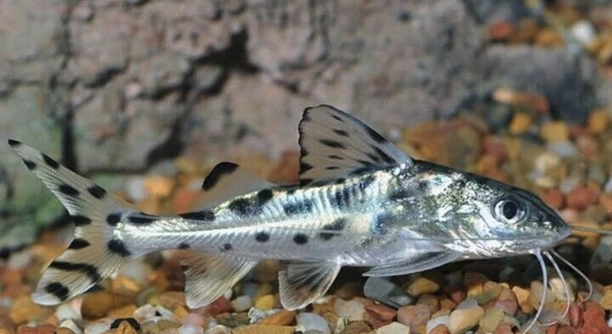
Have you ever added plants to your pictus catfish tank only to notice changes in behavior or water quality afterward?
Some plants can harm pictus catfish by affecting water parameters, reducing oxygen levels, or releasing toxins. Inappropriate choices may also disrupt their natural behaviors, hiding spots, or swimming space, leading to stress and poor health.
Even the prettiest plant might not be the right fit for your tank. Here’s what you should know before choosing.
Certain Plants Can Harm Water Quality
Some plants may seem harmless but can change your tank’s water quality in ways that stress pictus catfish. Plants that shed too much or rot quickly increase ammonia levels, making the water toxic. Pictus catfish are sensitive to these changes and may stop eating or hide more often. Also, floating plants that block too much light can reduce oxygen, especially at night when photosynthesis stops. These changes make the tank less stable and harder to manage. While live plants can be beautiful, not all are suited for an active tank. Choosing the wrong ones can create more maintenance and lead to fish health issues. Fast-growing plants may also overtake the tank, competing for nutrients and throwing off the balance. A good setup keeps the water clear and safe with minimal effort, and that starts with the right plant selection. Always monitor water levels when trying something new in the tank.
Rotting or fast-shedding plants may look pretty but can ruin tank stability. Watch for browning leaves and cloudy water.
Focus on hardy, slow-growing plants like Java fern or anubias, which are better suited to the high movement and feeding habits of pictus catfish. These require less trimming and don’t disrupt the water quality as much.
Dense Plants Can Reduce Swimming Space
Pictus catfish are active swimmers and need open space. Too many plants can restrict their natural movements.
Dense planting in the tank may look lush, but it often limits how freely your pictus catfish can move. These fish are known for darting around quickly, especially at night. Overcrowding with plants can lead to injuries or stress, as they may bump into stems or get stuck in tight areas. Plants with wide leaves or fast growth can block access to the bottom, where pictus spend most of their time. This creates frustration and may even trigger aggression or erratic swimming patterns. A good tank setup includes some hiding areas, but there should always be open stretches for swimming. Light coverage around the edges with more space in the center is ideal. Consider plant height, placement, and growth rate when designing your tank. This way, your fish can stay active and happy without feeling trapped by too much greenery.
Some Plants Can Be Sharp or Rigid
Plants with sharp edges or stiff leaves can injure pictus catfish, especially during their fast, active swimming. Torn fins and scratches can lead to infection or stress, which lowers their overall health over time.
Unlike slower fish, pictus catfish are fast and sometimes reckless swimmers. When plants with pointed leaves or rough stems are added, they can easily bump into them. This might not cause problems at first, but repeated contact can lead to visible injuries. Scratches on their skin, torn barbels, or frayed fins are signs the tank setup isn’t safe. These injuries heal slowly and may get infected in poor water conditions. Some common aquarium plants like Amazon sword or certain types of Vallisneria have rigid leaves that are better suited to tanks with slower fish. Choosing soft-leaved plants prevents injuries and keeps swimming safe. Smooth, flexible plants are always a safer choice for active species like pictus catfish.
If you’ve noticed your fish hiding more, swimming erratically, or showing signs of fin damage, rigid plants could be the reason. Injury-related stress can lead to poor appetite, increased hiding, and a weaker immune system. Avoid using plants that feel rough to the touch or grow sharp tips. Stick to plants with smooth textures and soft growth, such as water wisteria or hornwort. These move easily with the current and don’t pose the same risk of injury. Keeping their tank safe from physical hazards supports both activity and long-term health.
Certain Plants Attract or Host Pests
Some aquatic plants, especially those from unclean sources, may introduce snails or parasites. These unwanted guests often hide in dense foliage and spread quickly once in the tank. Pictus catfish may then suffer from irritation, disease, or stress.
Pests like bladder snails, planaria, or even certain aquatic worms can arrive hidden in store-bought plants. Once inside the tank, they multiply fast and are hard to remove without chemical treatments, which can be dangerous for pictus catfish. Some pests irritate the fish directly, while others upset the tank’s balance by overfeeding on leftover food or decaying matter. Pictus are sensitive to sudden changes and may respond with strange behavior, like rubbing against objects or avoiding certain areas of the tank. Always inspect and quarantine new plants for at least a week before adding them. Rinse thoroughly and remove dead leaves or visible pests. When possible, buy from reliable sources that certify pest-free stock.
Some Plants Demand High Light or CO₂
Plants that need strong lighting or added CO₂ can create unstable tank conditions. These setups require constant monitoring, and sudden changes may stress pictus catfish or affect water parameters more than the fish can tolerate.
Pictus catfish prefer dimmer environments. Intense lighting used for demanding plants can disrupt their natural behavior, making them hide more often.
Certain Plants Outgrow the Tank Quickly
Fast-growing plants can overcrowd a tank in just a few weeks. While they may help with filtration at first, they eventually block light, limit swimming space, and require constant trimming. This adds stress for both you and your fish. Large root systems may also disturb the substrate where pictus catfish forage.
Some Plants Release Toxins or Sap
A few plants, especially those not meant for underwater use, can release sap or harmful compounds. This affects water quality and may harm your pictus catfish directly. Always research each plant before adding it to your aquarium.
FAQ
Can I use floating plants in a pictus catfish tank?
Floating plants can be used, but only in moderation. They help reduce light and provide cover, which pictus catfish may appreciate. However, if they grow too dense, they block oxygen exchange at the surface and reduce circulation. This can lower oxygen levels, especially at night. Trim them often and avoid letting them cover the entire surface. Duckweed, for example, spreads very quickly and can be hard to manage. Water lettuce or frogbit are better choices if you keep them under control. Always balance plant growth with the needs of your fish and filtration system.
Which plants are safest for pictus catfish tanks?
Soft-leaved, slow-growing plants that don’t need strong light or CO₂ are best. Java fern, anubias, and hornwort are all safe options. These plants don’t overgrow, don’t damage fins, and don’t mess with water quality. You can attach them to driftwood or rocks instead of burying them in the substrate, which keeps things neat and gives your catfish space to move along the bottom. These plants also tolerate a wide range of water conditions, making them easier to care for alongside pictus catfish, which can be sensitive to changes.
How do I check if a plant is safe for my tank?
Research the plant before buying. Look for freshwater species that grow fully submerged. Avoid plants labeled as “semi-aquatic” or those sold for terrariums, as they often rot underwater. Also, read reviews and guides from aquarium hobbyists or reliable sources. If you’re not sure, place the plant in a quarantine tank first. Watch how it reacts over a week or two. Healthy leaves and strong stems are a good sign. Rotting, browning, or bad smells mean it isn’t safe. When in doubt, skip it. It’s better to use a known safe plant than take a risk.
Do pictus catfish need plants in their tank?
They don’t need plants, but having the right ones can help reduce stress and improve water quality. Pictus catfish mostly rely on hiding spaces and open swimming areas, so plants should be used carefully. Too many plants or the wrong type can do more harm than good. Instead of creating a planted tank, aim for a simple setup with just a few hardy plants around the edges or near hiding spots. Use driftwood, caves, or PVC tubes for shelter. This provides security while keeping the swimming area clear.
Can fake plants be used instead?
Yes, but they need to be soft and smooth. Hard plastic plants with sharp edges can injure pictus catfish as they swim quickly around the tank. Silk plants are a better choice. They give the same hiding effect without the risks of decay or chemical changes in the water. Just be sure to rinse them before placing them in the tank and clean them regularly to avoid buildup of algae or waste. Fake plants can be a good alternative when live plants are too hard to manage or if your water parameters are hard to control.
Why are my pictus catfish acting stressed after I added new plants?
They may be reacting to a change in light, water chemistry, or the space in the tank. Some plants release organics or alter oxygen levels slightly, which can be enough to trigger stress. If the plants are dense or placed in the middle of the tank, they may also block swimming space. Try moving the plants or removing a few to see if behavior improves. Always introduce changes slowly and monitor water parameters closely after adding something new. Pictus catfish are active and sensitive, so small changes can affect them more than expected.
How often should I trim or maintain plants in a pictus tank?
Maintenance depends on the plant, but in general, trimming once a week or every two weeks is enough. Remove dead leaves, thin out overgrowth, and keep open swimming space. If roots are spreading across the tank or stems are reaching the surface, it’s time to trim. Regular maintenance keeps water clear and prevents decay. For floating plants, scoop out extra growth to allow better light and air exchange. A little upkeep goes a long way in keeping both your plants and pictus catfish healthy.
Final Thoughts
Choosing the right plants for a pictus catfish tank is important. While live plants can make the tank look nice, not all of them are safe for your fish. Some can change water conditions, grow too fast, or take up too much space. Others may have sharp parts or carry pests that harm your fish. Pictus catfish are active swimmers that need space and stable water. Adding the wrong plants may stress them out or lead to health problems. It’s always best to take time to learn about each plant before adding it to the tank.
Soft, slow-growing plants are usually a better choice. They don’t require extra lighting or CO₂ and won’t take over the tank. Java fern, hornwort, and anubias are safe options that work well in most setups. If you want to try floating plants, just make sure they don’t block too much light or oxygen. Keep an eye on growth, remove dead leaves, and trim plants as needed. These small steps will help you maintain good water quality and give your pictus catfish the comfort they need. A simple, clean layout works best, with plenty of space for swimming and a few safe hiding spots.
You don’t need a heavily planted tank to keep your fish happy. In fact, too many plants can do more harm than good. It’s better to focus on a balanced tank with good filtration, stable water conditions, and a layout that matches your fish’s behavior. Every plant you add should serve a clear purpose and be safe for your fish. Whether you choose real or artificial plants, the goal is the same—keep the tank clean, safe, and stress-free. Making smart choices early on can save time and help your pictus catfish stay healthy for years.

Hello,
If you enjoy the content that we create, please consider saying a "Thank You!" by leaving a tip.
Every little bit helps us continue crafting quality advice that supports the health, happiness, and well-being of pets around the world, for pets of all shapes, sizes, and species.
We really appreciate the kindness and support that you show us!