
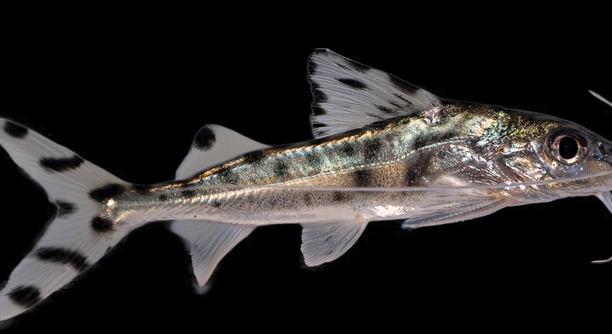
Pictus catfish are popular freshwater fish known for their active behavior and unique appearance. Many fishkeepers enjoy watching them swim and hunt for food in aquariums. Understanding how they find their food can improve care for these fish.
Pictus catfish have a strong sense of smell that helps them detect food in their environment. Their olfactory system is well-developed, allowing them to locate food even in murky water or low visibility conditions. This ability is essential for their survival in the wild and aquarium settings.
Knowing how pictus catfish use their senses to find food can help owners provide a better feeding experience. This information will also shed light on their natural habits and behaviors.
How Pictus Catfish Use Their Sense of Smell
Pictus catfish rely heavily on their sense of smell to find food, especially since they often feed at night or in dark, murky waters. Their nostrils contain olfactory receptors that detect chemical signals released by potential food sources. This allows them to track down prey such as small insects, crustaceans, and plant matter even when visibility is low. Unlike fish that depend mostly on sight, pictus catfish are adapted to environments where lighting conditions can be poor. Their keen sense of smell helps them survive and thrive by guiding them toward edible items. This also explains why they can find sinking pellets or frozen foods in an aquarium despite limited light.
The catfish’s sense of smell works alongside their barbels, which are also sensitive to touch and taste. Together, these senses help them identify and confirm food items.
By understanding this, aquarium owners can improve feeding techniques by choosing foods with strong scents that appeal to pictus catfish, ensuring they recognize and eagerly accept their meals.
Feeding Tips for Pictus Catfish
Pictus catfish respond best to foods that release strong scents in water. Sinking pellets, frozen bloodworms, and live foods are good options. Avoid foods that float on the surface because pictus catfish prefer to feed near the bottom.
Using scented or natural foods can encourage feeding and reduce stress during mealtime. Providing variety also helps keep them interested and healthy. Observing how they react to different foods can guide adjustments to their diet and feeding routine for optimal care.
Pictus Catfish and Their Barbels
Barbels are long, whisker-like structures around a pictus catfish’s mouth. These barbels contain taste buds and help the fish detect food in dark or murky water. They are very sensitive to touch and chemicals, allowing the catfish to explore its environment effectively.
The barbels work like extra sensory tools, helping the catfish find hidden or buried food in the substrate. They can “taste” the water around objects to confirm whether something is edible. This is especially helpful in low-light conditions where eyesight is limited. The barbels also help the fish avoid danger while searching for food.
Along with smell, the barbels give the pictus catfish a better chance of survival. They allow it to be more confident and efficient during feeding, which is why providing a soft substrate in the tank can improve their comfort and feeding habits.
Feeding Behavior and Environment
Pictus catfish are nocturnal feeders, meaning they are most active at night or during dim light. This behavior is linked to their reliance on smell and barbels rather than sight. They often search for food along the tank bottom, moving quickly to find anything edible.
In captivity, replicating these conditions can help encourage natural feeding habits. Low lighting or feeding at dusk can make pictus catfish more comfortable and willing to eat. They also prefer tanks with hiding places, which reduce stress and create a safer space for searching food.
Proper tank setup, including substrate type and lighting, is important for supporting their feeding style. Observing when and how they eat will help owners adjust care routines for better health and satisfaction.
How Smell Guides Feeding Decisions
Pictus catfish use their strong sense of smell to detect food from a distance. This helps them find meals even when visibility is poor or when food is hidden beneath substrate. Their olfactory ability is a key part of their feeding success.
This sense also helps them avoid harmful or spoiled food by recognizing unpleasant chemical signals. Smell acts as a first filter before the catfish uses other senses to confirm the food’s safety and appeal.
Improving Food Detection in Aquariums
Adding foods that release strong scents can make feeding easier for pictus catfish. Live or frozen options like bloodworms or brine shrimp often work well. Scented sinking pellets also attract their attention better than bland or floating foods.
Offering food in different areas of the tank encourages natural foraging behavior. Changing feeding spots keeps the fish engaged and stimulates their senses. These small adjustments can make feeding time more successful and less stressful for the catfish.
Signs Your Pictus Catfish Is Hungry
Pictus catfish become more active and explore the tank eagerly when hungry. They swim near the bottom and use their barbels to search for food. This behavior is a good signal to offer a meal.
How do pictus catfish find food in a tank?
Pictus catfish rely mostly on their sense of smell and their barbels to locate food in a tank. Their olfactory system detects chemicals released by food, even if it is buried under gravel or in murky water. The barbels act as sensory tools, helping them touch and taste objects to confirm if they are edible. Because of these strong senses, pictus catfish can find sinking pellets, frozen foods, and live prey easily, even when visibility is low. This natural ability means tank owners don’t need to worry about feeding from the surface, but they should ensure food reaches the bottom where the catfish prefer to feed.
Can pictus catfish smell spoiled or bad food?
Yes, pictus catfish can detect spoiled or bad food using their sense of smell. Their olfactory system is sensitive to chemical signals in the water that indicate decay or contamination. This helps them avoid eating harmful substances that could make them sick. If food starts to spoil or decomposes quickly in the aquarium, the catfish will usually ignore it. This natural filtering ability helps keep them healthy, but it also means owners need to remove uneaten food regularly to maintain water quality and prevent stress or illness.
What types of food do pictus catfish prefer based on smell?
Pictus catfish are attracted to foods that have strong natural scents. Live foods like bloodworms and brine shrimp release chemicals that easily catch their attention. Frozen or freeze-dried versions of these foods also work well because they retain some scent. Sinking pellets designed for bottom feeders often include ingredients that give off smell in water, which helps the catfish find them. On the other hand, bland or floating foods may be ignored since they do not release strong odors near the tank bottom. Choosing scented, natural foods encourages active feeding behavior and supports their health.
How often should I feed my pictus catfish?
Most adult pictus catfish should be fed once or twice daily, depending on their size and activity level. Overfeeding can cause leftover food to pollute the water, so feeding small amounts that they can consume in a few minutes is best. Juvenile catfish may require more frequent feedings because they grow quickly and need more nutrients. Watching their feeding behavior helps determine if the amount is right. If they finish quickly and appear eager for more, a slightly larger portion might be needed. Feeding too often or too much can harm their health and water quality.
Do pictus catfish eat plants or algae?
While pictus catfish mainly feed on animal-based foods, they may occasionally nibble on soft plants or algae. This is usually not a major part of their diet but can provide some variety. In the wild, they eat small invertebrates and detritus, which sometimes includes plant matter. In an aquarium, they are unlikely to damage healthy plants if properly fed. However, if food is scarce or they are stressed, they might nibble more on plants. Providing a balanced diet with enough protein helps reduce this behavior.
What should I do if my pictus catfish is not eating?
If a pictus catfish stops eating, it may be stressed, sick, or not recognizing the food. Checking water quality is important since poor conditions often affect appetite. Make sure temperature, pH, and ammonia levels are appropriate. Offering strongly scented foods like live or frozen bloodworms can stimulate feeding. Feeding at dusk or in dim lighting might help because they are naturally more active then. Also, ensure there are no aggressive tank mates scaring them away. If the fish continues to refuse food, consulting a vet or fish expert is recommended.
Can pictus catfish detect food by smell if it’s buried under substrate?
Yes, pictus catfish can detect buried food by smell. Their olfactory receptors pick up chemical cues in the water even when the food is hidden under gravel or sand. This ability allows them to forage naturally in tanks with substrate. Their barbels help them dig or move substrate to reach food. To support this behavior, it’s good to use a soft substrate like sand or smooth gravel. Feeding sinking pellets or placing frozen foods near the bottom lets the catfish use their natural skills to find meals.
How important is the sense of smell compared to other senses in pictus catfish?
The sense of smell is one of the most important for pictus catfish, especially in low-light environments where vision is limited. While their eyesight is decent, it is not their primary way to find food. Their barbels add a sense of touch and taste, but smell remains key for detecting food chemicals at a distance. This combination of senses allows them to be efficient bottom feeders and nocturnal hunters. Providing foods that appeal to their smell encourages natural feeding and helps maintain their health and well-being.
Pictus catfish have a strong sense of smell that plays a major role in how they find food. This ability helps them survive in the wild where water can be dark or murky. In an aquarium, their sense of smell works together with their sensitive barbels to locate food on the tank bottom. Because of this, these fish can find sinking pellets, frozen foods, and live prey even when they cannot see very well. Knowing how pictus catfish use their senses can help owners provide better care by choosing the right types of food and feeding methods.
Feeding pictus catfish foods that release strong scents is important because it matches how they naturally hunt. Live and frozen foods like bloodworms or brine shrimp work well because they give off smells that the fish can detect easily. Sinking pellets designed for bottom feeders are also a good choice, as they reach the areas where pictus catfish look for food. Avoiding floating or bland foods helps prevent the fish from ignoring their meals. Also, feeding at times when the fish are more active, such as in low light, supports their natural feeding habits and reduces stress.
Creating a tank environment that suits pictus catfish feeding behavior is key to their health. Soft substrates like sand allow them to use their barbels comfortably while searching for food. Providing hiding spots and keeping water quality stable helps reduce stress and encourages normal feeding. Watching the fish’s behavior, such as increased activity or searching movements, can signal hunger and help owners adjust feeding amounts. Overall, understanding the role of smell and barbels in feeding can improve the care and happiness of pictus catfish in home aquariums.

Hello,
If you enjoy the content that we create, please consider saying a "Thank You!" by leaving a tip.
Every little bit helps us continue crafting quality advice that supports the health, happiness, and well-being of pets around the world, for pets of all shapes, sizes, and species.
We really appreciate the kindness and support that you show us!