
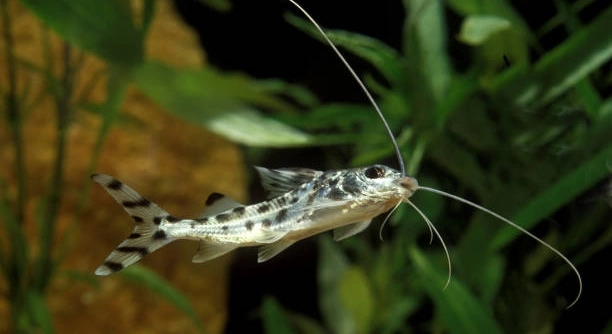
Pictus catfish are popular freshwater fish known for their long, sensitive barbels. These barbels help them explore their environment and find food. Losing barbels can be a concern for many fish owners.
When pictus catfish lose their barbels, their ability to sense food and navigate their surroundings is significantly reduced. This can lead to difficulty feeding and increased stress, which may impact their overall health and behavior in the aquarium.
Understanding the effects of barbel loss is important for maintaining a healthy fish. This article will explain what happens and how to care for pictus catfish without their barbels.
How Barbels Help Pictus Catfish
Barbels are long, whisker-like organs that pictus catfish use to sense their environment. They contain taste buds and sensory cells that allow the fish to find food in dark or murky water. Without these barbels, the catfish lose a key way to detect where food is located. This can make feeding more difficult, especially in tanks with many hiding spots or little light. Barbels also help the fish avoid obstacles and predators by sensing movement around them. Losing barbels may make the catfish more cautious or stressed because it cannot explore as confidently. Over time, the fish may need more time to adjust to the change in its sensory abilities. Tank conditions like water quality and hiding spaces become more important when barbels are missing, to help the fish feel secure and safe.
Without barbels, pictus catfish rely more on their eyesight and other senses, which are less sensitive.
Proper tank setup and feeding routines can help pictus catfish live comfortably even after losing their barbels.
Causes of Barbel Loss
Barbel damage or loss can happen due to injury, infections, or poor water conditions. Sometimes, the fish may injure their barbels by scraping against sharp decorations or tank walls. Bacterial or fungal infections can also cause barbels to decay or fall off. Poor water quality stresses the fish and makes infections more likely. Barbel loss may also result from aggressive tank mates that nip or attack the barbels. It is important to regularly check water parameters like ammonia and nitrate levels and perform cleanings to prevent health problems. Quarantining new fish can reduce the risk of introducing diseases. Providing smooth tank decorations and hiding spots helps reduce injury risks. If barbels are damaged, treating the tank and monitoring the fish closely can support healing and prevent further loss.
Keeping the tank clean and safe is the best way to prevent barbel problems.
In cases where barbels are lost, taking quick action is essential to avoid infections and help the catfish recover. Keeping stress low by maintaining good water quality and avoiding aggressive tank mates will improve the fish’s chances of healing. Feeding soft or sinking foods close to the fish will support its ability to eat despite sensory loss. Monitoring behavior for signs of distress or reduced appetite can help catch problems early. Some fish may grow back barbels over time if the conditions are right, but others may not fully recover. Understanding the causes behind barbel loss allows caretakers to improve tank care and reduce future risks, ensuring the pictus catfish remains as healthy and comfortable as possible.
Caring for Pictus Catfish Without Barbels
Pictus catfish without barbels need gentle care to help them adjust. Providing a calm environment with low stress is important.
Feeding becomes more challenging when barbels are lost. Offering sinking pellets or soft foods near the fish helps them find meals more easily. Avoid fast-moving or floating foods that may be hard to detect. Regular feeding schedules give the fish time to adapt to their new sensory limitations.
Tank setup matters more for barbel-less pictus catfish. Use smooth decorations to avoid injury and plenty of hiding spots to reduce stress. Keeping water clean and stable supports their overall health. Watching their behavior closely will help catch any issues early.
Monitoring Health and Behavior
Pictus catfish without barbels may show changes in activity or appetite. Watching for signs of stress or illness is critical.
If a fish becomes lethargic or stops eating, this may indicate a problem. Maintain ideal water conditions and treat infections promptly. Stress from barbel loss can make them more vulnerable to diseases. Regular observation and timely intervention will help the fish stay healthy and comfortable despite their sensory loss.
Preventing Barbel Damage
Avoid sharp or rough decorations that can injure barbels. Smooth surfaces help protect sensitive barbels from damage.
Keep aggressive tank mates separate. Fish that nip or chase can cause barbel injury or loss, so peaceful community tanks work best.
Barbel Regrowth Possibility
Pictus catfish can sometimes regrow lost barbels, but this depends on the severity of the injury and overall health. Good water quality, proper nutrition, and low stress increase the chance of regrowth. If infections or severe damage occur, regrowth may not happen, so prevention is key.
When to Seek Veterinary Help
If barbels show signs of infection, such as redness, swelling, or decay, prompt veterinary advice is important. Early treatment can prevent worsening conditions and support recovery.
FAQ
Can pictus catfish survive without their barbels?
Yes, pictus catfish can survive without their barbels, but they may face challenges. Barbels are essential for sensing food and navigating their environment. Without them, the fish might have trouble finding food and feel more stressed. Proper care, feeding adjustments, and a safe tank environment are necessary to support their well-being.
How long does it take for pictus catfish to heal after losing barbels?
Healing time varies depending on the cause of barbel loss and tank conditions. If the loss is due to injury or infection, recovery might take a few weeks with good care. Sometimes, barbels can regrow slowly if the fish stays healthy and the water quality remains high. Otherwise, healing may be limited to wound closure without regrowth.
What should I feed a pictus catfish without barbels?
Feeding sinking pellets or soft foods near the fish helps since they can’t sense food as well without barbels. Avoid floating flakes or fast-moving foods. Regular, small feedings improve chances the fish finds enough to eat. Observing the fish’s feeding behavior can guide changes to diet and feeding method.
Can barbel loss cause other health problems?
Yes, losing barbels can increase stress and vulnerability to infections. Barbels have sensory and protective functions, so their loss may weaken the fish’s ability to avoid harmful conditions or fight off disease. Maintaining clean water and a calm tank environment reduces the risk of secondary health issues.
How can I prevent barbel damage in the future?
Prevent barbel damage by avoiding rough decorations and sharp objects in the tank. Use smooth surfaces and provide plenty of hiding spots. Keep aggressive fish separate to avoid nipping. Regular tank maintenance and water testing help prevent infections that may cause barbel loss.
Will pictus catfish behave differently without barbels?
They may become more cautious or less active because they rely less on sensory input. The fish might spend more time hiding or move more slowly. Some may appear stressed or eat less. Watching their behavior closely helps ensure they adjust well and receive proper care.
Is barbel loss painful for pictus catfish?
Barbel injury can cause discomfort and stress, especially if infection occurs. However, pictus catfish are resilient and can adapt over time. Providing a gentle environment and proper care helps minimize pain and supports recovery.
Are there any signs to watch for that indicate barbel problems?
Signs include torn or missing barbels, redness, swelling, or decay at the barbel base. The fish may also stop eating or act unusually shy or restless. Early detection allows for quicker treatment and better outcomes.
Can other fish cause barbel damage?
Yes, fish that nip or are territorial may bite or damage barbels. Avoid mixing pictus catfish with aggressive or fin-nipping species. Choosing peaceful tank mates helps prevent barbel injuries and reduces stress.
Is it possible to treat barbel infections at home?
Mild infections can sometimes be treated with antibacterial or antifungal medications designed for aquarium use. However, if symptoms worsen or don’t improve, professional advice is recommended. Maintaining clean water and good tank hygiene supports healing and prevents infections.
Caring for pictus catfish that have lost their barbels requires patience and attention. Barbels play an important role in helping these fish find food and feel safe in their environment. Without them, the fish may struggle more with feeding and become stressed. It is important to make small changes in how you care for them, such as offering sinking food close by and keeping the tank clean and calm. These adjustments can make a big difference in how comfortable your catfish feels and how well it can cope without its barbels.
Maintaining good water quality and a safe tank setup is key to helping a pictus catfish recover from barbel loss. Sharp decorations or aggressive tank mates can cause injury or worsen existing damage, so it is important to remove or avoid these risks. Providing hiding spots helps the fish feel more secure, especially since it may feel more vulnerable without its sensitive barbels. Regular observation is also necessary to catch any signs of infection or illness early. Early treatment and careful care improve the chances of healing and can sometimes help barbels regrow, although this is not guaranteed.
Understanding the challenges that come with barbel loss allows you to be a more responsible caretaker. While the fish may not be able to use its usual senses fully, it can still live a comfortable life with proper support. Your attention to diet, tank conditions, and health monitoring will help your pictus catfish adapt and thrive despite the loss. With patience and good care, these fish can continue to be a fascinating and enjoyable part of your aquarium.

Hello,
If you enjoy the content that we create, please consider saying a "Thank You!" by leaving a tip.
Every little bit helps us continue crafting quality advice that supports the health, happiness, and well-being of pets around the world, for pets of all shapes, sizes, and species.
We really appreciate the kindness and support that you show us!