
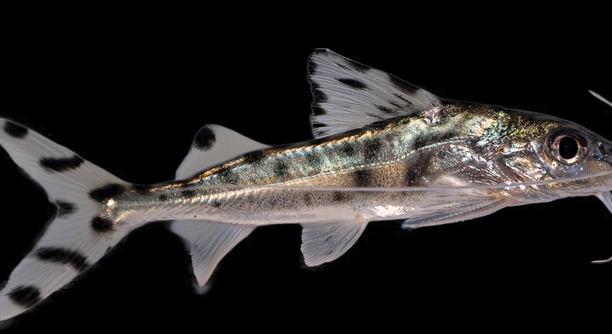
Have you ever set up a tank for your pictus catfish and noticed them acting oddly around strong bubblers or fast water flow?
Pictus catfish can tolerate strong bubblers, but they prefer moderate water movement. Extremely strong currents may cause stress or lead to excessive hiding. Ensuring well-oxygenated water without overwhelming flow supports healthier behavior and overall well-being.
Understanding their natural habitat and how they respond to movement in the water can help you create a space where they feel safe and thrive.
Understanding Water Flow and Pictus Catfish Needs
Pictus catfish come from rivers in South America, where the water moves steadily but isn’t always rushing. In a home aquarium, they do best with moderate water flow that allows them to swim comfortably without being pushed around. Strong bubblers can provide needed oxygen, but if the flow becomes too aggressive, it may overwhelm them. These fish are active swimmers, and while they enjoy movement, they still need calm areas to rest. It’s important to watch their behavior—if they’re constantly hiding or sticking close to the bottom, the current might be too strong for their liking. You don’t have to remove all strong bubblers, but you might want to reposition them or use diffusers to soften the flow. Creating a balanced environment with a mix of movement and shelter helps reduce stress and supports better health.
Watch for signs like frantic swimming or excessive hiding to spot any water flow issues early on.
A good setup includes smooth rocks, driftwood, and some plants to help break the current and give your pictus catfish more control over where they swim. These features help them stay active without tiring too quickly. Observing how they move through the tank gives useful clues about what changes might be needed.
Adjusting Bubblers for the Right Balance
If your pictus catfish are avoiding certain areas, it may be due to strong bubbles or high current levels near those spots.
To fix this, try adjusting the placement or angle of the bubbler to reduce direct force in the tank. Using sponge filters or air stones with a valve to control airflow can also help you create gentler movement without removing oxygen. You can place decorations or tall plants near the bubbler to naturally slow the flow. It’s not about eliminating movement, but making sure it’s not too forceful. Pictus catfish need oxygen-rich water, but they shouldn’t have to fight against the current all the time. Also, consider the tank size—larger tanks can spread the flow better, while smaller ones may concentrate it. If you’re unsure, test different placements and observe how your fish behave. Once you find a setup where they explore the tank more freely and show fewer signs of stress, you’re likely on the right track. Balanced flow keeps them active, healthy, and more visible in your tank.
Watching Behavior and Making Small Changes
Pictus catfish are active, but if they stay in one corner or under decorations all day, something may be off with the flow. Small changes to the bubbler setup can make a big difference.
Start by observing their swimming patterns. If they seem to struggle against the current or avoid open areas, try turning down the air pump slightly or moving the bubbler to a different spot. Place tank decor like driftwood or large rocks to break up the flow and give calmer zones. These fish do enjoy movement, but too much can wear them out or cause them to stay hidden. Even small tweaks in bubbler position or output can help create a better balance. After making changes, give it a few days and observe again. Active, smooth swimming in different parts of the tank is usually a good sign.
Tank layout also plays a big role. If the space is too open, strong water flow becomes harder to manage. Adding plants or decorations can give your catfish better options. Try to set up the tank so there are areas with steady movement and others that are calmer. They’ll pick their preferred spots naturally. Keep the lighting moderate and avoid sudden water disturbances during feeding or cleaning. These fish are sensitive to changes, so make adjustments slowly. When your setup allows them to swim around without stress and settle when needed, you’ll notice more natural behavior and less hiding. Even a few simple layout changes can create a better space for them.
Oxygen Needs Without Overdoing It
Pictus catfish need well-oxygenated water to stay healthy, but that doesn’t mean blasting bubbles across the tank. It’s more about maintaining stable oxygen levels through gentle water movement.
Air stones, sponge filters, and adjustable air pumps can all help oxygenate your tank without making it too intense. These tools are easy to manage and work well in most setups. Strong water flow isn’t always better—too much can disrupt feeding, raise stress levels, or push the fish around. Instead of focusing only on bubbles, look at overall water quality. Keep up with regular water changes, and check the temperature and filtration. Warmer water holds less oxygen, so in warmer tanks, you might need to increase surface agitation slightly. Adding a surface skimmer or using a spray bar from your filter can also improve oxygen without causing too much movement. It’s all about giving your pictus catfish what they need without overwhelming them.
Signs Your Catfish Might Be Stressed
If your pictus catfish hides constantly, darts around the tank, or shows pale coloring, it may be reacting to too much water flow. These signs can show up quickly when the environment feels uncomfortable or overwhelming.
Another common sign is reduced feeding or avoiding the bubbler area completely. Watch closely after feeding time to see how they move.
When to Reduce the Bubbles
If your catfish stops swimming in open areas or avoids parts of the tank with strong bubbles, it’s time to make changes. Start by lowering the air pump’s output or using a valve to reduce flow. You can also swap in a gentler air stone. Try spreading out the equipment too—placing filters or bubblers near decorations or tall plants can help redirect the water flow. Don’t be afraid to test small adjustments until the fish show more relaxed behavior. Healthy, comfortable catfish will explore the tank with smooth movements, rest openly, and stay more visible. It doesn’t take much to bring that balance back.
What to Do After Adjusting
After making changes, give your fish a few days to adjust. Look for more active swimming and less hiding.
FAQ
Can pictus catfish live with strong bubblers long-term?
Pictus catfish can handle moderate to strong bubblers if the tank has calm areas. They’re built for movement but not constant force. Long-term exposure to intense flow may lead to stress, hiding, or reduced activity. To keep them comfortable, balance the tank with decorations, plants, or driftwood that break up the current. If they swim normally, explore the tank, and eat without issue, the bubbler is likely fine. But if they stay in one spot or avoid areas, adjustments may be needed. Over time, even small stressors can affect their health, so it’s best to observe regularly.
Do pictus catfish like a lot of oxygen in the water?
Yes, pictus catfish need oxygen-rich water to stay healthy. They are active swimmers and use a lot of energy, so keeping oxygen levels high is important. This doesn’t mean you need powerful bubbles across the whole tank. Instead, focus on surface movement and good filtration. Using a sponge filter, spray bar, or gentle air stone can help keep the oxygen stable without overwhelming the fish. Warmer water can reduce oxygen levels, so during hot seasons or in warmer tanks, surface agitation becomes even more important. Regular water changes also help maintain oxygen and water quality.
How can I tell if the water current is too strong?
Watch your catfish closely. If they struggle to swim forward, are always hiding behind decor, or stay in corners away from flow, it may be too strong. They should swim smoothly across the tank and rest comfortably at times. If they’re constantly fighting the current or seem stressed, try adjusting the bubbler’s strength or direction. Adding more hiding spots can also help break up the current and give them control over where they want to be. Signs like refusal to eat or frantic movements are also worth noting—they often point to something needing change.
What kind of bubbler is best for pictus catfish?
The best bubbler is one that creates steady oxygen flow without strong, direct currents. Air stones with adjustable valves are a good option because you can control how much air goes into the tank. Sponge filters are another gentle and reliable choice. They oxygenate the tank and help with filtration, all without strong force. Avoid bubblers that shoot strong vertical streams unless they’re placed in a way that doesn’t disturb the entire tank. It’s more important to keep the water oxygenated than to create visible bubbles everywhere. Focus on calm, consistent movement.
How often should I change the tank setup to help with flow?
You don’t need to change the tank often. Once the flow is balanced and your fish are active and calm, you can leave the layout as is. If you notice changes in behavior, though—like more hiding or less movement—small adjustments may help. Sometimes plants grow or decor shifts slightly, changing the flow. Check the tank during regular maintenance to make sure everything’s still working well. It’s not about constantly changing things, but making sure the environment stays steady and comfortable. When in doubt, a small change is better than a sudden big one.
Can I use two bubblers in the same tank?
Yes, you can use two bubblers if your tank is large enough. This can help spread oxygen more evenly and avoid strong concentration in one area. Just be sure they’re placed in a way that doesn’t create too much turbulence. For example, placing one on each side and lowering the output on both can help create a balanced flow. Watch how your catfish react—if they use the whole tank and swim freely, the setup is probably working well. Always test adjustments slowly, especially when increasing air flow from multiple sources.
Should I turn off the bubbler at night?
It’s better to leave the bubbler on at night. Oxygen levels can drop when lights go off and plants stop photosynthesizing. The bubbler helps maintain oxygen levels when other sources slow down. If the noise is a concern, consider using a quieter air pump or placing the tank in a spot where the sound won’t be disruptive. Pictus catfish are mostly active at night, so consistent oxygen and water movement are helpful while they’re exploring. Keeping the bubbler on provides stability and supports their natural rhythm.
Can other fish in the tank be affected by strong bubblers too?
Yes, other fish may also react to strong water flow. Some species prefer calm water and may hide or become stressed if the current is too much. If you’re keeping pictus catfish with other fish, make sure the tank setup suits everyone. Community tanks often require more careful planning to keep flow, temperature, and oxygen levels suitable for all species. Watch all your fish during and after any adjustments. If multiple species show signs of discomfort, you may need to reduce the flow or rearrange the setup to meet everyone’s needs.
Are there signs of too little flow in the tank?
Yes, too little flow can cause low oxygen levels, dirty spots in the substrate, and sluggish behavior in your catfish. You might notice debris collecting in corners or the surface looking still. Pictus catfish may seem less active or breathe faster. If that happens, increase the air flow slightly or improve surface movement. A good balance means clean water, visible surface ripples, and active swimming. You don’t want strong pressure, just steady, smooth movement across the tank. Testing and small adjustments go a long way toward creating a healthy tank for your catfish.
Final Thoughts
Keeping pictus catfish healthy and comfortable means paying attention to how the water moves in their tank. While they are active fish that enjoy a bit of flow, too much current can make them feel stressed or tired. Strong bubblers aren’t always harmful, but their strength and placement matter. These fish need oxygen-rich water, but not at the cost of peace and comfort. Watching their behavior is one of the easiest ways to know if changes are needed. If they are hiding more, swimming less, or staying away from certain areas, the water flow may be too strong. A few small changes to your setup can make a big difference in how they feel.
Using air stones, sponge filters, or adjustable pumps helps you control how much movement your tank has. Decorations like driftwood, rocks, and tall plants are helpful too, since they break up the current and give your fish calm areas to rest. Balance is key. You want enough oxygen for your pictus catfish to stay active and healthy, but not so much force that they avoid swimming. Every tank is a little different, depending on its size, layout, and equipment. That’s why it’s helpful to test changes one at a time and observe how your fish respond. When they are swimming smoothly, exploring freely, and eating well, it’s a good sign that the flow is right for them.
Taking the time to adjust your bubbler and layout shows care for your fish. It doesn’t have to be complicated. Most of the time, small steps like moving the bubbler or lowering the air pump’s power are enough. The goal is to create a tank where your pictus catfish can be both active and calm. When the flow is balanced, the fish will show more natural behavior, and the tank will be easier to maintain. Clean water, good oxygen, and steady movement support long-term health. In the end, paying attention to your pictus catfish and making gentle adjustments as needed is the best way to make sure they thrive in their home.

Hello,
If you enjoy the content that we create, please consider saying a "Thank You!" by leaving a tip.
Every little bit helps us continue crafting quality advice that supports the health, happiness, and well-being of pets around the world, for pets of all shapes, sizes, and species.
We really appreciate the kindness and support that you show us!