
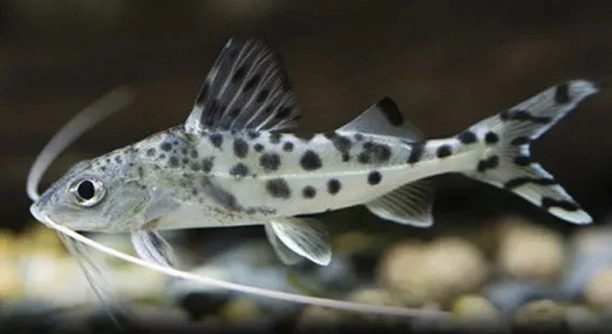
Pictus catfish are popular freshwater fish known for their active behavior and unique appearance. Like any pet, they can get sick, showing different signs when unwell. Knowing how they behave during illness helps keep them healthy and comfortable.
When pictus catfish are sick, they often become less active, hide more frequently, and may lose their appetite. Physical signs such as clamped fins, discoloration, or labored breathing can also appear. These symptoms indicate stress or disease needing prompt attention.
Recognizing these changes early allows you to take better care of your fish and improve their chances of recovery.
Common Signs of Illness in Pictus Catfish
When pictus catfish are sick, they often show clear changes in behavior and appearance. They may stop swimming actively and prefer to stay at the bottom or hide in corners. Loss of appetite is another common sign, where the fish ignores food or eats much less than usual. Physical changes like faded colors, clamped fins, or white spots on their body can also be indicators. Breathing might become heavy or rapid, and sometimes the fish rubs against objects in the tank. Observing these signs early is important because it helps you act quickly to prevent the illness from worsening. Regular tank maintenance and water testing can reduce the chance of your catfish getting sick in the first place.
Keeping an eye on these symptoms gives you a good chance to spot illness before it becomes serious. Early detection is key to successful treatment.
Many health issues in pictus catfish come from poor water quality or stress. Maintaining stable water conditions with proper filtration, temperature, and regular changes keeps your fish healthy. Stress factors such as overcrowding, incompatible tank mates, or sudden changes in environment can weaken their immune system. Feeding a balanced diet also supports their well-being. If symptoms appear, isolating the affected fish in a separate tank can help prevent disease spread. Consult a vet or experienced aquarist for advice on medication or treatment. Prompt attention improves recovery chances and keeps your aquarium thriving.
How to Help Your Sick Pictus Catfish Recover
Proper care is essential when helping your pictus catfish recover from illness. The first step is improving water quality by testing for ammonia, nitrites, and nitrates and performing partial water changes if needed. Maintaining stable temperature and clean surroundings reduces stress. Offering easily digestible, high-quality food encourages eating. Avoid overfeeding to prevent water contamination. If you notice physical symptoms like spots or fungus, medicated treatments designed for freshwater fish may be necessary. Be sure to follow instructions carefully to avoid harming your fish. Keeping the sick fish in a quarantine tank during treatment protects other tank mates. Patience and consistent care are important because recovery can take time, depending on the illness severity. Monitoring your fish daily helps track improvement and ensures timely adjustments to care.
Recovery requires careful attention to both the fish’s environment and health needs. Consistency in care supports a full and healthy recovery.
Preventing Illness in Pictus Catfish
Maintaining clean water is the most important step in preventing illness. Regular water tests and changes keep harmful chemicals low and the environment stable. Avoid overcrowding and feed a balanced diet to reduce stress.
Consistent tank maintenance plays a crucial role in keeping your pictus catfish healthy. Testing water parameters like ammonia, nitrites, and pH regularly helps catch potential problems early. Performing partial water changes weekly removes waste and maintains water quality. Keeping the tank at a steady temperature suitable for pictus catfish reduces stress. Providing a varied diet with quality flakes, pellets, and occasional live or frozen foods supports their immune system. Avoid overfeeding, which can pollute the water. Observing tank mates carefully prevents aggression and stress. Together, these steps create a healthy environment that limits the chances of illness.
Stress is a common trigger for health problems in pictus catfish. Changes in environment, poor water quality, or aggressive tank mates can weaken their immune system. Keeping conditions stable and peaceful helps them stay strong and active.
Recognizing When to Seek Professional Help
If your pictus catfish’s symptoms persist or worsen despite your care, professional advice is necessary. A vet or experienced aquarist can diagnose complex illnesses and recommend treatments that are safe and effective.
Some illnesses require specialized medications or interventions that are hard to manage at home. Persistent symptoms like severe lethargy, constant hiding, or visible wounds signal the need for expert help. Early consultation can prevent complications and improve recovery chances. Keep a record of your fish’s behavior and symptoms to share with the professional for a more accurate diagnosis. Professional guidance ensures the right care, avoiding trial-and-error treatments that might harm your fish or prolong illness. This step is crucial to protect your catfish and maintain a healthy tank environment.
Common Treatments for Sick Pictus Catfish
Treatments vary depending on the illness but often include improving water quality and adding medication. Salt baths or antibacterial treatments are commonly used for infections.
Medications must be chosen carefully to suit the specific disease. Overuse or wrong treatments can stress or harm the fish further. Always follow instructions and monitor the fish’s response closely.
Importance of Quarantine Tanks
Quarantine tanks help isolate sick fish to prevent spreading disease. They also provide a controlled environment for treatment without disturbing the main tank.
Signs of Stress in Pictus Catfish
Stress can weaken pictus catfish and lead to illness. Signs include rapid breathing, erratic swimming, and hiding more than usual. Recognizing stress early helps in preventing disease.
FAQ
How can I tell if my pictus catfish is sick?
Look for changes in behavior such as reduced activity, hiding, or loss of appetite. Physical signs like clamped fins, faded colors, white spots, or labored breathing also suggest illness. Early detection helps improve treatment success.
What causes illness in pictus catfish?
Illness often results from poor water quality, stress, or infections. Ammonia or nitrite spikes, overcrowding, incompatible tank mates, and sudden environment changes weaken their immune system and make them more vulnerable to disease.
Can I treat my pictus catfish at home?
Yes, minor issues can sometimes be treated by improving water quality, adjusting temperature, and offering high-quality food. For infections, specific medications like antibacterial or antifungal treatments may be necessary. Follow instructions carefully and observe the fish closely.
When should I seek professional help?
If symptoms persist or worsen despite your care, or if the fish shows severe lethargy, constant hiding, or visible wounds, professional advice is needed. A vet or experienced aquarist can provide a proper diagnosis and safe treatment options.
Is quarantine necessary for sick pictus catfish?
Yes, quarantining sick fish prevents the spread of disease to healthy tank mates. It also provides a controlled space for treatment, reducing stress and increasing the chances of recovery.
What is the best way to maintain water quality?
Test water parameters regularly, especially ammonia, nitrites, nitrates, and pH. Perform partial water changes weekly and avoid overfeeding. Use a good filtration system and keep the tank clean to create a stable environment.
How does stress affect pictus catfish health?
Stress lowers the immune system, making fish more prone to infections. Causes include poor water quality, overcrowding, aggressive tank mates, and sudden changes in lighting or temperature. Reducing stress factors helps prevent illness.
Can diet improve my pictus catfish’s health?
A balanced diet with quality flakes, pellets, and occasional live or frozen foods supports immune function. Avoid overfeeding to prevent water pollution, which can lead to health problems.
Are salt baths effective for treating pictus catfish?
Salt baths can help treat certain external infections and parasites. Use aquarium salt as directed and avoid overdosing. Salt treatments should be done carefully to avoid stressing the fish.
How long does it take for a sick pictus catfish to recover?
Recovery time varies depending on the illness and treatment. Minor issues may resolve within days, while serious infections can take weeks. Consistent care and monitoring are essential throughout recovery.
Can changes in tank temperature make pictus catfish sick?
Yes, sudden or extreme temperature changes stress the fish and weaken their immune system. Keep the water temperature stable, ideally between 74-79°F (23-26°C), to support their health.
What are signs of common diseases in pictus catfish?
Common diseases show symptoms like white spots (ich), fungal growth, ulcers, fin rot, or swelling. Behavioral changes like lethargy and loss of appetite often accompany these signs.
How can I prevent disease in my aquarium?
Regular tank cleaning, stable water parameters, avoiding overcrowding, and quarantining new fish before introduction all reduce the risk of disease. A good diet and stress management also help keep fish healthy.
Can stress cause physical changes in pictus catfish?
Yes, stress can cause faded colors, clamped fins, and weakened immune responses, making fish more vulnerable to infection.
What should I do if my pictus catfish stops eating?
Check water quality and tank conditions first. Offer varied foods like live or frozen options. If the fish continues to refuse food for more than a couple of days, consider consulting a professional as this may indicate illness.
Taking care of pictus catfish requires paying close attention to their behavior and environment. When these fish get sick, they often show clear signs that something is wrong. Changes such as hiding more, being less active, or losing their appetite are important to notice. Physical symptoms like faded colors, clamped fins, or difficulty breathing also indicate illness. Recognizing these signs early allows for quicker action, which can improve the fish’s chances of getting better. Keeping their tank clean and stable is the best way to prevent many health problems.
Maintaining proper water quality is essential for the health of pictus catfish. Regularly testing for ammonia, nitrites, nitrates, and pH helps catch issues before they become serious. Performing weekly partial water changes keeps the tank environment safe and comfortable. Temperature stability is also important, as sudden changes can stress the fish and make them more vulnerable to disease. Feeding a balanced diet with good-quality food supports their immune system. Avoiding overcrowding and aggressive tank mates helps reduce stress, which plays a big role in overall health. Together, these care habits create a supportive environment for pictus catfish to thrive.
If a pictus catfish becomes sick, treatment often starts with improving tank conditions and, if necessary, using appropriate medication. Quarantine tanks can be very useful for isolating sick fish to prevent spreading disease and provide a calm space for recovery. Sometimes, professional advice is needed to diagnose and treat complex illnesses properly. Patience and consistent care are key during recovery, as healing can take time. By staying observant and providing proper care, it is possible to help pictus catfish recover and enjoy a healthy, active life in the aquarium.

Hello,
If you enjoy the content that we create, please consider saying a "Thank You!" by leaving a tip.
Every little bit helps us continue crafting quality advice that supports the health, happiness, and well-being of pets around the world, for pets of all shapes, sizes, and species.
We really appreciate the kindness and support that you show us!