
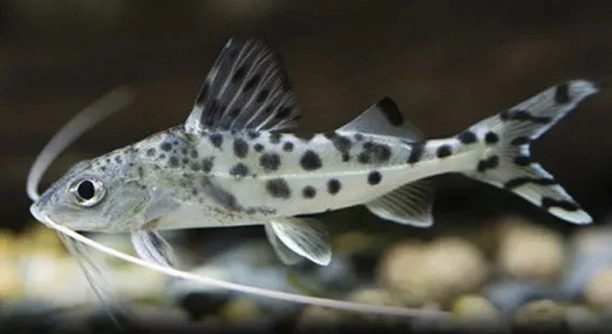
Cloudy eyes in Pictus catfish are a common concern for many aquarium enthusiasts. This condition can affect the fish’s appearance and overall health, making it important to understand the underlying causes. Recognizing these causes early helps maintain a healthy environment for your fish.
The main causes of cloudy eyes in Pictus catfish include poor water quality, bacterial or fungal infections, eye injuries, nutritional deficiencies, parasitic infestations, improper tank conditions, and stress. Each factor impacts the fish’s eye health differently and requires specific attention to prevent worsening.
Identifying these causes allows you to take proper steps to protect your catfish and promote clear, healthy eyes. Understanding the root issues will improve their well-being and your enjoyment of the aquarium.
Poor Water Quality
Poor water quality is one of the leading reasons for cloudy eyes in Pictus catfish. High levels of ammonia, nitrites, or nitrates can irritate their eyes, causing cloudiness. Overfeeding and insufficient filtration contribute to these harmful conditions. Regular water changes and proper filtration help maintain a clean environment. It’s important to test the water frequently to catch any imbalances early. Sudden changes in water parameters can also stress the fish and impact their eye health. Using water conditioners can help reduce toxins. Keeping the tank clean and avoiding overcrowding are essential steps to prevent cloudy eyes caused by water issues.
Maintaining stable and clean water conditions is critical to prevent eye problems in Pictus catfish.
Monitoring water parameters and performing consistent maintenance will keep your tank healthy and your fish comfortable. This not only prevents cloudy eyes but also promotes their overall health and longevity. Good water quality reduces stress and susceptibility to infections, which are common triggers for eye problems. It’s best to establish a regular cleaning schedule and test the water with reliable kits. This proactive approach ensures a safe habitat for your catfish, keeping their eyes clear and bright. Remember, a healthy tank supports healthy fish.
Eye Injuries
Eye injuries often happen due to rough tank decorations or aggressive tank mates. Sharp objects like rocks or driftwood can scratch the eyes of Pictus catfish. These injuries can lead to infections and cloudiness if untreated. It’s important to create a safe environment by smoothing sharp edges and avoiding overcrowding. Keep an eye on the fish’s behavior to catch any signs of damage early.
Physical damage to the eyes can cause long-term cloudiness if not addressed promptly.
Treating eye injuries involves isolating the affected fish and maintaining excellent water quality to support healing. Adding antibacterial medications as recommended can prevent infections. Observing the fish during recovery ensures no further damage occurs. Removing aggressive fish reduces the risk of repeated injuries. Providing a tank with gentle decorations and plenty of hiding spots lowers stress and protects the fish from harm. This careful care helps restore clear vision and prevents complications.
Bacterial and Fungal Infections
Bacterial and fungal infections are common causes of cloudy eyes in Pictus catfish. These infections often develop after injuries or in poor water conditions. Treating infections early is crucial to avoid permanent damage.
Infections can spread quickly in aquariums, especially when water quality is poor or the fish’s immune system is weakened. Symptoms may include redness, swelling, and cloudiness in the eyes. Medications like antibacterial or antifungal treatments can help, but water conditions must also be improved. Isolation of infected fish reduces the risk of spreading. Keeping the tank clean and stable supports recovery and prevents infections from taking hold.
Proper diagnosis is important to choose the right medication. Overusing antibiotics can cause resistance and worsen the problem. Observing other fish for signs of infection helps protect the whole tank. Providing good nutrition boosts the fish’s immune system, making them less vulnerable to infections. A balanced approach combining treatment and tank care is the best way to clear up eye infections.
Nutritional Deficiencies
Nutritional deficiencies can contribute to cloudy eyes in Pictus catfish. Lack of essential vitamins, especially vitamin A, affects eye health and vision over time.
Feeding a varied diet that includes high-quality pellets, live or frozen foods, and occasional vegetables provides necessary nutrients. Vitamin A supports the maintenance of healthy eyes and skin. Deficiencies may weaken the fish’s immune system, increasing vulnerability to infections and eye problems. Supplementing the diet with vitamin-enriched foods or specific supplements can prevent issues. Monitoring feeding habits and adjusting the diet ensures the fish get balanced nutrition to maintain clear eyes and overall vitality.
Parasitic Infestations
Parasites can cause irritation and damage to the eyes of Pictus catfish. These tiny organisms attach to the fish and may lead to cloudy eyes if left untreated.
Common parasites include Ich and flukes. Regular observation and prompt treatment with anti-parasitic medications help control infestations and protect eye health.
Improper Tank Conditions
Improper tank conditions, such as incorrect temperature or lighting, can stress Pictus catfish and contribute to eye problems. Stable conditions are vital for their well-being and clear vision.
Stress weakens the immune system, making the fish more vulnerable to infections and diseases. Maintaining consistent water temperature between 74°F and 79°F and avoiding sudden changes reduces stress. Proper lighting mimics natural conditions and supports healthy eyesight. Avoid bright or flashing lights, which can cause discomfort. Keeping the tank environment calm and consistent helps prevent cloudy eyes and promotes overall fish health.
Stress
Stress from overcrowding, poor water quality, or aggressive tank mates can affect the eyes of Pictus catfish. Reducing stress improves their chances of maintaining clear eyes.
FAQ
What causes cloudy eyes in Pictus catfish?
Cloudy eyes in Pictus catfish usually result from poor water quality, infections, injuries, parasites, nutritional deficiencies, stress, or improper tank conditions. Each of these factors can affect eye health in different ways, so it’s important to consider all possibilities when diagnosing the problem.
How can I improve water quality to prevent cloudy eyes?
Regular water changes, proper filtration, and avoiding overfeeding are essential. Test the water often for ammonia, nitrites, and nitrates. Use water conditioners to neutralize toxins and maintain stable water parameters. Keeping the tank clean reduces stress and lowers infection risk.
Can eye injuries heal on their own?
Minor scratches may heal naturally if water quality is good and stress is low. However, deeper injuries often need treatment to prevent infections. Isolating the fish and using antibacterial medications can support healing and reduce complications.
What signs indicate a bacterial or fungal infection?
Look for redness, swelling, white patches, or fuzzy growths around the eyes. Cloudiness combined with these symptoms usually points to an infection. Prompt treatment is necessary to prevent permanent damage or spread to other fish.
How do parasites cause cloudy eyes?
Parasites like Ich or flukes attach to the fish and irritate the skin and eyes. This irritation leads to inflammation and cloudiness. Treating the tank with anti-parasitic medications and isolating infected fish helps control the problem.
Is diet really important for eye health?
Yes, a balanced diet rich in vitamins, especially vitamin A, supports eye health and immune function. Feeding varied foods such as pellets, live or frozen options, and supplements can prevent nutritional deficiencies linked to cloudy eyes.
Can stress cause cloudy eyes?
Stress weakens the immune system, making fish more vulnerable to infections and eye problems. Causes include overcrowding, poor water conditions, and aggressive tank mates. Reducing stress through proper tank management helps maintain eye clarity.
How often should I check my Pictus catfish’s eyes?
Regular observation is key. Check the fish daily or at least several times a week for any changes in eye appearance or behavior. Early detection helps address issues before they worsen.
What should I do if my fish’s eyes stay cloudy after treatment?
Persistent cloudiness may mean an ongoing problem like unresolved infection or injury. Continue maintaining excellent water quality, review diet, and consider consulting a vet or experienced aquarist for further advice.
Can cloudy eyes spread between fish?
While the cloudiness itself isn’t contagious, the underlying causes like infections or parasites can spread in the tank. Isolating affected fish and treating the entire aquarium can prevent outbreaks.
Are there any home remedies for cloudy eyes?
Home remedies alone aren’t usually effective. Improving water quality, feeding a balanced diet, and using proper medications as needed are more reliable. Avoid unproven treatments that may harm the fish or tank environment.
How long does it take for cloudy eyes to clear up?
The timeline varies depending on the cause and treatment. Mild cases may improve within days to weeks, while severe infections or injuries can take longer. Consistent care speeds recovery.
Can poor lighting cause cloudy eyes?
Improper lighting can stress fish but usually doesn’t directly cause cloudy eyes. However, stress from harsh or sudden light changes can weaken immunity and indirectly affect eye health.
Is it safe to keep Pictus catfish with other species if they have cloudy eyes?
It’s best to isolate fish with eye problems to prevent potential spread of infections or parasites. Once treated and recovered, they can be reintroduced if tank conditions remain stable.
What preventive measures can I take to avoid cloudy eyes?
Maintain good water quality with regular testing and cleaning. Provide a balanced diet rich in essential nutrients. Avoid overcrowding and aggressive tank mates. Keep the tank environment stable and stress-free. Regularly monitor fish for early signs of health issues.
Cloudy eyes in Pictus catfish are a sign that something in their environment or health needs attention. This condition can result from a variety of causes, including poor water quality, infections, injuries, parasites, nutritional deficiencies, and stress. Each of these factors affects the fish’s eye health in different ways, and addressing them early is important to prevent further complications. Maintaining a clean tank with stable water conditions is the foundation for preventing many of these problems. Regular water changes, proper filtration, and monitoring water parameters help keep the fish comfortable and reduce the risk of eye cloudiness.
Infections and injuries require careful observation and timely treatment. Bacterial and fungal infections often appear after damage to the eyes or when water conditions are less than ideal. Using the right medications and isolating affected fish helps stop infections from spreading. Injuries from rough decorations or tank mates can cause lasting damage if ignored. Removing sharp objects and managing tank behavior protects the fish from harm. Parasites also play a role in causing eye problems, so routine monitoring and treatment are necessary. Proper nutrition supports the fish’s immune system and overall health, reducing vulnerability to these issues. A balanced diet with essential vitamins, especially vitamin A, promotes clear eyes and strong defenses against illness.
Reducing stress is another key factor in keeping Pictus catfish healthy. Stress can weaken their immune system and make them more prone to infections and eye issues. Avoiding overcrowding, providing hiding spots, and maintaining stable water temperatures all help minimize stress. When the environment is stable and care is consistent, the fish have a better chance of recovering from eye problems. Paying attention to their behavior and eye condition regularly allows for early intervention when needed. Overall, clear eyes are a good indicator of a healthy Pictus catfish, and maintaining good tank conditions, nutrition, and stress control supports their well-being in the long term.

Hello,
If you enjoy the content that we create, please consider saying a "Thank You!" by leaving a tip.
Every little bit helps us continue crafting quality advice that supports the health, happiness, and well-being of pets around the world, for pets of all shapes, sizes, and species.
We really appreciate the kindness and support that you show us!