
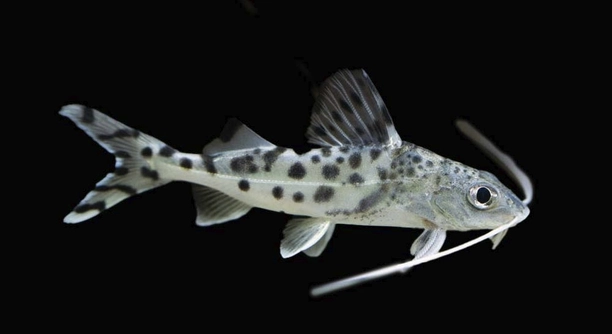
Many aquarium enthusiasts enjoy keeping Pictus Catfish for their lively nature and unique appearance. These fish are often seen swimming alone or in groups, sparking interest in how their behavior changes based on company. Understanding their social habits can improve care and tank harmony.
Pictus Catfish exhibit noticeable differences when kept in groups versus alone. In groups, they display more active swimming patterns, social interactions, and reduced stress indicators, whereas solitary fish tend to be more reserved and less dynamic in their movements.
Exploring these behavioral shifts helps aquarists create better environments for their Pictus Catfish, promoting healthier and more natural fish behavior in home tanks.
Social Behavior of Pictus Catfish in Groups
When Pictus Catfish are kept together, they show more lively and natural behavior. In groups, these fish tend to swim actively across the tank, often moving in loose schools. They interact with each other through gentle nudges and synchronized swimming, which seems to reduce stress. Group living helps them feel safer since these catfish naturally avoid predators by sticking close to others. Alone, Pictus Catfish may become shy and hide more often, showing less curiosity. Their activity level drops, and they may appear restless or anxious. This difference in behavior is important for tank owners who want to encourage healthy, engaging fish activity. Providing space and hiding spots alongside group companionship creates a balanced environment where Pictus Catfish can thrive.
These social tendencies mean that keeping multiple Pictus Catfish together can improve their overall well-being and reduce signs of stress.
Understanding how group size influences behavior can help you set up a tank that matches the catfish’s natural instincts for safety and interaction.
Effects of Group Size on Tank Dynamics
Smaller groups of Pictus Catfish tend to form closer bonds and show stronger social behaviors than larger groups.
In tanks with only two or three Pictus Catfish, the fish often establish a clear hierarchy, with one or two more dominant individuals. This setup encourages frequent interaction but also occasional mild chasing or territory marking, which keeps them active. Larger groups, around six or more, create a more dynamic environment where the social structure is less rigid, allowing fish to spread out and reduce competition. However, very large groups require ample tank space to prevent overcrowding and stress. Group size also affects how other tank mates behave, since Pictus Catfish can be quite energetic, especially when comfortable in their group. Choosing the right number of fish helps maintain peace and balance in a mixed aquarium, keeping all inhabitants happier and healthier.
Feeding Behavior in Groups
Pictus Catfish in groups often compete for food more actively than when alone. This competition encourages quicker feeding and helps maintain their alertness.
When feeding in groups, Pictus Catfish are more likely to explore the entire tank in search of food, rather than sticking to one spot. This behavior increases their physical activity and helps reduce boredom. However, it can also lead to occasional food aggression, especially if feeding spots are limited. Providing multiple feeding areas or spreading food evenly helps keep the group peaceful and ensures all fish get enough to eat.
Feeding together also strengthens social bonds. Watching their coordinated movements during feeding times can be quite interesting. Group feeding mimics natural foraging behavior, making the fish feel more comfortable and secure in their environment.
Stress Levels and Group Living
Pictus Catfish generally experience lower stress when kept in groups rather than alone. Group living provides a sense of safety and reduces the fish’s anxiety.
Stress in solitary catfish often leads to hiding or decreased activity, which can affect their health. In groups, these fish tend to be more active and show fewer signs of stress, such as erratic swimming or loss of appetite. However, overcrowding can cause stress as well, so balancing group size with tank space is crucial. Observing your fish regularly helps you spot stress early and adjust their environment to improve their well-being.
Activity Levels Compared to Solitary Fish
Pictus Catfish in groups are noticeably more active than those kept alone. Their swimming is more dynamic, and they explore the tank with greater confidence.
Solitary Pictus Catfish often rest more and hide, showing less natural movement. Group settings encourage regular activity and interaction, which benefits their health.
Tank Setup Considerations for Groups
A larger tank with plenty of hiding spots is necessary for groups of Pictus Catfish. Open swimming areas mixed with shelters help balance their need for exploration and security.
Providing plants, driftwood, and rocks creates natural barriers and comfort zones. This setup reduces territorial disputes and supports social behavior, making the group more peaceful.
Compatibility with Other Fish
Pictus Catfish generally get along well with peaceful community fish that occupy different tank levels. Avoid aggressive or overly territorial species.
Monitoring Group Health
Regularly watch group behavior to catch early signs of illness or stress. Healthy groups show active swimming, clear eyes, and good appetite.
FAQ
How many Pictus Catfish should I keep together?
The ideal number is usually between three and six. Keeping at least three allows them to show natural social behaviors without causing overcrowding. Fewer than three may lead to shy or stressed fish, while more than six requires a large tank to prevent territorial conflicts and maintain good water quality.
Can Pictus Catfish live alone?
Yes, they can live alone, but their behavior often changes. Solo Pictus Catfish tend to be less active and more prone to stress or hiding. They might not show the full range of natural behaviors that appear when they are in a group, so group living is generally recommended for healthier, happier fish.
Do Pictus Catfish fight when kept in groups?
They usually don’t fight aggressively, but mild chasing or territorial displays can happen, especially when establishing hierarchy. These behaviors are natural and rarely cause harm. Providing plenty of space and hiding spots reduces the chances of conflict and keeps the group peaceful.
What tank size is best for a group of Pictus Catfish?
A minimum of 30 gallons is recommended for a small group. Larger tanks are better when housing more fish, as Pictus Catfish are active swimmers and need space to move freely. A spacious tank also helps maintain water quality and reduce stress from crowding.
What do Pictus Catfish eat in groups?
They eat the same foods whether alone or in groups but tend to feed more actively and quickly when together. Providing sinking pellets, frozen or live foods like bloodworms, and occasional vegetables supports their diet. Feeding multiple spots helps reduce competition and ensures all fish get enough food.
How can I tell if my Pictus Catfish are stressed?
Signs of stress include hiding constantly, loss of appetite, erratic swimming, and faded coloration. Stress is more common in solitary fish or in overcrowded tanks. Observing their behavior regularly helps you spot problems early and adjust tank conditions.
Do Pictus Catfish need special water conditions when kept in groups?
They prefer clean, well-oxygenated water with temperatures between 72–78°F (22–26°C) and a pH around 6.5 to 7.5. Group living means more waste, so regular water changes and good filtration are important to keep water parameters stable and the fish healthy.
Can Pictus Catfish breed in a community tank?
Breeding is rare in typical home tanks because they need specific conditions and privacy. When they do breed, they often separate from the group. Providing plants and quiet areas may encourage breeding, but it’s not common in mixed community tanks.
Are Pictus Catfish compatible with other species?
They get along well with peaceful, non-aggressive fish that stay in different tank zones. Avoid keeping them with large, aggressive, or territorial species. Their peaceful nature and active swimming make them good community members in properly balanced tanks.
How do I introduce new Pictus Catfish to an existing group?
Introduce new fish slowly, using a quarantine tank first to prevent disease spread. When adding to the main tank, rearranging decorations can help reduce territorial behavior by giving all fish a fresh environment. Watch closely for signs of aggression and be ready to separate fish if needed.
When keeping Pictus Catfish, understanding their behavior in groups is important for their well-being. These fish naturally enjoy the company of others and show more activity when in groups. They swim more confidently, interact gently with one another, and seem less stressed. Being alone can make them shy, restless, or less active, which may affect their health over time. Providing a group environment that mimics their natural social habits helps create a more balanced and peaceful aquarium.
Group size and tank setup play a big role in how Pictus Catfish behave. Smaller groups tend to form bonds and show clear social structures, while larger groups spread out and stay more relaxed. However, overcrowding can cause stress and conflicts. It’s important to provide enough space, hiding spots, and feeding areas to support these fish. Adding plants, driftwood, or rocks offers comfort and helps reduce any competition or territorial behavior. This setup keeps the group peaceful and active, which is good for both the fish and the tank’s overall health.
Watching your Pictus Catfish regularly is key to making sure they stay healthy and happy. Look for signs of stress, illness, or unusual behavior and adjust their environment if needed. Feeding them properly and maintaining clean water are also important parts of good care. When you understand how group living affects these catfish, you can create a tank that supports their natural instincts. This helps them thrive and adds life and interest to your aquarium.

Hello,
If you enjoy the content that we create, please consider saying a "Thank You!" by leaving a tip.
Every little bit helps us continue crafting quality advice that supports the health, happiness, and well-being of pets around the world, for pets of all shapes, sizes, and species.
We really appreciate the kindness and support that you show us!