
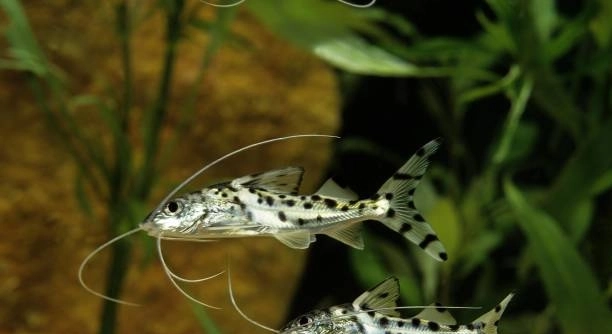
Pictus catfish are popular aquarium fish known for their active nature and playful behavior. Many owners notice times when their fish seem less engaged or restless. Understanding what these catfish do when bored helps improve their care.
When bored, pictus catfish often swim more erratically, explore their tank repeatedly, and may dig in substrate or rearrange decorations. These behaviors indicate a need for stimulation and environmental enrichment to maintain their well-being.
Recognizing these signs can help you create a more engaging habitat and keep your pictus catfish happy and healthy.
How Pictus Catfish Show Boredom
Pictus catfish are naturally active swimmers, and when they get bored, their usual calm behavior changes. You might notice them darting around more quickly or spending extra time digging at the gravel. Sometimes, they will repeatedly swim the same paths, almost like they are trying to find something new. This kind of restless movement is a clear sign that the tank environment isn’t engaging enough. Since these fish are used to exploring larger spaces in the wild, a small or empty tank can feel restrictive. Without enough hiding spots or decorations, they may become frustrated. Their digging can also increase as they try to interact with their surroundings or search for food. Watching these behaviors closely helps identify boredom before it leads to stress or illness. Adjusting the tank setup is important to keep them healthy and lively.
Boredom in pictus catfish often leads to increased activity and repetitive behaviors, signaling a need for environmental changes.
Providing a varied environment with plants, hiding places, and interactive objects keeps these fish mentally stimulated. This reduces boredom and encourages natural behaviors like exploring and foraging.
Ways to Keep Pictus Catfish Engaged
Adding plants, driftwood, and rocks creates hiding spots and interesting areas to explore. Live plants are great because they move and change over time, giving the fish new things to discover. You can also introduce gentle currents using a filter or air stone, which encourages natural swimming patterns. Rearranging tank decorations every few weeks prevents the environment from becoming too predictable. Feeding routines that vary in timing and type of food also help keep the fish alert. Offering sinking pellets or live food encourages foraging behavior. Interactive toys designed for fish tanks are available and can be a fun way to add enrichment. Maintaining clean water and a proper tank size is essential since stressed fish are less active. Simple changes make a big difference in preventing boredom and supporting the fish’s overall health.
Keeping pictus catfish engaged requires ongoing effort and thoughtful tank design to meet their natural instincts.
Recognizing Stress from Boredom
When pictus catfish are bored, they can also show signs of stress. These include hiding too much or losing interest in food. Sudden changes in color or erratic swimming might also occur.
Stress caused by boredom affects their immune system, making them prone to illness. You may notice lethargy or unusual aggression toward other tank mates. Over time, this can reduce their lifespan and overall health. It’s important to act quickly by enriching their environment and ensuring water quality is optimal. Regular observation helps catch these signs early before they worsen.
Providing variety in the tank and maintaining a healthy environment reduces stress levels. Proper care prevents boredom-related health issues and promotes a peaceful tank atmosphere.
Ideal Tank Setup to Prevent Boredom
A tank size of at least 30 gallons is recommended to give pictus catfish enough space to swim freely. They need hiding spots like caves or dense plants to feel secure. Open swimming areas combined with cover create a balanced environment.
Use a mix of smooth rocks and driftwood to encourage natural behaviors such as digging and exploring. Live plants help improve water quality and offer constant changes to the scenery. Lighting should be moderate, mimicking their natural environment without being too harsh. Regularly change decorations or rearrange plants to keep the tank from feeling static. These simple adjustments help keep the catfish active and reduce signs of boredom. A well-maintained tank improves their mood and supports healthy growth.
Feeding Habits and Boredom
Pictus catfish become less interested in food when bored. Offering a variety of foods helps keep them engaged during feeding time.
Feeding live or frozen foods, like bloodworms or brine shrimp, encourages natural hunting behavior. This stimulation reduces boredom and improves their overall activity levels.
Social Behavior and Stimulation
These catfish are social and prefer living in groups of at least five. Being around others keeps them mentally active and reduces loneliness. Group interaction provides natural stimulation through chasing and playing, which helps prevent boredom.
Signs of Overstimulation
Too many changes or excessive interaction can stress pictus catfish. Watch for signs like frantic swimming or hiding more often to avoid overwhelming them.
FAQ
How can I tell if my pictus catfish is bored?
Bored pictus catfish show signs like swimming in repetitive patterns, increased digging in the substrate, or excessive hiding. They may also lose interest in food or appear restless. Watching their daily behavior closely helps spot these signs early, so you can improve their environment.
What types of tank decorations help prevent boredom?
Adding plants, rocks, caves, and driftwood creates hiding spots and exploration areas. Live plants are especially good because they change over time, keeping things interesting. Rearranging decorations occasionally also helps keep the environment fresh and engaging.
Is tank size important for preventing boredom?
Yes, a tank of at least 30 gallons is recommended. Pictus catfish need enough space to swim freely and explore. A cramped tank limits their activity and can increase boredom and stress.
Can feeding routines affect boredom?
Changing feeding times and offering different types of food reduces boredom. Live or frozen foods like bloodworms or brine shrimp encourage natural foraging and hunting behaviors, which keep them mentally stimulated.
Do pictus catfish need to be kept in groups?
Yes, pictus catfish are social fish and do best in groups of five or more. Being with other fish helps them stay active and reduces loneliness. Group interactions are a natural form of enrichment.
What happens if a pictus catfish is overstimulated?
Too much activity or constant changes can cause stress. Signs of overstimulation include frantic swimming, hiding, or refusal to eat. It’s important to balance stimulation with periods of calm and maintain a stable environment.
How often should I rearrange tank decorations?
Rearranging decorations every few weeks is enough to keep the environment interesting. Frequent changes can stress the fish, so avoid too much alteration at once. Small adjustments encourage exploration without overwhelming them.
Can boredom cause health problems in pictus catfish?
Yes, boredom can lead to stress, which weakens the immune system. Stressed fish are more vulnerable to disease and may have shorter lifespans. Preventing boredom supports both mental and physical health.
What kinds of toys or enrichment can I add to the tank?
Some owners use floating objects, gentle currents, or fish-safe toys to add variety. Items that encourage movement or exploration work best. Avoid anything sharp or toxic that could harm the fish.
How can I tell if my pictus catfish prefers one type of environment over another?
Observing where your fish spends most of its time helps. If it hides often, it might prefer more cover. If it swims actively in open spaces, a larger tank with fewer decorations may suit it better. Adjust based on their behavior.
Pictus catfish are active and curious fish that need a stimulating environment to thrive. When they become bored, their behavior changes, showing restlessness or repetitive movements. Providing enough space, hiding spots, and varied decorations can help keep them engaged. It’s important to pay attention to their behavior because boredom can lead to stress and health problems. Watching how they interact with their tank and other fish allows you to notice any changes early and respond with adjustments.
Feeding habits also play a role in preventing boredom. Offering different types of food, especially live or frozen options, encourages natural hunting and foraging behaviors. This keeps pictus catfish mentally active and adds variety to their day. Social interaction is another key factor. These catfish feel more comfortable and stimulated in groups. Being with other fish provides natural enrichment and reduces loneliness. However, it’s essential to balance stimulation to avoid overstressing them with too many changes or too much activity.
Overall, caring for pictus catfish means understanding their needs and habits. Creating a healthy, enriching environment helps prevent boredom and supports their well-being. Simple steps like adding plants, rearranging decorations occasionally, and maintaining clean water make a big difference. By providing proper care, you help your pictus catfish live a longer, happier life in your aquarium. Paying attention to their behavior and adjusting their surroundings shows how much you value their health and comfort.

Hello,
If you enjoy the content that we create, please consider saying a "Thank You!" by leaving a tip.
Every little bit helps us continue crafting quality advice that supports the health, happiness, and well-being of pets around the world, for pets of all shapes, sizes, and species.
We really appreciate the kindness and support that you show us!