
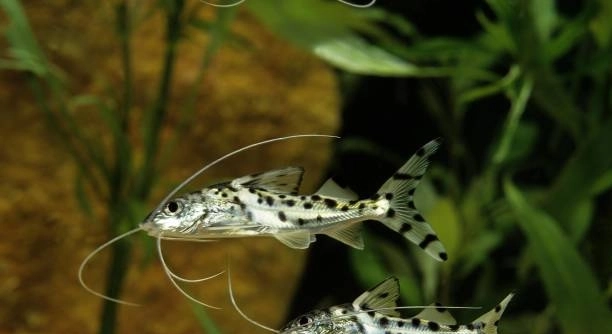
Pictus catfish are popular aquarium fish known for their lively behavior. However, they can experience stress due to changes in their environment or poor water conditions. Managing their stress naturally is important for their well-being and longevity.
Stress in pictus catfish can be reduced by improving tank conditions, providing hiding places, maintaining stable water parameters, and offering a varied diet. These natural methods help create a calm environment that supports the fish’s health and reduces stress responses.
Learning about these natural stress-reduction techniques will help you care for your pictus catfish more effectively and support their comfort in your aquarium.
Maintain Stable Water Conditions
Keeping the water clean and stable is key to reducing stress in pictus catfish. Frequent water changes help remove waste and toxins that build up over time. Using a reliable water testing kit ensures that ammonia, nitrite, and nitrate levels stay within safe limits. Pictus catfish prefer slightly acidic to neutral pH, usually between 6.5 and 7.5, and a temperature range of 75 to 80°F. Sudden changes in these factors can shock the fish and cause stress. Filtration is important, but strong currents should be avoided because pictus catfish prefer calmer waters. Aeration can help maintain oxygen levels, which is necessary for their health. Regularly checking and adjusting the water conditions keeps the fish comfortable and prevents stress-related illnesses.
Water stability reduces the risk of disease and promotes healthier behavior in pictus catfish.
Providing consistent and clean water creates a stable environment that meets their natural needs. Stress from poor water quality affects their immune system, making them more vulnerable. Keeping these conditions in check will improve their overall health and encourage normal activity. It also allows pictus catfish to show their natural behaviors, like exploring and hiding. Maintaining these stable parameters takes some effort but offers great rewards by helping your fish thrive.
Provide Hiding Places
Pictus catfish feel safer when they have places to hide. These spots help reduce stress by offering shelter from light and sudden movement.
Creating a natural environment with caves, plants, and driftwood mimics their natural habitat. It also encourages natural behaviors and gives the fish a sense of security. Hiding places reduce anxiety, especially during feeding or when other fish are active. The more secure they feel, the less stressed they become.
Incorporate several hiding spots of different sizes throughout the tank. Make sure these areas are easy to access but also provide enough cover. Avoid overcrowding the tank so the fish still have plenty of open swimming space. Using natural decorations like smooth rocks and live or artificial plants creates a balanced environment. These spaces not only reduce stress but improve the aquarium’s appearance. A well-structured tank supports the mental and physical health of your pictus catfish, making them more active and less prone to illness.
Offer a Varied Diet
A balanced diet helps reduce stress in pictus catfish. Feeding them a variety of foods ensures they get all the nutrients they need.
Including live or frozen foods like bloodworms, brine shrimp, and daphnia mimics their natural diet. Supplement this with high-quality sinking pellets or flakes designed for carnivorous fish. Avoid overfeeding, as leftover food can degrade water quality and cause stress. Feeding small amounts two to three times a day works best. Variety keeps the fish interested in food and supports their immune system. Proper nutrition strengthens their resilience against stress and illness.
Consistent feeding routines help the fish feel secure. Abrupt changes in diet or feeding times can cause anxiety. Watching their eating habits also helps detect health issues early. A healthy diet is a simple but effective way to keep pictus catfish calm and active.
Avoid Overcrowding
Overcrowding creates competition and stress among pictus catfish. Keeping a proper fish-to-tank ratio is essential for their well-being.
Pictus catfish need enough space to swim and establish territory. Crowded tanks increase aggression and reduce water quality quickly. A general rule is one inch of fish per gallon, but pictus catfish can grow up to six inches, so plan accordingly. Overstocking limits oxygen and raises waste levels, stressing all inhabitants. Providing sufficient room reduces conflicts and promotes peaceful behavior. Observing your tank’s population helps maintain a balanced environment and supports long-term fish health.
Monitor Tank Mates
Choosing compatible tank mates reduces stress for pictus catfish. Avoid aggressive or overly active species that may harass them.
Peaceful, similarly sized fish work best. This balance prevents competition and helps maintain calm in the tank.
Maintain Proper Lighting
Pictus catfish prefer dim lighting that mimics their natural habitat. Bright lights can cause stress and hide their activity.
Using adjustable or low-intensity lighting helps create a comfortable environment. Providing shaded areas with plants or decorations also reduces light exposure.
Regular Tank Cleaning
Regular cleaning keeps the tank healthy and stress-free for pictus catfish. Removing debris and waste prevents toxin buildup and supports water quality.
Consistent maintenance helps the fish feel secure and avoids sudden changes that can trigger stress responses.
FAQ
How can I tell if my pictus catfish is stressed?
Signs of stress in pictus catfish include hiding more than usual, loss of appetite, rapid breathing, and erratic swimming. They may also lose color or develop clamped fins. Observing these behaviors early helps prevent serious health issues.
What is the best water temperature for pictus catfish?
Pictus catfish thrive in water temperatures between 75°F and 80°F. Maintaining this stable range reduces stress and supports their immune system. Sudden temperature changes should be avoided as they can shock the fish.
How often should I change the water?
Perform a partial water change of about 20-30% every one to two weeks. This helps remove toxins and keeps water parameters stable. Frequent changes prevent buildup of harmful substances that cause stress.
Can pictus catfish live with other fish?
Yes, but choose peaceful tank mates. Avoid aggressive or overly large fish. Suitable companions include tetras, danios, and other non-aggressive species. Proper space and hiding spots are important to reduce stress.
What should I feed pictus catfish?
Offer a varied diet including sinking pellets, frozen or live foods like bloodworms, brine shrimp, and daphnia. Feeding small amounts two to three times daily prevents overfeeding and keeps the fish healthy.
Why does my pictus catfish hide so much?
Hiding is natural for pictus catfish, especially when stressed or during the day. Providing adequate hiding places helps them feel secure and reduces anxiety. Excessive hiding can indicate stress or poor water conditions.
Is strong filtration good for pictus catfish?
Filtration is necessary but avoid strong currents. Pictus catfish prefer calm water, so use filters with adjustable flow or add decorations to reduce water movement. Proper filtration keeps water clean without stressing the fish.
How big should my tank be?
A tank of at least 30 gallons is recommended for pictus catfish. This size provides enough space for swimming and territory. Larger tanks help maintain stable water conditions and reduce stress.
Can I keep pictus catfish alone?
They can live alone but usually do better in small groups of three or more. Group living mimics their natural behavior and reduces stress. Make sure the tank is large enough to support multiple fish.
What causes stress in pictus catfish?
Common causes include poor water quality, sudden changes in environment, overcrowding, aggressive tank mates, and improper diet. Addressing these issues helps keep pictus catfish calm and healthy.
How do I lower stress quickly?
Perform partial water changes, check water parameters, provide hiding spots, and ensure proper diet. Reducing noise and sudden movements around the tank also helps lower stress immediately.
Can lighting affect stress levels?
Yes, bright or constant lighting can cause stress. Use dim or adjustable lighting and add plants or decorations for shade. A natural day-night cycle supports the fish’s comfort.
How long do pictus catfish live?
With proper care, pictus catfish live about 8 to 10 years. Stress reduction and good tank management help maximize their lifespan.
What are common diseases caused by stress?
Stress weakens the immune system, making fish prone to fungal infections, ich, and fin rot. Maintaining stable water conditions and proper diet prevents these illnesses.
How can I create a stress-free environment?
Keep water stable, avoid overcrowding, provide hiding spots, feed a varied diet, and select peaceful tank mates. Regular cleaning and gentle lighting complete the ideal environment for pictus catfish.
Final Thoughts
Reducing stress in pictus catfish is essential for their health and happiness. Stress can weaken their immune system, making them more vulnerable to diseases. By maintaining stable water conditions, providing hiding places, and feeding a varied diet, you can create an environment that supports their well-being. These natural methods are effective and help the fish live longer and behave more naturally. Small daily efforts to monitor and care for your fish go a long way toward preventing stress.
It is important to remember that pictus catfish are sensitive to changes in their surroundings. Sudden shifts in water temperature, poor water quality, or overcrowding can cause them to become anxious. Avoiding these situations by regularly checking water parameters and ensuring enough space in the tank keeps them calm. Choosing peaceful tank mates and keeping the lighting soft also reduces stress. When the fish feel secure, they show more activity and have better overall health.
Caring for pictus catfish requires attention to detail but is very rewarding. Creating a stable and comfortable environment helps the fish thrive. The more natural their habitat feels, the less stressed they will be. Stress reduction is not just about fixing problems but preventing them from starting. Consistency in care and understanding the needs of pictus catfish ensures they stay healthy and active for years. Taking these simple steps benefits both the fish and your experience as a keeper.

Hello,
If you enjoy the content that we create, please consider saying a "Thank You!" by leaving a tip.
Every little bit helps us continue crafting quality advice that supports the health, happiness, and well-being of pets around the world, for pets of all shapes, sizes, and species.
We really appreciate the kindness and support that you show us!