
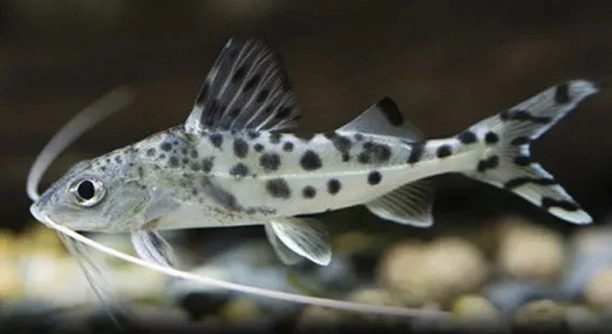
Is your pictus catfish tank looking a little too busy, with constant movement and limited space for each fish to swim freely?
An overcrowded pictus tank is often identified by signs such as aggressive behavior, poor water quality, rapid waste buildup, and stress-related health issues. These indicators suggest the environment is too cramped, impacting the overall well-being of your fish.
Recognizing these warning signs can help you adjust your setup and improve life for your pictus catfish before serious issues develop.
Signs of Aggression and Stress in Your Tank
When pictus catfish become aggressive, it usually means their tank is too crowded. They start chasing each other, bumping into tankmates, or hiding more than usual. These changes in behavior are early warnings that something isn’t right. Stress from overcrowding makes them restless and uncomfortable. You might also notice torn fins, loss of color, or a sudden lack of appetite. All of these are signs that the environment has become too tense. Fish under stress often become territorial or anxious, which can lead to more frequent fights. This behavior is not natural for pictus catfish, who typically enjoy active but peaceful swimming. If you spot any of these behaviors, it’s time to evaluate how many fish are in the tank and whether they have enough room to move.
Too many fish in one tank can turn calm pictus catfish into restless, aggressive swimmers. These changes are signs that they’re under too much stress.
When a tank becomes too busy, fish may also stop swimming freely and instead stick to corners or hide behind decorations. These avoidance behaviors often mean they feel overwhelmed. If left unaddressed, constant stress weakens their immune systems and shortens their lifespan. Recognizing this early makes it easier to adjust and restore balance.
Water Quality Declines Quickly
Poor water quality often means there are too many fish in one tank. Waste builds up faster, making the environment unsafe and unstable.
A crowded tank makes it harder to keep ammonia, nitrites, and nitrates in check. Pictus catfish produce a lot of waste, and when their numbers are too high, filters struggle to keep up. As a result, toxins accumulate quickly, even with regular water changes. Cloudy water, algae blooms, and foul odors are common signs. This can lead to fin rot, gill damage, or skin infections. When fish live in polluted water, they breathe harder and move less, trying to cope with poor oxygen levels. Frequent water tests help you track changes, but long-term fixes come from reducing the number of fish or upgrading filtration systems. Staying on top of this issue not only improves water clarity but also helps your pictus catfish stay healthier and more active.
Limited Swimming Space
When pictus catfish don’t have enough room to swim, they become restless and uneasy. They may crash into decorations or glass panels, and their usual playful patterns turn into frantic, unpredictable movements.
Lack of space limits their ability to behave naturally. Pictus catfish are active swimmers that enjoy exploring every part of the tank. In overcrowded setups, they struggle to find open lanes to move freely. You may see them circling in tight loops or staying near the surface where movement is easier. This constant motion isn’t healthy—it’s a reaction to stress. Without enough space, they burn more energy and become more prone to illness. These fish need horizontal space and a clear swimming path. Even with hiding spots or plants, if their basic need for open room isn’t met, their physical and mental health will decline. A spacious tank leads to calmer, healthier behavior.
Movement patterns can tell you a lot about tank conditions. If pictus catfish are always bumping into each other or crowding the same areas, they’re likely overwhelmed. You may also notice increased gill movement, which shows they’re struggling with oxygen exchange due to stress. When they have room to swim, they glide easily and show smoother, calmer movements throughout the tank.
Uneven Feeding and Food Competition
Overcrowded tanks often lead to food competition. Stronger fish eat first while others miss out, which causes imbalance in growth and health.
In a packed tank, feeding turns chaotic. Food hits the water and is quickly snatched by the most aggressive swimmers. Slower or more timid pictus catfish are left scavenging or go without eating at all. This results in uneven sizes and weakened immunity among the group. Over time, hunger causes more aggressive feeding behavior, even among typically peaceful fish. Watching your fish during feeding helps you catch this problem early. If some fish look slimmer or act less active, they may be missing out. Spreading food across multiple areas can help, but the long-term fix is reducing the number of fish so each one has a fair chance. Feeding should be calm and balanced, not frantic or rushed.
Increased Waste Buildup
More fish means more waste, and filters can’t always keep up. Waste settles on the substrate, clogs filters faster, and creates cloudy water. This buildup affects both water quality and the comfort of your pictus catfish.
Visible debris and rising ammonia levels usually mean you’re overstocked. Even regular cleanings won’t solve the issue completely if there are too many fish in the tank.
Frequent Illness or Injuries
Overcrowding often leads to more illness and injuries. Fish weakened by stress or poor water conditions become more vulnerable to infections like ich, fin rot, and skin lesions. Scratches and split fins are common, especially when there’s not enough space to swim safely. Injuries caused by rough contact or competition heal slowly in crowded tanks. If your fish frequently look ill or seem to recover only to get sick again, the problem might be the number of tankmates. Fewer fish reduce stress and allow your pictus catfish to maintain stronger immunity, which means fewer health problems overall.
Constant Hiding
If your pictus catfish are hiding more than swimming, it may be due to stress from too many tankmates. Constant hiding shows they don’t feel safe in the environment.
FAQ
How many pictus catfish should be kept in one tank?
The ideal number of pictus catfish depends on the tank size. Generally, you should allow about 10 gallons of water per fish. For example, a 30-gallon tank comfortably houses three pictus catfish. Overstocking reduces swimming space and increases waste, leading to stress and health issues. Proper stocking maintains balance and promotes a healthy environment for your fish.
What are the best tank sizes for pictus catfish?
A tank of at least 30 gallons is recommended for a small group of pictus catfish. Larger tanks give them enough room to swim freely and help maintain water quality. Bigger tanks also allow for better filtration and reduce aggressive behaviors caused by overcrowding.
How often should water be changed in an overcrowded tank?
In an overcrowded tank, water should be changed more frequently—about 25-30% every week. This helps control harmful chemicals and keeps water clean. Regular water changes are critical but don’t replace the need to reduce overcrowding for long-term tank health.
What signs show that water quality is poor?
Cloudy water, strong odors, and visible algae growth are common signs of poor water quality. Fish may gasp at the surface or show sluggish swimming. Frequent illness or discoloration also suggests water problems. Testing water parameters can confirm issues like high ammonia or nitrate levels.
Can overcrowding cause aggression between pictus catfish?
Yes, overcrowding often leads to increased aggression. Limited space causes stress, leading fish to compete for territory and food. Pictus catfish, normally peaceful, may nip fins or chase each other if the tank is too crowded.
How can I reduce overcrowding without moving fish to another tank?
Partial solutions include upgrading filtration, increasing water changes, and rearranging tank decorations to create more swimming space. Feeding fish in multiple spots can also reduce competition. However, these steps only help temporarily; reducing the number of fish is the most effective long-term solution.
Are there any health risks to overcrowding pictus catfish?
Overcrowding weakens fish immune systems, making them more susceptible to diseases like fin rot, ich, and fungal infections. Stress also increases susceptibility to parasites and slows recovery from injuries. Maintaining proper tank density helps avoid these problems.
Is it okay to keep other fish species with pictus catfish in a crowded tank?
Mixing species in a crowded tank increases competition and stress for all fish involved. Even peaceful species can become aggressive when space is tight. It’s best to avoid overcrowding altogether to maintain harmony and health in a community tank.
How do I know if my pictus catfish are stressed?
Signs of stress include hiding, rapid breathing, loss of appetite, faded colors, and unusual swimming patterns. Stressed fish may also become aggressive or lethargic. Monitoring behavior regularly can help you spot stress early and adjust tank conditions accordingly.
What are the consequences of ignoring overcrowding?
Ignoring overcrowding can lead to poor water quality, increased disease, higher mortality rates, and a less enjoyable aquarium experience. Over time, stressed fish may stop eating or die prematurely. Preventing overcrowding ensures a healthier, more vibrant tank for your pictus catfish.
Final Thoughts
Keeping pictus catfish in a tank that is not overcrowded is important for their health and happiness. When there are too many fish in one space, it causes stress and creates problems like poor water quality, aggressive behavior, and uneven feeding. These issues can quickly affect the overall balance of the tank and make it harder for your fish to thrive. Giving pictus catfish enough room to swim freely and live comfortably helps prevent many common problems. This simple step can improve their well-being and make your aquarium a more enjoyable place to watch.
Regularly checking your tank for signs of overcrowding is a good habit to keep. Watching how your pictus catfish behave, where they spend their time, and their general health can give you important clues about their environment. If you notice increased aggression, constant hiding, or fish that look unhealthy, these may be signs that the tank is too full. It’s also helpful to monitor water quality often, as overcrowding tends to increase waste and pollution. By keeping an eye on these factors, you can make adjustments early and avoid bigger problems later.
Ultimately, the key to a healthy pictus catfish tank is balance. This means providing enough space, proper filtration, regular water changes, and a well-managed number of fish. Taking these steps ensures your fish remain active, healthy, and stress-free. While it might take some effort to maintain the right conditions, the rewards are worth it. Your pictus catfish will display natural behaviors and vibrant colors, adding beauty and life to your aquarium. Keeping the tank balanced also saves you time and money on treatments and fixes caused by overcrowding. Prioritizing their environment creates a better home for your fish and a more satisfying experience for you.

Hello,
If you enjoy the content that we create, please consider saying a "Thank You!" by leaving a tip.
Every little bit helps us continue crafting quality advice that supports the health, happiness, and well-being of pets around the world, for pets of all shapes, sizes, and species.
We really appreciate the kindness and support that you show us!