
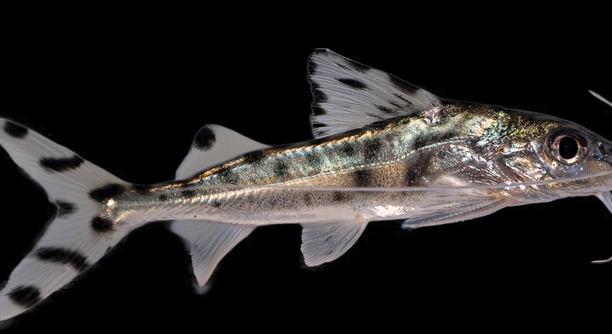
Are your aquarium lights too intense for your Pictus catfish? Many hobbyists may not realize how light levels affect these nocturnal fish. Proper lighting is important to keep your Pictus comfortable and healthy in their environment.
Excessive brightness in a tank can cause stress and erratic behavior in Pictus catfish. These fish prefer dim or moderate lighting to mimic their natural habitats. Overly bright conditions can lead to hiding, loss of appetite, and weakened immune responses.
Recognizing the signs of too much light will help improve your tank’s environment. Knowing how lighting impacts your Pictus can ensure they remain active and healthy over time.
Increased Hiding Behavior
When your Pictus catfish starts spending more time hiding than swimming, it may be a sign that the tank lighting is too bright. These fish are naturally nocturnal and prefer low-light conditions. Bright lights can make them feel exposed and unsafe, pushing them to seek shelter more often. If you notice your Pictus staying under decorations, plants, or in corners more than usual, this behavior change likely relates to the lighting. Reducing light intensity or adding shaded areas can help your fish feel more comfortable and encourage normal activity. Adjusting the lighting gradually allows your Pictus to adapt without added stress.
Reducing light stress promotes healthier and more active Pictus catfish. Hiding is a protective response to bright environments, so controlling light helps reduce this behavior.
Providing dimmer lighting and creating hiding spots mimics their natural environment, leading to less stress and more natural swimming patterns. Your Pictus will feel safer and show more of its typical, calm behavior once lighting is adjusted properly.
Faded Color and Health Decline
Pictus catfish rely on stable environments to maintain their vibrant appearance and health. When exposed to too much light, their colors may fade, and their overall health can deteriorate. Bright light causes stress, which weakens their immune system, making them more vulnerable to disease. This can show up as dull skin, lack of appetite, and sluggishness. The fish might also become more sensitive to water conditions due to the additional stress. To prevent this, controlling the light intensity and duration is essential. Use timers and dimmers to keep lighting consistent but gentle. Providing a shaded area in the tank also offers your Pictus a place to retreat when needed.
Keeping the light level balanced helps maintain the natural color and vitality of your Pictus catfish.
Too much light can cause gradual health decline. Overexposure stresses the fish and disrupts normal behavior. A well-regulated lighting schedule prevents these problems. Ideally, lighting should imitate a natural day-night cycle with low-intensity light. Avoid direct and harsh lighting that overwhelms the tank environment. Observing your fish’s response to lighting changes will guide necessary adjustments to improve their well-being. Regular monitoring of behavior and color changes ensures timely interventions to protect your Pictus. With proper light management, your fish will thrive and display its natural beauty consistently.
Erratic Swimming Patterns
Bright lighting often causes Pictus catfish to swim erratically. They may dart around the tank or move nervously, trying to escape the uncomfortable light. This behavior is a direct reaction to stress and can be a clear sign that the lighting is too intense.
Erratic swimming disrupts their usual calm movements and wastes energy, which can weaken the fish over time. Stress from too much light affects their nervous system and may make them jump or bump into tank decorations. These signs should prompt immediate adjustments to the lighting setup to create a more suitable environment for your Pictus. Reducing light intensity helps restore natural swimming behavior and overall well-being.
Providing shaded areas or floating plants can soften the lighting effect, allowing your fish to feel more secure. A well-balanced light cycle also promotes normal activity and reduces the risk of stress-related behaviors like erratic swimming.
Reduced Appetite and Feeding Issues
A Pictus exposed to excessive brightness may lose interest in food, leading to feeding problems. Stress from bright light suppresses their appetite and disrupts normal eating habits. This decline in feeding can impact their health and growth if not addressed.
Maintaining a comfortable lighting level encourages your Pictus to feed regularly. Feeding during lower light periods or dimmed conditions often improves appetite. If you notice your fish ignoring food, reassess the tank’s lighting as a potential factor. Feeding consistency is vital to keep your Pictus healthy, so managing light helps maintain normal eating behaviors.
In addition to adjusting lighting, ensure the tank environment feels secure during feeding times. Avoid sudden bright flashes or glare that could frighten your fish. Proper feeding routines combined with suitable lighting conditions support your Pictus’s nutrition and overall health.
Increased Aggression
Bright lighting can make Pictus catfish more aggressive toward tank mates. Stress caused by excessive light may trigger territorial behavior or quick, sharp movements. This shift in behavior can disrupt the tank’s balance and cause unnecessary conflict.
Lowering the light intensity often calms aggressive tendencies. Creating shaded areas helps fish feel safer and reduces tension.
Difficulty Sleeping
Pictus catfish require a consistent day-night cycle for restful sleep. Too much light, especially at night, disrupts their natural rhythm. This lack of rest can weaken their immune system and overall health.
Providing dark periods with minimal lighting helps Pictus maintain normal sleep patterns and stay healthy.
Excessive Algae Growth
Bright lighting encourages algae to grow rapidly. Algae can cloud the tank and reduce water quality. This affects your Pictus’s environment and health.
Controlling light intensity helps keep algae growth manageable and preserves tank cleanliness.
How bright should the lighting be for Pictus catfish?
Pictus catfish do best in dim to moderate lighting that simulates their natural, shaded environments. Bright, direct light can cause stress and behavioral issues. Aim for soft lighting levels that allow your fish to see but don’t overwhelm them. Using adjustable LED lights or dimmers helps create the right balance for your tank.
Can too little light harm Pictus catfish?
While Pictus prefer low light, complete darkness is not ideal either. They need a day-night cycle to regulate their behavior and biological rhythms. Too little light can affect their feeding habits and activity levels. It’s important to provide a natural light schedule with some gentle illumination during the day and darkness at night.
What signs show my Pictus is stressed by lighting?
Signs include excessive hiding, erratic swimming, faded color, reduced appetite, and increased aggression. Stress often appears as unusual behavior changes linked to lighting conditions. If your fish acts differently when the lights are on, it’s a strong indication the light may be too intense.
How can I adjust lighting without harming other tank inhabitants?
Different fish and plants have varied lighting needs. To support Pictus while protecting others, use zoned lighting or areas of shade. Floating plants or decorations create natural cover and help diffuse bright light. Adjustable lighting systems allow you to fine-tune intensity and timing, balancing the needs of all species in your tank.
Is it better to use natural or artificial light?
Artificial lighting offers better control over intensity and duration, making it easier to maintain proper conditions. Natural sunlight can be too strong or inconsistent and may cause unwanted algae growth. Artificial lights designed for aquariums provide steady, customizable illumination, which benefits your Pictus and the overall tank environment.
How long should the lights be on each day?
A 10-12 hour light period daily is ideal for Pictus catfish. This mimics a natural day-night cycle, allowing the fish to rest properly during dark hours. Using a timer ensures consistency and prevents accidental overexposure to light, which can cause stress and health problems.
What types of lights are best for Pictus tanks?
LED lights with adjustable brightness are recommended because they produce less heat and allow precise control. Soft white or blue spectrum lights closely resemble natural underwater conditions. Avoid harsh or overly bright fluorescent lights that can disturb your Pictus and promote algae growth.
Can too much light cause disease in Pictus catfish?
Excessive light increases stress, which weakens the immune system. This makes Pictus more vulnerable to infections and parasites. While light alone doesn’t cause disease, it creates conditions that reduce resistance. Proper lighting management is key to maintaining a healthy immune response.
How do I create shaded areas in the tank?
Adding floating plants, large decorations, or rock caves offers natural shade. These provide hiding spots that reduce light intensity in specific areas. Shaded zones allow Pictus to retreat from bright light when needed, helping reduce stress and encouraging normal behavior.
Can I use dimmers to control light intensity?
Yes, dimmers are effective tools for adjusting light levels. They allow gradual changes without sudden shifts that can startle fish. Dimmers help create a calm environment suited to Pictus’s preference for lower light, improving their comfort and health.
Should I monitor water parameters when adjusting lighting?
Absolutely. Light affects algae growth and temperature, which influence water quality. Regular checks for ammonia, nitrates, and pH are essential. Keeping water conditions stable supports your fish’s health as you fine-tune lighting to optimal levels.
What if my Pictus still hides after adjusting the light?
Some hiding is normal, but persistent hiding may indicate other issues like water quality, tank mates, or illness. Review all conditions in your tank to identify possible causes. Ensuring the right light level is one step toward creating a stress-free environment.
How quickly can I expect to see improvements after changing lighting?
Behavioral changes can appear within days of adjusting lighting. Color recovery and appetite may take longer, sometimes a week or more. Patience and consistency in lighting and tank care are important to see lasting improvements in your Pictus’s well-being.
Adjusting the lighting in your Pictus catfish tank is an important step to ensure their well-being. Too much light can cause stress, which leads to hiding, erratic swimming, and other signs that your fish are uncomfortable. By controlling the brightness and providing shaded areas, you help create an environment closer to their natural habitat. This reduces stress and allows your Pictus to display more natural behaviors, making them healthier and more active.
It is also important to keep a consistent day-night cycle with the lighting. Pictus catfish rely on this rhythm to regulate their activity and rest. Using timers and dimmers can help maintain a balanced lighting schedule, which supports their natural patterns. When light is too strong or stays on too long, it can disrupt these patterns and negatively affect the fish’s health. Gradually adjusting light levels can prevent sudden changes that might cause additional stress.
Lastly, paying attention to your fish’s behavior and appearance is key. Changes such as increased hiding, faded color, or reduced appetite often point to lighting issues. When these signs appear, it is useful to evaluate and modify the tank’s lighting accordingly. Along with good water quality and proper tank maintenance, proper lighting ensures your Pictus catfish thrive and live comfortably. Taking these steps benefits both the fish and the overall harmony of your aquarium.

Hello,
If you enjoy the content that we create, please consider saying a "Thank You!" by leaving a tip.
Every little bit helps us continue crafting quality advice that supports the health, happiness, and well-being of pets around the world, for pets of all shapes, sizes, and species.
We really appreciate the kindness and support that you show us!