
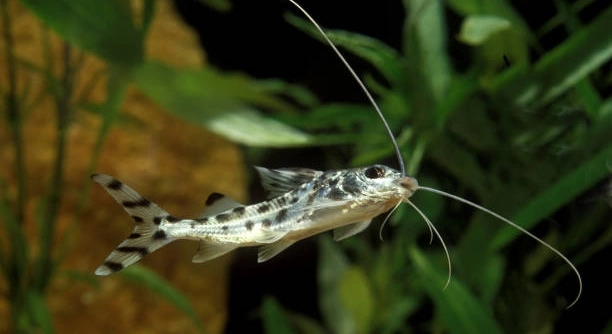
Many aquarium owners enjoy keeping pictus catfish for their active behavior and unique appearance. However, these fish are known to jump out of tanks, which can be frustrating and dangerous. Managing this behavior is important for their safety and your peace of mind.
The primary method to handle a jumping pictus catfish is to secure the aquarium with a tight-fitting lid. Additionally, maintaining proper water quality and providing hiding spots reduces stress that may trigger jumping. Monitoring tank conditions helps prevent such escapes.
Understanding these simple steps can improve your catfish’s environment and keep them safe. Proper tank care and prevention strategies are essential for a healthy, secure aquatic home.
Why Pictus Catfish Jump
Pictus catfish jump mainly because of stress, discomfort, or poor tank conditions. These fish are sensitive to changes in water quality, temperature, and tank environment. If the water parameters are not stable or the tank is overcrowded, they may try to escape by jumping. Sudden noises or vibrations can also startle them, causing a leap out of the aquarium. In the wild, pictus catfish have plenty of space to swim freely, so confined spaces may trigger this behavior. Providing hiding spots and a calm environment helps reduce their urge to jump. Regularly checking water parameters and keeping the tank clean can make a big difference. Ensuring the tank lid is secure is essential because even a small gap can allow a jump out. Understanding these causes can help you take steps to keep your catfish comfortable and safe in their home.
A tight-fitting lid combined with a stable, clean environment greatly lowers the chances of your catfish jumping. Prevention is key to keeping them safe.
Watching your catfish closely for signs of stress or illness is important. Early action can stop jumping behavior and improve their overall well-being. Adjusting tank setup and care routines based on your fish’s needs creates a safer habitat and helps them thrive.
Setting Up a Safe Environment
Securing your aquarium with a properly fitted lid is the first step to prevent jumping. Make sure there are no gaps or spaces where the fish can escape.
Water quality is a major factor in pictus catfish health and behavior. They require clean water with stable temperature, pH, and ammonia levels. Frequent water changes help maintain these conditions. Avoid overcrowding your tank, as it stresses the fish and can lead to erratic behavior, including jumping. Adding plants, rocks, or caves gives the fish places to hide and feel secure. Lighting should not be too bright or harsh, as this can increase stress. Feeding a balanced diet also supports health and reduces restlessness. By controlling these elements, you create a stable environment that lowers the risk of jumping. Regular observation helps you catch any issues early, allowing for quick adjustments. Combining these steps ensures your pictus catfish remains comfortable and less likely to leap from their tank.
Handling a Jumping Catfish Safely
If your pictus catfish does jump out of the tank, act quickly but calmly. Gently return the fish to the water as soon as possible to avoid injury or stress.
Once returned, check the fish for any signs of damage, such as torn fins or scratches. If you notice injuries, consider treating the water with aquarium salt or a mild antibacterial solution to prevent infections. Keep the water clean and maintain stable conditions to support recovery. Avoid sudden movements around the tank to reduce further stress. Monitoring your catfish closely after such incidents is important, as prolonged stress can lead to health problems. Taking these steps helps ensure your fish stays healthy and less likely to jump again.
Preventing future jumps means addressing possible causes like water quality, tank setup, and stress. Adjustments to lighting, filtration, and hiding spots can reduce jumping behavior. Secure lids and regular maintenance are essential to keep your fish safe.
Common Mistakes to Avoid
Leaving gaps in the tank lid is a frequent mistake that allows catfish to jump out easily. Even small openings should be sealed.
Another common issue is inconsistent water parameters. Sudden changes in temperature, pH, or ammonia levels can cause stress, increasing the risk of jumping. Overcrowding the tank leads to competition and discomfort, pushing fish to escape. Feeding too much or too little may also affect behavior. Avoiding these errors improves your fish’s environment. Regular monitoring and timely adjustments keep conditions stable, promoting calm behavior. Ensuring all equipment functions properly prevents unexpected stress triggers. Following these guidelines reduces jumping and supports a healthy, safe habitat for your pictus catfish.
Tank Lid Options
A secure tank lid is essential to prevent jumping. Glass or acrylic lids with rubber seals work well to close all gaps. Screen lids can be effective but need to fit tightly to avoid escape routes. Choosing a lid that fits your tank size properly is important for safety and ease of maintenance.
Magnetic or clip-on lids provide extra security and are easy to remove for cleaning. They also prevent accidental openings, which can happen with loose or poorly fitting lids. Regularly checking the lid’s condition helps maintain its effectiveness.
Monitoring Behavior Changes
Observing your pictus catfish’s behavior daily helps identify signs of stress early. Changes in swimming patterns or increased hiding can signal discomfort. Early detection allows prompt adjustments to improve tank conditions.
Feeding Tips for Pictus Catfish
Feeding your pictus catfish a balanced diet supports their health and reduces stress-induced jumping. Offer sinking pellets, live or frozen foods like bloodworms, and occasional vegetables. Avoid overfeeding, as excess food pollutes the water and may trigger erratic behavior. Feed small portions two to three times daily to maintain stable water conditions and promote natural activity. Consistent feeding routines also help reduce stress and unwanted jumping.
Water Quality Checks
Regular water tests keep the tank safe. Check ammonia, nitrite, nitrate, pH, and temperature often to maintain balance.
FAQ
Why do pictus catfish jump out of the tank?
Pictus catfish jump mainly because they feel stressed or threatened. Poor water quality, sudden changes in temperature, or loud noises can trigger this behavior. They also jump when the tank is overcrowded or lacks hiding places. Providing a secure lid and a stable environment helps reduce jumping.
How can I prevent my pictus catfish from jumping?
The best prevention is a tight-fitting lid that covers the entire tank without gaps. Maintaining clean, stable water and providing hiding spots will keep your catfish comfortable. Avoid sudden changes in the environment and reduce noise near the tank. Proper feeding and tank maintenance are also important.
Is it harmful if my catfish jumps out of the tank?
Yes, jumping can cause injuries like torn fins or skin damage, which can lead to infections. Being out of water also stresses the fish and can be life-threatening if not quickly returned to the tank. Always check for injuries after such incidents and treat the water if needed.
What should I do if my catfish jumps out?
Gently pick up the fish and place it back in the water as soon as possible. Check the fish for injuries and observe it closely for any signs of stress or illness. Maintain clean water and consider adding aquarium salt to help prevent infections if injuries are present.
Can the tank size affect jumping?
Yes, if the tank is too small, pictus catfish may feel cramped and stressed. They are active swimmers and need enough space to move comfortably. A tank of at least 30 gallons is recommended to reduce stress and minimize jumping behavior.
Do lighting conditions impact jumping behavior?
Bright or harsh lighting can stress pictus catfish, making them more likely to jump. Use softer, dim lighting or provide shaded areas with plants or decorations. A natural day-night cycle helps keep the fish calm and reduces the chance of jumping.
How often should I check water parameters?
It is best to test water parameters at least once a week. Monitoring ammonia, nitrite, nitrate, pH, and temperature helps maintain a stable environment. Frequent water changes and adjustments prevent stress, which is a common reason for jumping.
What foods are best for pictus catfish?
A varied diet including sinking pellets, live or frozen bloodworms, and occasional vegetables works well. Avoid overfeeding, as leftover food can pollute the water and cause stress. Feeding small amounts two to three times daily supports health and reduces erratic behavior.
Can tank decorations help prevent jumping?
Yes, decorations like plants, rocks, and caves provide hiding spots that make catfish feel secure. These shelters reduce stress and give the fish places to rest. A well-decorated tank mimics their natural habitat and lowers the likelihood of jumping.
Is jumping more common in new tanks?
Jumping can be more frequent in new tanks because the environment is unfamiliar and conditions may be unstable. It takes time for fish to adjust. Regular water testing and gradual introduction of decorations help the catfish feel secure sooner.
Can other fish cause my pictus catfish to jump?
Aggressive or territorial tank mates may stress pictus catfish, causing them to jump. Choose peaceful companions and avoid overcrowding. Observing interactions between fish helps identify if stress from other tank mates is a problem.
Should I treat the water after a jump incident?
If the catfish has visible injuries, treating the water with aquarium salt or a mild antibacterial agent can prevent infections. Even without visible wounds, maintaining clean water supports recovery and reduces stress.
Is jumping a sign of illness?
Sometimes jumping indicates health problems like parasites or poor water conditions. If jumping is frequent and accompanied by other symptoms, test water quality and observe the fish closely. Consult a vet or aquarium specialist if needed.
Can stress from handling cause jumping?
Handling can stress pictus catfish, so it is best to avoid unnecessary disturbance. When moving or cleaning the tank, be gentle and calm. Reducing stress lowers the risk of jumping and keeps your fish healthy.
How long can a pictus catfish survive out of water?
Pictus catfish can only survive a few minutes out of water. Rapid action is crucial to return them safely to their tank. Prolonged exposure can cause severe stress, organ failure, or death.
Are there any special tank setups to prevent jumping?
Besides secure lids, a tank with gentle water flow and plenty of hiding spots reduces stress and jumping. Avoid sharp objects that could injure the fish if it jumps. A peaceful environment with stable conditions supports their well-being.
Can jumping cause long-term problems?
Repeated jumping can lead to chronic stress, injuries, and weakened immune systems. This makes the fish more susceptible to diseases. Preventing jumps helps ensure a longer, healthier life for your pictus catfish.
Handling a jumping pictus catfish requires a careful balance of environment, care, and prevention. These fish are naturally active and sensitive, making them prone to jumping when they feel stressed or uncomfortable. By securing the tank with a well-fitting lid, you can physically prevent escapes and protect your catfish from injury. Beyond the lid, maintaining good water quality and stable conditions is essential to reduce stress that may cause jumping behavior. Proper filtration, regular water testing, and timely water changes create a safe and comfortable space for your fish. A calm and consistent environment supports their well-being and minimizes the desire to leap from their tank.
Providing hiding places and decorations inside the aquarium also plays an important role in reducing jumping. Pictus catfish feel more secure when they have areas to retreat to, which can include plants, caves, or rocks. These additions mimic their natural environment and help lower anxiety. Overcrowding or sudden changes in lighting or temperature can disrupt this sense of safety, so it is important to monitor the tank carefully and make gradual adjustments when needed. A well-planned setup that addresses these factors helps keep your catfish calm and less likely to jump. Attention to their diet, feeding schedule, and tank mates further supports their health and reduces erratic behavior.
If your pictus catfish does jump, quick and gentle action is necessary. Returning the fish to the water immediately helps avoid serious harm. Afterward, inspecting the fish for injuries and maintaining clean water can promote recovery. Preventing further jumps involves addressing the possible causes such as stress, water quality, or tank setup. Regular observation and care will help you catch problems early and make the necessary changes. Overall, managing a jumping pictus catfish is about creating a secure, stable, and comfortable home that meets their needs. With patience and consistent care, you can reduce jumping and enjoy a healthy, active fish in your aquarium.

Hello,
If you enjoy the content that we create, please consider saying a "Thank You!" by leaving a tip.
Every little bit helps us continue crafting quality advice that supports the health, happiness, and well-being of pets around the world, for pets of all shapes, sizes, and species.
We really appreciate the kindness and support that you show us!