
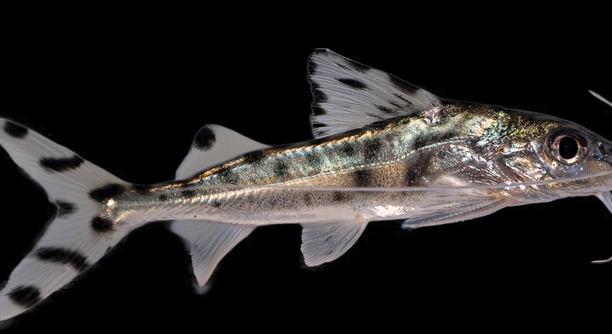
Have you ever found yourself wondering if your pictus catfish can actually feel pain or discomfort when something seems off in the tank?
Scientific studies suggest that pictus catfish possess nociceptors and exhibit stress responses, indicating they can experience forms of pain or discomfort, although their perception is likely different from that of mammals and humans.
Learning how they respond to changes in their environment can help improve their care and overall well-being in your aquarium.
How Pictus Catfish Respond to Pain and Discomfort
Pictus catfish are sensitive freshwater fish that can respond to painful or uncomfortable stimuli. Their behavior may change if they’re hurt, stressed, or sick. You might notice signs like rapid swimming, hiding more often, refusing food, or rubbing against objects in the tank. These reactions often indicate discomfort, and they’re worth paying attention to. Scientific studies have found that fish, including pictus catfish, have receptors that respond to harmful stimuli, suggesting they feel some level of pain. However, their experience isn’t the same as a human’s. Their brains process pain differently, likely in a simpler way. That said, their behavior tells us enough to understand when they’re not feeling well. Providing a low-stress, clean, and stable environment goes a long way in keeping them comfortable. Watching their behavior daily helps you catch issues early and improve their quality of life before things get worse.
Fish behavior always has a purpose. When pictus catfish act differently, there’s often a reason linked to their health or environment.
Pain responses in fish are a debated topic, but evidence continues to support the idea that pictus catfish can experience discomfort. Their reactions to injuries and poor conditions can resemble pain-related behaviors. For example, fish exposed to harmful chemicals often become less active, while those with physical injuries may avoid using a fin or may isolate themselves. These responses aren’t random; they serve to protect the fish from further harm. Pictus catfish also show signs of stress when kept in overcrowded tanks or exposed to poor water conditions. Their sensitive barbels can become damaged if the substrate is too rough, leading to discomfort and a reduced ability to navigate or find food. A fish that’s consistently hiding or not eating is likely experiencing some form of distress. Recognizing these signals helps you respond faster and keep your fish healthier for longer. Pain might not look the same in all species, but that doesn’t mean it’s not real.
Causes of Discomfort in Pictus Catfish
Poor water quality is a common reason pictus catfish experience discomfort. High ammonia, nitrite, or nitrate levels can irritate their gills and reduce oxygen intake.
Tank setup also plays a major role in their comfort. Pictus catfish need plenty of space, smooth surfaces, and hiding spots to feel secure. Crowded tanks or rough substrates can harm their bodies and lead to stress or injury. Water temperature and pH should stay stable, as sudden changes affect their immune system. Sharp decorations can damage their skin or fins, especially during their active swimming periods. They are nocturnal and prefer dim lighting, so bright conditions for long hours may cause discomfort. Loud vibrations or frequent movement around the tank can make them feel unsafe. Regular tank maintenance, proper filtration, and suitable tank mates reduce potential problems. Paying attention to small details in your tank setup helps prevent long-term health issues and ensures your pictus catfish stay calm, active, and healthy in their environment.
How to Tell If Your Pictus Catfish Is in Pain
Changes in behavior are often the first signs of pain. If your pictus catfish starts swimming erratically, hiding more than usual, or refusing food, these can all be signals of discomfort or stress in their environment.
A healthy pictus catfish is usually active at night, social with tank mates, and alert to movement. When these behaviors shift—like isolating themselves, avoiding food, or rubbing against surfaces—it could mean they’re feeling unwell. You may also notice redness on their body, frayed fins, or damaged barbels, which can indicate injury or irritation. Sluggish movement or excessive gasping near the water surface can also point to poor water quality or gill irritation. These signs should not be ignored, as early detection of pain allows for quicker treatment and better outcomes. Observing your fish daily will help you spot issues sooner and adjust their care before things get worse.
Keep an eye on how your fish reacts to tank maintenance, feeding, or even lighting changes. If they suddenly dart away when the lights turn on, or hide for long periods after a water change, it may be a stress response. Similarly, if they seem uninterested in food or are not competing for it like they used to, something may be wrong. Pictus catfish are hardy, but their signs of distress can be subtle. Always check water parameters first, then inspect their tank for anything sharp or out of place. Gentle filtration, smooth décor, and a clean environment help reduce their stress levels. The more time you spend observing their normal behavior, the easier it becomes to notice when something isn’t right.
What You Can Do to Keep Them Comfortable
Stable water conditions, proper tank size, and safe hiding spots are key to keeping pictus catfish comfortable. Avoid sharp décor and rough gravel, and monitor temperature, ammonia, and nitrate levels regularly to prevent stress-related problems.
Pictus catfish thrive in tanks that are large enough to allow them to swim freely. A minimum of 55 gallons is ideal for a small group, as it helps reduce aggression and gives them room to move. Use soft, sandy substrate to protect their barbels and avoid injuries. Decorations should be smooth and placed in a way that offers hiding spaces without limiting swimming paths. Keep the water temperature steady between 75–81°F and test your water weekly to catch any imbalances early. Avoid sudden changes in lighting or loud noises around the tank. These fish are sensitive to disruptions, and even small environmental stressors can impact their health. A calm, well-maintained setup is essential for their long-term well-being.
Common Mistakes That Lead to Discomfort
Overcrowding is a major issue. Pictus catfish need space to swim freely, and placing them in a small tank creates stress and aggression. Limited room also leads to poor water quality more quickly.
Another common mistake is using rough or sharp decorations. These fish have sensitive barbels that can get injured easily. Choose smooth décor and soft substrates to prevent harm.
How Diet Affects Their Comfort
Feeding your pictus catfish a balanced diet plays an important role in their overall comfort. They are omnivorous and need a mix of sinking pellets, protein-rich foods like bloodworms, and occasional vegetables. Poor diets can lead to digestive issues or weakened immune systems. Make sure food sinks quickly, as they feed near the bottom. Avoid overfeeding since it dirties the tank and causes water quality issues. Feed them at night when they are most active. A varied, nutrient-rich diet not only supports their health but also helps maintain their natural energy levels. Observing how they eat also gives insight into how they’re feeling.
When to Get Help
If your pictus catfish shows ongoing signs of stress, like refusal to eat or damaged fins, it’s best to consult an aquatic veterinarian.
FAQ
Can pictus catfish feel pain like mammals do?
Pictus catfish have nervous systems that detect harmful stimuli, suggesting they can feel pain or discomfort. However, their experience of pain is likely simpler and different from mammals. Their brain structure does not process pain with the same complexity. Still, their behaviors—like avoiding injury and showing stress—indicate they react to unpleasant sensations.
What are common signs that my pictus catfish is in pain or discomfort?
Look for changes in swimming patterns, such as erratic movement or hiding more than usual. Loss of appetite, rubbing against tank surfaces, damaged barbels, and frayed fins also suggest discomfort. Gasping at the water surface or lethargy can be signs of poor water quality affecting their health.
How can I reduce stress for my pictus catfish?
Maintain stable water conditions by regularly testing and adjusting temperature, pH, and ammonia levels. Provide a spacious tank with smooth substrate and plenty of hiding spots. Avoid overcrowding and aggressive tank mates. Keep lighting soft and avoid sudden loud noises around the tank.
Is it okay if my pictus catfish rubs against objects in the tank?
Occasional rubbing can be a natural behavior to remove parasites or clean themselves. However, frequent rubbing may indicate irritation or discomfort from poor water quality or infections. Check water parameters and inspect your fish for signs of illness if rubbing increases.
Can sharp decorations hurt pictus catfish?
Yes, sharp or rough decorations can injure their sensitive barbels and skin. This can cause pain and increase the risk of infections. Use smooth rocks, driftwood, and soft substrate to protect your fish from injury.
How important is diet for pictus catfish comfort?
Diet is very important. Feeding a balanced diet with sinking pellets, live or frozen protein, and occasional vegetables supports their health. Poor nutrition can weaken their immune system and cause discomfort. Avoid overfeeding to keep water clean and reduce stress.
How often should I clean the tank to prevent discomfort?
Regular tank maintenance is key. Partial water changes of 20-30% weekly help maintain water quality. Remove uneaten food and debris promptly. Clean filters monthly but avoid replacing all filter media at once to preserve beneficial bacteria.
What temperature is best for pictus catfish?
Keep the tank temperature between 75 and 81°F (24–27°C). Sudden changes outside this range can stress the fish and lead to discomfort or illness. Use a reliable heater and thermometer to maintain stable temperatures.
Can overcrowding cause pain or discomfort?
Overcrowding leads to poor water quality, aggression, and stress, all of which cause discomfort. Pictus catfish need space to swim and hide. Provide at least 55 gallons for a small group to keep them comfortable and healthy.
When should I see a vet about my pictus catfish?
If your fish shows persistent signs of illness, such as refusing food, constant hiding, physical injuries, or labored breathing, seek advice from an aquatic veterinarian. Early treatment improves chances of recovery and reduces pain.
Pictus catfish are fascinating fish that show signs of feeling pain or discomfort through their behavior. While their experience of pain is not the same as in humans or mammals, research indicates they have the ability to sense harmful stimuli and respond accordingly. This means their wellbeing depends on careful attention to their environment and health. Observing changes in how they swim, eat, or interact with their surroundings can give important clues about their condition. Understanding these signs helps ensure they live comfortably and stay healthy in your care.
Creating a comfortable environment for pictus catfish is essential to minimizing pain or discomfort. This includes maintaining good water quality with stable temperature and pH, providing enough space for swimming, and using smooth decorations to protect their delicate barbels. Overcrowding or sudden changes in tank conditions cause stress, which can lead to health problems and discomfort. Feeding a balanced diet suitable for their needs also supports their overall health and resilience. Simple steps like regular water testing, proper tank maintenance, and monitoring fish behavior make a big difference in keeping your pictus catfish comfortable.
Taking the time to learn about the needs of pictus catfish shows care and respect for their wellbeing. Although they cannot express pain in ways humans easily understand, their behavior speaks volumes when closely observed. Acting on early signs of discomfort prevents serious health issues and helps your fish enjoy a better quality of life. In the end, being a responsible caretaker means providing an environment where pictus catfish can thrive, free from unnecessary pain or stress. This approach benefits both the fish and the aquarium experience overall.

Hello,
If you enjoy the content that we create, please consider saying a "Thank You!" by leaving a tip.
Every little bit helps us continue crafting quality advice that supports the health, happiness, and well-being of pets around the world, for pets of all shapes, sizes, and species.
We really appreciate the kindness and support that you show us!