
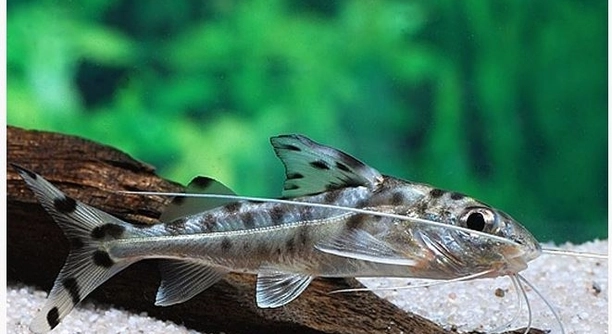
Are your Pictus catfish showing signs of stress, or are you finding their care routine harder than expected to manage daily?
The easiest way to make Pictus catfish care more manageable is by using specific tools designed to simplify aquarium maintenance. These tools support consistent water quality, reduce manual effort, and help promote a stable, healthy environment for your fish.
From monitoring temperature to keeping the tank clean and feeding on schedule, these tools can change how you care for your Pictus catfish.
A Reliable Water Testing Kit
Keeping track of water quality is one of the most important parts of caring for Pictus catfish. A reliable water testing kit makes this easier by helping you check ammonia, nitrites, nitrates, and pH regularly. Poor water conditions can cause stress and illness in your fish, so testing often allows you to make quick adjustments. Liquid test kits tend to be more accurate than test strips, and they last longer too. Once you get used to using them, the process becomes part of your weekly routine. This simple tool gives you peace of mind and helps maintain a safe, healthy tank.
Using a good testing kit reduces the risk of sudden changes in water quality that can harm your fish.
Some brands even offer digital test meters, but basic liquid kits are often more than enough. They’re easy to use, and the results are clear. Test your water weekly, especially after a water change.
An Automatic Fish Feeder
An automatic feeder helps keep feeding times consistent when you are busy or away. These devices allow you to set a schedule and portion size, so your Pictus catfish are always fed properly.
Feeding your Pictus catfish the right amount at the right time is key to their overall health. Overfeeding can lead to water issues, and underfeeding may weaken them. Automatic feeders offer a steady routine without stress or extra effort. Most models let you adjust settings for different types of food and feeding times. Some even have moisture control to keep the food dry and fresh. This tool also helps prevent missed meals and cuts down on waste in the tank. It’s ideal if you work long hours or travel often. Once installed, the feeder does the job reliably, so you don’t have to worry. It’s one of the simplest ways to make daily care easier and more consistent.
A Gravel Vacuum
A gravel vacuum helps remove debris and leftover food from the substrate, keeping the tank clean without disturbing the fish. It also helps prevent harmful buildup that can affect water quality and stress your Pictus catfish.
Manual siphon gravel vacuums are simple to use and effective for weekly cleanings. They allow you to remove debris during water changes, making both tasks quicker and more efficient. For deeper tanks or larger setups, battery-operated or electric gravel vacuums save even more time. These tools help reduce ammonia spikes caused by decaying waste and uneaten food hiding in the gravel. Cleaning the substrate regularly with a gravel vacuum also lowers the risk of bacterial issues and bad odors. It’s a small effort that makes a big difference in tank health.
Try to clean different sections of the substrate each time instead of doing it all at once. This avoids disrupting the tank too much and helps maintain a stable environment for your fish. You’ll notice your Pictus catfish stay more active and comfortable when the tank floor is clear. With regular use, this tool makes maintaining your aquarium feel less like a chore and more like a manageable part of your routine.
A Reliable Aquarium Heater
Pictus catfish need stable water temperatures between 75°F and 81°F. A reliable aquarium heater keeps the temperature consistent, even during cold nights or seasonal changes. Fluctuating temperatures can cause stress, illness, or poor appetite.
Choose a heater that matches the size of your tank and includes a built-in thermostat or external temperature control. Digital heaters give precise readings and make it easy to adjust when needed. Position the heater near the water flow so the heat spreads evenly throughout the tank. It’s also smart to pair the heater with a thermometer to monitor temperature regularly. If you live in a colder climate or your tank is in a drafty room, consider a backup heater or one with safety shutoff features. Don’t forget to check the heater periodically for dust or wear. Keeping a consistent temperature helps your Pictus catfish stay healthy, active, and stress-free throughout the year.
A Sponge Filter
A sponge filter is gentle and safe for Pictus catfish, especially in tanks with young or smaller fish. It provides both mechanical and biological filtration without creating strong currents that may stress your fish.
They’re easy to clean and won’t trap delicate fins or harm sensitive barbels. Maintenance is simple and quiet.
A Digital Thermometer
A digital thermometer allows you to monitor water temperature at a glance. It gives more accurate readings than stick-on strips and alerts you quickly if temperatures shift. Some models include alarms for temperature drops or spikes, offering extra peace of mind. Keep it placed in a visible spot for regular checks.
An Aquarium Light Timer
A light timer helps maintain a consistent day-night cycle for your Pictus catfish. It reduces stress by preventing sudden changes in lighting and helps mimic natural patterns. Most models are easy to set and plug directly into your existing tank lights.
FAQ
How often should I test my Pictus catfish tank water?
You should test your tank water once a week. This helps you catch any changes in ammonia, nitrites, nitrates, and pH before they affect your fish. It’s also important to test after water changes, when adding new fish, or if your Pictus catfish seem stressed. Regular testing prevents bigger problems later.
What type of food should I use in an automatic feeder for Pictus catfish?
Use sinking pellets or granules that are designed for bottom-dwelling fish. Pictus catfish naturally feed near the bottom of the tank, so floating food is not ideal. Make sure the pellets fit easily through your feeder’s opening and stay dry to avoid clogging. Feed only what they can finish in minutes.
How do I clean a sponge filter without damaging it?
Rinse the sponge in a bucket of old tank water, not tap water. Tap water contains chlorine, which can kill beneficial bacteria living in the sponge. Gently squeeze and swish the sponge until most debris is removed. Clean it every two to four weeks depending on how dirty it gets.
Can I use more than one heater in my tank?
Yes, using two smaller heaters is a good idea for larger tanks. This provides more even heating and acts as a backup if one fails. Place the heaters on opposite sides of the tank to balance the temperature. Always monitor with a thermometer to be sure everything stays stable.
Why is a light timer important for Pictus catfish?
Pictus catfish are mostly active at night. A timer helps give them a regular light cycle, which supports natural behavior. Sudden light changes can startle them. A timer keeps things calm and consistent. Set it for 8 to 10 hours of light each day to mimic a normal day-night rhythm.
How often should I vacuum the gravel?
Vacuum the gravel once a week, or at least every time you change the water. This removes uneaten food and fish waste that can break down and cause water issues. If you have a heavily stocked tank, you might need to clean more often to keep the bottom fresh.
Do sponge filters provide enough filtration on their own?
Yes, in many cases they do, especially for smaller tanks or tanks with a low bio-load. They offer both mechanical and biological filtration. In larger tanks, sponge filters are often used alongside other filters for added support. They’re also perfect for breeding or hospital tanks due to their gentleness.
What temperature is too low for Pictus catfish?
Temperatures below 72°F can cause stress and health issues. Pictus catfish prefer water between 75°F and 81°F. If the water drops too much, they may stop eating, become sluggish, or get sick. A good heater and thermometer will help you prevent dangerous temperature dips.
Can I use a gravel vacuum in a planted tank?
Yes, but be gentle around plant roots. Focus on open areas and avoid disturbing rooted plants too much. In planted tanks, waste tends to build up in certain spots. Use a narrow gravel vacuum if needed. Some aquarists even stir the top layer lightly and siphon floating debris.
Is a digital thermometer better than stick-on thermometers?
Yes, digital thermometers are more accurate and easier to read. Stick-on strips can be affected by room temperature and give less precise readings. A digital model with a probe placed in the water will give you a clearer idea of the actual tank conditions, which is better for your fish’s safety.
Final Thoughts
Caring for Pictus catfish doesn’t need to feel overwhelming. With the right tools, your daily and weekly tasks become much easier to manage. Items like a sponge filter, gravel vacuum, digital thermometer, and automatic feeder all play a role in keeping your fish healthy and your tank stable. These tools support your efforts by helping you stay consistent and avoid common problems. While each one serves a different purpose, they all work together to create a clean, safe, and balanced environment for your catfish. Using these tools also saves time, which makes the care process more enjoyable and less stressful.
Simple tools can make a big difference in how your tank runs. A heater with a good thermostat keeps your Pictus catfish safe from temperature swings. A test kit helps you catch water issues early. A light timer keeps their routine steady. These small changes lead to better long-term results. You’ll likely notice that your fish are more active, less stressed, and better overall when their care is handled in a steady, reliable way. Many of these tools only need to be set up once or checked occasionally. That makes them ideal for busy schedules or anyone new to fishkeeping.
When caring for Pictus catfish, the goal is to keep their environment as close to natural as possible while still making it easy for you to maintain. A good setup includes consistent lighting, warm temperatures, clean water, and stable feeding habits. Each of the tools listed in this article supports one or more of those needs. They are not just for convenience—they help protect the health and behavior of your fish. With regular use, they’ll reduce problems like cloudy water, ammonia spikes, or stressed fish. Investing in a few quality tools can make your experience smoother and your catfish more comfortable in their home. Keep things simple, stay consistent, and enjoy the process.

Hello,
If you enjoy the content that we create, please consider saying a "Thank You!" by leaving a tip.
Every little bit helps us continue crafting quality advice that supports the health, happiness, and well-being of pets around the world, for pets of all shapes, sizes, and species.
We really appreciate the kindness and support that you show us!