
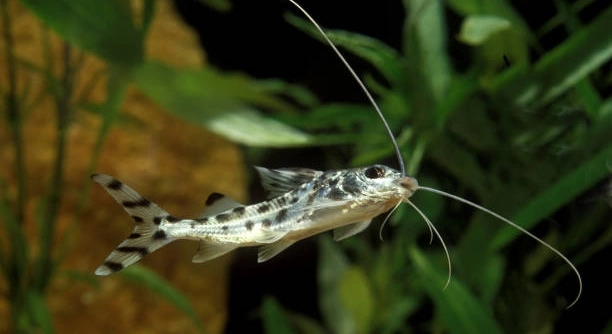
Are your pictus catfish showing little interest in the filter flow? Many aquarists notice this behavior and wonder what it means for their fish’s comfort. Understanding this habit can improve your tank’s environment and your fish’s wellbeing.
Pictus catfish often avoid strong filter flow because they prefer calmer waters. High flow can cause stress, making them seek quieter areas. This behavior is natural and indicates their need for a balanced tank current that suits their swimming style.
Learning about pictus preferences will help you create a more comfortable habitat. Adjusting flow and tank layout can lead to a happier, healthier fish.
Understanding Your Pictus’ Habitat Needs
Pictus catfish naturally live in rivers with varying water currents. In the wild, they find calm spots where the flow is gentle, allowing them to rest and avoid strong water pressure. When kept in an aquarium, they look for similar conditions. If your tank’s filter creates a strong current, your pictus may avoid those areas because it tires them out or feels uncomfortable. They prefer spots with lower flow where they can conserve energy and swim easily. Observing where your pictus spends most of its time can help you understand if the flow is too strong. It’s also important to provide hiding places, such as plants or rocks, where the fish can retreat. Creating a balanced environment with varied water movement can keep your pictus healthy and reduce stress.
Providing gentle flow mimics their natural habitat and promotes their wellbeing.
Finding the right balance between water movement and calm areas is key to keeping your pictus comfortable and active in the tank.
Adjusting Filter Flow for Comfort
To reduce strong currents, consider using a filter output diffuser or directing the flow toward the tank’s sides or surface. These methods lower the direct pressure in swimming areas. Sometimes, using a sponge filter alongside a main filter helps create softer currents. Regular observation is crucial: if your pictus spends most of its time hiding or struggling against the flow, adjustments are needed. Keep in mind that too little movement can harm water quality, so balance is necessary. Changing the tank’s layout by adding plants, driftwood, or caves can create flow breaks, making the environment more inviting. These adjustments help the fish feel safe and encourage natural behavior, such as feeding and exploring.
Creating a comfortable current not only supports your pictus’ health but also improves the tank’s overall ecosystem by promoting good water circulation and oxygenation.
Common Signs Your Pictus Is Avoiding Filter Flow
When your pictus avoids the filter flow, you may notice it staying near the tank bottom or corners where water movement is weaker. It might also hide more often behind decorations or plants. Reduced activity and sluggish swimming are additional signs. These behaviors indicate discomfort with strong currents and a need for calmer areas in the tank.
If your pictus is constantly hiding or resting in low-flow zones, it is likely trying to avoid stressful water conditions. You might see it dart quickly to calmer spots when swimming near the filter. These signs suggest the current is too strong for its preference. Adjusting the filter flow or repositioning the outlet can help your fish feel more at ease. Monitoring these behaviors over time gives a clearer picture of your pictus’ comfort level.
Providing plenty of hiding spots near gentle currents can encourage your pictus to explore more and reduce stress caused by strong flow. This balance helps the fish stay active and healthy.
How Tank Setup Influences Filter Flow
The size and shape of your aquarium affect how water moves inside. A tall tank may create stronger downward currents near the filter output, while a wide, shallow tank usually has gentler surface flow. Decorations and plants also influence water circulation by breaking up currents and creating calm zones. Properly placing rocks, driftwood, or plants near the filter can help reduce direct flow pressure.
Choosing the right filter size and type is important too. Overpowered filters create harsh currents, which pictus find uncomfortable. Sponge filters or adjustable powerheads offer more control over flow strength. The combination of tank shape, decorations, and filter type sets the overall water movement pattern. Taking time to arrange your tank for balanced flow benefits your pictus and other species sharing the environment.
Adapting your tank setup to your pictus’ needs supports their natural behavior and makes the aquarium a more peaceful space for all its inhabitants.
Impact of Water Quality on Pictus Behavior
Poor water quality can cause your pictus to avoid the filter flow. High levels of waste or ammonia create stress, making fish less active and more likely to hide. Clean, well-maintained water encourages natural behavior and proper swimming patterns.
Regular water changes and proper filtration keep the environment healthy. When water conditions are stable, pictus feel safer and more comfortable moving through different parts of the tank, including near the filter flow.
Feeding Habits and Filter Flow
Strong currents can make feeding difficult for pictus catfish. They prefer calm areas where food settles instead of being swept away. Adjusting the flow can improve feeding success and reduce wasted food.
Feeding near calmer spots helps your pictus get enough nutrition without extra effort swimming against the current.
Tankmates and Flow Preferences
Other fish species in the tank may also influence your pictus’ behavior around the filter flow. Active or aggressive tankmates can push pictus into quieter, low-flow corners to avoid confrontation.
Providing enough space and hiding spots reduces stress and helps pictus maintain comfort despite tankmate dynamics.
FAQ
Why does my pictus avoid the filter flow even after I reduce it?
Sometimes, pictus catfish avoid the filter flow because of stress from other factors like water quality, tankmates, or lighting. Even if the current is gentle, poor water conditions or aggressive fish can make them hide in low-flow areas. Make sure the water is clean, parameters are stable, and the tank setup offers plenty of hiding spots. Observing all these factors together will help your pictus feel more comfortable near the filter flow.
Can a pictus catfish get sick from strong currents?
Yes, strong currents can cause stress, which weakens the immune system and makes pictus more prone to illness. Constantly swimming against harsh flow tires them out and can lead to injuries or infections. A calmer environment reduces stress, promoting better health and a longer life.
How can I adjust my filter to suit my pictus’ needs?
You can redirect the filter output using a spray bar or attach a flow diffuser to spread water gently. Position the outlet toward the tank’s surface or sides to lessen direct pressure. Sometimes, adding plants or decorations near the filter breaks up the current naturally. Try lowering the filter’s power if it has adjustable settings. These steps create a flow that is strong enough for water circulation but gentle enough for your pictus.
Is it okay to have a sponge filter in a pictus tank?
Sponge filters are excellent for pictus tanks because they produce gentle water movement and offer biological filtration. They create calm zones that pictus prefer and do not disturb the fish with strong currents. Sponge filters are also easy to maintain and safe for young or small fish. Combining a sponge filter with a main filter can balance flow and keep water quality high.
How often should I clean my filter to keep the flow comfortable?
Cleaning the filter every 3 to 4 weeks is generally a good routine, but it depends on your tank size and fish load. A clogged filter output can reduce flow, but dirty filter media also harm water quality. Rinse filter sponges or cartridges gently with tank water to preserve beneficial bacteria. Maintaining a clean filter ensures steady, healthy flow without sudden changes that might stress your pictus.
Can tank decorations affect how my pictus reacts to filter flow?
Yes, decorations like rocks, driftwood, and plants help break strong currents into softer flows. These items create calm areas and hiding spots that pictus enjoy. Without decorations, water may flow too freely, forcing your fish to avoid certain parts of the tank. Rearranging or adding decorations can improve flow distribution and encourage your pictus to explore more.
Will reducing filter flow harm tank water quality?
Reducing flow too much can lead to poor water circulation, which affects oxygen levels and waste removal. It’s important to find a balance where the flow is gentle but still effective. Using multiple filtration types or spreading the flow output across the tank can maintain water quality while keeping currents comfortable for your pictus.
Why does my pictus hide more when the filter is on?
If your pictus hides when the filter runs, the flow might be too strong or the noise is stressing them. Some filters create vibrations or sound that fish dislike. Check the filter placement and consider quieter or adjustable models. Adding plants or decorations near the filter outlet can reduce both current and noise impact.
Are there filter types better suited for pictus catfish?
Sponge filters and canister filters with adjustable flow rates are often preferred for pictus tanks. They provide efficient filtration without creating harsh currents. Hang-on-back filters may be too strong unless modified with diffusers or spray bars. Choosing a filter type that allows control over flow strength benefits pictus comfort.
How do I know if my pictus is stressed because of filter flow?
Signs of stress include hiding frequently, reduced activity, erratic swimming, and loss of appetite. If your pictus avoids areas near the filter or struggles to swim, the flow might be causing discomfort. Monitoring behavior closely helps you decide if adjustments are needed. A relaxed, healthy pictus will swim calmly through different tank areas and respond well to feeding times.
Finding the right balance of filter flow in your pictus catfish tank is essential for keeping your fish comfortable and healthy. These fish naturally prefer calmer waters and tend to avoid strong currents that tire them out or cause stress. By observing how your pictus behaves around the filter, you can learn a lot about what kind of water movement suits them best. If you notice your fish hiding in low-flow areas or avoiding the filter output, it’s a clear sign that adjustments are needed. Making simple changes to reduce or redirect the flow can improve their quality of life significantly.
The setup of your aquarium plays a big role in how water moves inside the tank. Factors like tank size, shape, decorations, and filter type affect the current your pictus experiences daily. Adding plants, rocks, or driftwood near the filter can break up strong water movement and create peaceful spots for your fish to rest. Using a sponge filter or a flow diffuser can also help produce gentler currents that suit the pictus’ natural behavior. It’s important to remember that maintaining good water quality through regular cleaning and proper filtration is just as important as adjusting flow. Healthy water helps reduce stress and encourages your pictus to explore the entire tank.
Your pictus catfish’s comfort depends on a combination of factors including filter flow, tank environment, water quality, and tankmates. Paying close attention to their behavior and making necessary adjustments helps create a calm and safe space for them to thrive. Finding this balance may take time, but it is worth the effort for the well-being of your fish. With the right flow and tank setup, your pictus can swim freely, feed easily, and enjoy a healthier life in your aquarium.

Hello,
If you enjoy the content that we create, please consider saying a "Thank You!" by leaving a tip.
Every little bit helps us continue crafting quality advice that supports the health, happiness, and well-being of pets around the world, for pets of all shapes, sizes, and species.
We really appreciate the kindness and support that you show us!