
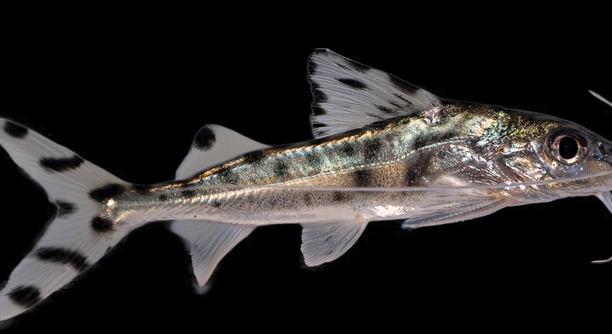
Many people enjoy keeping pictus catfish in their home aquariums because of their peaceful nature and interesting behavior. Feeding these fish properly is important to keep them healthy and active. Knowing how often to feed them can help avoid common problems.
Pictus catfish should generally be fed once or twice daily, offering only the amount they can consume within a few minutes. Overfeeding can lead to water quality issues and health problems, so portion control is essential for their well-being.
Proper feeding habits support a healthy aquarium environment and ensure your pictus catfish thrive. This article will guide you through the best practices for feeding these unique fish.
Understanding Pictus Catfish Feeding Habits
Pictus catfish are bottom dwellers that mostly feed during the evening or at night. In their natural habitat, they eat small insects, larvae, and plant matter. Because of this, their feeding in captivity should mimic these habits to keep them comfortable. Overfeeding is a common mistake and can cause leftover food to pollute the tank, which affects water quality. These catfish prefer small amounts of food that sink quickly, such as sinking pellets or frozen bloodworms. It’s important to monitor how much your fish eat during each feeding and adjust portions as needed. Feeding once or twice daily is usually enough, but if the fish are very active or young, slightly more frequent feeding may be appropriate. A clean tank helps keep pictus catfish healthy and stress-free, so removing uneaten food quickly is recommended.
Feeding your pictus catfish the right types of food at the right times keeps them active and healthy.
Consistent feeding schedules help pictus catfish develop natural behaviors, reduce stress, and maintain good water conditions. Adjust feeding frequency if you notice leftovers or changes in appetite. Watching their eating habits closely allows for better care and a longer life for your fish.
Signs of Overfeeding and Underfeeding
Overfeeding pictus catfish often leads to uneaten food accumulating at the bottom of the tank, which can cause water to become cloudy and increase harmful bacteria. These conditions can lead to health problems for your fish. On the other hand, underfeeding results in slow growth and weakened immune systems, making the fish more vulnerable to disease. It is important to find a balance by observing your fish daily. Feeding too much or too little can both negatively affect their well-being. Watching how much they eat in a short time will help you understand the correct amount to feed. Maintaining a stable feeding routine and monitoring the fish’s condition regularly ensures their diet supports healthy development and longevity. Proper nutrition is key to keeping pictus catfish thriving in a home aquarium.
Best Foods for Pictus Catfish
Pictus catfish thrive on a diet that includes sinking pellets, frozen or live bloodworms, and small insects. These foods match their natural eating habits and provide the nutrients they need.
High-quality sinking pellets are ideal because they reach the bottom quickly, where pictus catfish feed. Bloodworms and small insects add variety and protein, helping keep your fish healthy. Live foods encourage natural hunting behavior, which can reduce stress. Avoid floating flakes or food that stays at the surface since pictus catfish rarely feed there. Fresh or frozen options also ensure your fish get essential vitamins. Feeding a varied diet improves their color and activity.
It’s important to avoid overfeeding with any type of food. Too much uneaten food can cause water pollution and lead to disease. Feed only what your catfish can eat in a few minutes to maintain tank health and fish well-being.
Feeding Frequency Tips
Pictus catfish usually do well with one to two feedings a day, depending on their age and activity level. Younger fish or very active individuals may require more frequent meals.
Feed small amounts to prevent leftovers and keep the water clean. Watching your fish eat helps you determine the right portion size. Remove uneaten food promptly to avoid water quality issues. Adjust feeding times to when your catfish are most active, often during the evening. Consistency helps their digestion and overall health. If you notice a change in appetite, consider altering the feeding frequency or diet. Maintaining this balance ensures a healthy environment and supports your pictus catfish’s long-term well-being.
Common Feeding Mistakes
Feeding too much is the most frequent error. It leads to leftover food that spoils water quality. Another mistake is offering only one type of food, which limits nutrition.
Ignoring your fish’s natural eating times can also cause stress. Feeding should match their active periods, usually in the evening or night.
Adjusting Feeding for Different Ages
Young pictus catfish need more frequent feeding to support growth, usually two to three times daily. Adults can thrive on one or two feedings per day. Younger fish digest food faster and require higher protein levels. As they grow, feeding amounts and frequency should be reduced gradually. Paying attention to growth stages helps prevent overfeeding or underfeeding, both of which affect health.
Monitoring Fish Behavior
Changes in behavior, like reduced activity or hiding, often indicate feeding or health issues. Watch your fish closely for signs of stress or illness related to diet.
How much should I feed my pictus catfish at each feeding?
Feed only what your pictus catfish can eat within about 3 to 5 minutes. This usually means a small pinch of sinking pellets or a few bloodworms. Overfeeding leads to leftover food that pollutes the water and harms your fish. It’s better to start with less and add more later if they finish quickly.
Can I feed pictus catfish flake food?
Flake food is not ideal because it floats on the surface, while pictus catfish feed mostly at the bottom. If you only have flakes, crush them and drop small amounts directly to the bottom, but sinking pellets or live/frozen foods are better choices.
How often should I feed baby pictus catfish?
Baby pictus catfish grow quickly and need more frequent feeding, about 2 to 3 times daily. Their small stomachs digest food faster, so feeding smaller portions more often helps their growth without overloading the tank with waste.
Is it okay to feed pictus catfish vegetables?
Yes, pictus catfish can eat small amounts of blanched vegetables like zucchini or cucumber. These provide fiber and variety, but vegetables should be given sparingly as a supplement to their protein-rich diet.
What are signs of overfeeding in pictus catfish?
Signs include leftover food in the tank, cloudy water, and sluggish or bloated fish. Overfeeding can cause swim bladder problems and other health issues. If you notice these signs, reduce the food amount and improve tank cleaning.
Can pictus catfish eat live food?
Live food like bloodworms or brine shrimp is excellent for pictus catfish. It encourages natural hunting behavior and provides fresh nutrients. However, ensure the live food is from a trusted source to avoid introducing diseases.
Should I feed pictus catfish every day?
Feeding once or twice daily is usually enough. Some keepers occasionally skip a day to avoid overfeeding, but regular daily feedings help maintain their energy levels. Consistency is important to prevent stress.
How do I know if my pictus catfish is hungry?
Hungry pictus catfish become more active, searching the tank bottom for food. They may swim closer to the glass when you approach. If they ignore food or hide, they might be stressed or sick rather than hungry.
Can I feed pictus catfish sinking wafers?
Yes, sinking wafers are a good option, especially those designed for bottom feeders. They dissolve slowly and are less likely to cloud the water. Choose wafers that contain balanced nutrients suitable for catfish.
What should I do with uneaten food?
Remove any uneaten food after feeding time to prevent it from decaying and polluting the water. Use a small net or siphon to clean leftovers. Keeping the tank clean helps maintain healthy water parameters and fish health.
Is it harmful to feed pictus catfish too rarely?
Feeding too rarely can weaken your fish, slowing growth and making them vulnerable to disease. While they can survive short fasting, regular feeding is necessary for good health and energy.
Can I feed my pictus catfish human food?
Avoid feeding human food as it can upset their digestion and lacks necessary nutrients. Stick to fish-safe foods like pellets, frozen bloodworms, and occasional vegetables.
Do pictus catfish need supplements in their diet?
If you provide a varied diet with quality pellets and live or frozen foods, supplements are usually unnecessary. However, vitamin-enriched foods can be given occasionally for extra health support.
How important is feeding routine for pictus catfish?
A consistent feeding routine reduces stress and improves digestion. Pictus catfish thrive when fed at the same times each day, allowing their bodies to adapt and function well.
What should I do if my pictus catfish refuses to eat?
Check water quality and tank conditions first, as poor environment causes stress and loss of appetite. Try offering different food types or feeding at a different time, preferably when the tank is dimly lit.
Can pictus catfish eat pellets meant for other fish?
They can eat pellets made for bottom feeders or carnivorous fish, but avoid those with large sizes or inappropriate ingredients. Small sinking pellets designed for catfish are the best choice.
Feeding pictus catfish correctly is important for their health and happiness. These fish are bottom feeders that need the right types and amounts of food to thrive. Feeding them once or twice a day with sinking pellets, live or frozen bloodworms, and occasional vegetables works best. Overfeeding can harm the water quality and the fish themselves, so it is important to offer only what they can eat in a few minutes. Watching how much your fish eat will help you avoid feeding too much or too little.
It is also important to pay attention to your pictus catfish’s behavior. Healthy fish are active during feeding times and will quickly eat the food offered. If they start to hide or lose interest in food, it may be a sign of stress or illness. In that case, check the water quality and feeding habits. Keeping the tank clean by removing leftover food helps prevent problems with water pollution and fish health. A good feeding routine combined with regular tank maintenance will support your catfish’s long-term well-being.
Every pictus catfish is a little different, so it can take time to find the right feeding schedule and food types that work best. Adjust feeding amounts based on their size, age, and activity level. Younger fish usually need more frequent feedings, while adults do well with less food. Providing variety in their diet not only meets their nutritional needs but also keeps them interested in eating. With careful attention and simple feeding habits, your pictus catfish will stay healthy and add life to your aquarium for years to come.

Hello,
If you enjoy the content that we create, please consider saying a "Thank You!" by leaving a tip.
Every little bit helps us continue crafting quality advice that supports the health, happiness, and well-being of pets around the world, for pets of all shapes, sizes, and species.
We really appreciate the kindness and support that you show us!