
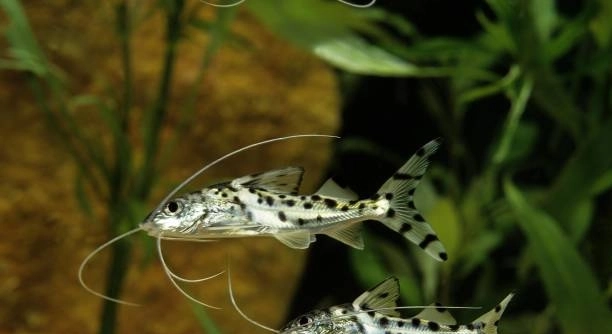
Pictus catfish are known for their shy nature and tendency to stay hidden for long periods. Many owners notice their catfish spending most of the day tucked away in caves or under decorations. This behavior is common and often misunderstood.
Pictus catfish hide primarily due to their natural instincts to avoid predators and feel secure in their environment. Stress, water conditions, or lack of proper hiding spots can also influence this behavior, leading them to seek shelter frequently.
Understanding why your pictus catfish hides can help improve its comfort and well-being in your aquarium. The following information explains the main causes and offers helpful tips for a happier fish.
Natural Instincts and Environment
Pictus catfish are naturally cautious animals that rely on hiding to feel safe. In the wild, they avoid predators by staying close to rocks, plants, and other hiding places. In an aquarium, they continue this behavior by seeking spots where they can rest without being disturbed. Providing caves, driftwood, or dense plants helps satisfy this need. If their environment feels too open or bright, they will hide more often. It’s also important to maintain stable water conditions since sudden changes can cause stress, making your catfish retreat even more. When comfortable, pictus catfish will explore more and be active during dawn and dusk, which are their natural feeding times. Adjusting lighting and adding hiding places encourages them to feel more secure and visible.
Stress is a common reason pictus catfish hide for long periods. Quiet surroundings and regular feeding schedules reduce stress and promote activity.
Offering a balanced setup with gentle lighting and plenty of cover creates a safer space. This balance helps your fish show its natural personality and remain healthier overall.
Water Quality and Health Factors
Poor water quality can make pictus catfish feel unsafe, causing them to hide frequently. These fish need clean, well-oxygenated water with proper pH and temperature levels. High ammonia, nitrite, or nitrate levels can harm their health and increase stress, making hiding their way to cope. Regular water changes, good filtration, and monitoring water parameters keep the tank environment healthy. Signs of illness or discomfort, such as faded color or erratic swimming, also cause hiding. If you notice these signs, it’s important to test water quality and consult care guides or professionals. A clean, stable environment not only reduces hiding but also supports your catfish’s long-term health and well-being.
Hiding can be a sign your catfish needs better water conditions or medical care.
Keeping a consistent cleaning routine and watching for health issues ensures your pictus catfish stays comfortable and active. It also helps you catch problems early, making your aquarium a happier place for all its inhabitants.
Feeding Habits and Activity Patterns
Pictus catfish are most active during low light, like early morning or late evening. Their hiding during the day is normal and helps them feel safe. Feeding them at these times encourages natural behavior and less hiding.
These fish prefer live or frozen foods such as bloodworms or brine shrimp. They may ignore dry flakes, especially when stressed or hiding. Offering a varied diet keeps them interested and healthier. If feeding only during the day, they might remain hidden, waiting for a safer time to eat. Adjusting feeding times to match their active periods can help them come out more often. Observing their activity around feeding times gives clues about their comfort level and health.
It’s important to avoid overfeeding, which can pollute the water and worsen hiding behavior. Small, frequent meals during their active periods work best. Watching your catfish respond to feeding helps build trust and reduces hiding gradually.
Tank Setup and Compatibility
A tank with plenty of hiding places and gentle lighting suits pictus catfish well. They need spots to retreat without feeling trapped. Too much open space or bright light causes stress and increases hiding.
Tankmates also influence their comfort. Aggressive or fast fish may intimidate pictus catfish, causing them to hide more. Choosing peaceful, similar-sized species reduces stress and encourages activity. Avoid overcrowding, which leads to competition and less security. A well-planned tank setup supports natural behavior and helps the catfish feel at ease. Pay attention to how they interact with other fish and adjust if needed. This improves the overall aquarium balance and makes your fish more visible during the day.
Lighting Conditions
Pictus catfish prefer dim lighting, which makes them feel safer and less exposed. Bright or direct light often causes them to hide more frequently. Using subdued or adjustable lighting helps create a comfortable environment for them.
Providing shaded areas with plants or decorations softens the light. This gives the catfish places to rest without feeling threatened, encouraging more visible activity.
Tank Size and Space Needs
A spacious tank with enough room to swim and hide reduces stress for pictus catfish. Small or overcrowded tanks limit their movement and increase hiding behavior. Providing adequate space supports their natural swimming patterns and well-being.
Behavioral Signs to Watch For
Changes in hiding habits can signal health or environmental problems. If your catfish suddenly hides more or less, it may indicate stress, illness, or poor water conditions. Monitoring these behaviors helps you respond promptly and keep your fish healthy.
Creating a Safe Habitat
Ensure your aquarium has plenty of hiding spots like caves, plants, and driftwood. This setup reduces stress and encourages natural behavior. A safe habitat helps pictus catfish feel secure and less likely to stay hidden all day.
FAQ
Why does my pictus catfish hide all the time?
Pictus catfish hide mainly because they are naturally shy and cautious fish. They feel safer when they have places to retreat to. Bright light, sudden movements, or loud noises can make them nervous. Stress, poor water quality, or lack of hiding spots also lead them to stay hidden more often. This is a normal behavior for pictus catfish, especially during the day when they prefer to rest.
Is it normal for pictus catfish to be nocturnal?
Yes, pictus catfish are naturally more active during low light periods, such as dawn, dusk, or nighttime. Their hunting and social behaviors mostly happen when it’s darker, which helps them avoid predators. During the day, they usually stay hidden to feel safe. Adjusting your feeding times to early morning or late evening can help match their natural activity.
How can I encourage my pictus catfish to come out more?
Providing plenty of hiding places and dim lighting helps your catfish feel secure. Feeding during their active hours also encourages them to explore. Avoid sudden changes in water or tank setup that can stress them. Keeping a calm environment without loud noises or fast fish will make them more comfortable. Patience is important, as pictus catfish take time to trust their surroundings.
What kind of hiding spots do pictus catfish prefer?
They like caves, hollow logs, dense plants, and shaded areas where they can feel sheltered. Smooth rocks or driftwood also make good hiding places. Avoid sharp or rough decorations to prevent injury. Creating multiple options gives your catfish choice and comfort, helping reduce stress and hiding time.
Can poor water quality cause my pictus catfish to hide more?
Absolutely. High ammonia, nitrite, nitrate levels, or improper pH and temperature cause stress and discomfort. Hiding is a way for the fish to cope with these conditions. Regular water testing and maintenance are key to keeping the environment healthy. Clean water supports their immune system and encourages normal behavior.
Are pictus catfish social or solitary fish?
They are social and prefer to live in groups of at least three or more. Being alone can make them feel insecure and increase hiding. Group living helps them feel safer and more confident. However, overcrowding should be avoided to prevent stress and competition for space.
Can tank mates affect how much my pictus catfish hides?
Yes. Aggressive or fast-swimming fish can intimidate pictus catfish, making them retreat more often. Peaceful, similarly sized fish are better companions. Choosing compatible tank mates reduces stress and encourages natural behavior. Watch their interactions closely and separate fish if needed.
What are signs that my pictus catfish might be sick instead of just hiding?
If your catfish hides excessively and shows other symptoms like loss of appetite, faded color, rapid breathing, or unusual swimming, it could be ill. Hiding combined with these signs means it might need medical attention. Testing water quality and consulting an expert helps identify the issue early.
Is it okay if my pictus catfish only comes out at night?
Yes, this is normal for pictus catfish. They naturally prefer low-light conditions and may remain hidden during the day. Ensure they have a proper feeding schedule and a comfortable environment to keep them healthy even if they are mostly nocturnal.
How often should I clean the tank to help reduce hiding?
Regular partial water changes every one to two weeks keep water clean and reduce stress. Over-cleaning can disturb beneficial bacteria, so balance is important. Keeping the tank stable with proper filtration supports your catfish’s health and encourages more visible activity.
Can stress from handling or moving the tank cause hiding?
Yes, sudden changes or frequent handling increase stress and make pictus catfish hide more. Avoid unnecessary disturbances and give the fish time to adjust after any move or tank cleaning. A calm, stable environment helps them feel safe and reduces hiding behavior.
What temperature is best for pictus catfish to feel comfortable?
A temperature between 74°F and 79°F (23°C to 26°C) is ideal. Temperatures outside this range cause discomfort and stress, leading to more hiding. Using a reliable heater and thermometer ensures stable conditions that support healthy behavior.
Does feeding frequency affect how much my pictus catfish hides?
Yes, feeding small amounts once or twice a day during their active times helps reduce hiding. Overfeeding pollutes water and can stress fish, increasing hiding. Consistent feeding schedules also build trust and encourage your catfish to explore the tank more.
Can lighting changes improve my pictus catfish’s behavior?
Yes, softer lighting with shaded areas reduces stress and encourages your catfish to be more active. Using a timer to simulate natural day-night cycles helps regulate their behavior. Sudden bright lights or leaving lights on all day increase hiding.
How long do pictus catfish usually hide after being introduced to a new tank?
They often hide for several days to a week while adjusting to new surroundings. This is normal as they assess safety. Providing ample hiding spots and maintaining good water quality helps speed up their comfort and encourages earlier exploration.
Are there any signs that hiding is harmful or excessive?
If your catfish hides constantly without eating or shows physical signs of illness, hiding may be a sign of deeper problems. Prolonged hiding without normal activity reduces their quality of life. It’s important to check water conditions, tank mates, and health regularly.
Final Thoughts
Pictus catfish are naturally shy creatures that rely on hiding to feel safe and secure. Their tendency to stay hidden during the day is a normal part of their behavior. They use hiding spots as protection from perceived threats and bright lighting, which can make them feel vulnerable. Understanding this natural instinct helps set realistic expectations for how often your catfish will be visible. Creating a comfortable environment with plenty of hiding places, gentle lighting, and proper water conditions encourages your fish to feel more at ease and reduces excessive hiding.
It is important to remember that many factors influence how much your pictus catfish hides. Water quality plays a key role, as poor conditions cause stress and discomfort that lead to retreating behavior. Tank size and compatibility with other fish also matter. Overcrowded tanks or aggressive tank mates cause insecurity and increase hiding. Feeding routines aligned with their natural activity times can make a difference in encouraging more activity and less hiding. Each of these aspects contributes to your catfish’s overall health and comfort in the aquarium.
Being patient and attentive to your pictus catfish’s needs is essential. They may take time to adjust to new environments or changes in the tank. Observing their behavior carefully can help identify stressors or health issues early. Maintaining a clean, well-balanced tank with appropriate hiding spots and peaceful tank mates will support their natural habits. This care improves their quality of life and helps them thrive. While pictus catfish may always prefer hiding at times, providing the right conditions allows them to show more of their personality and enjoy a healthier, more active life.

Hello,
If you enjoy the content that we create, please consider saying a "Thank You!" by leaving a tip.
Every little bit helps us continue crafting quality advice that supports the health, happiness, and well-being of pets around the world, for pets of all shapes, sizes, and species.
We really appreciate the kindness and support that you show us!