
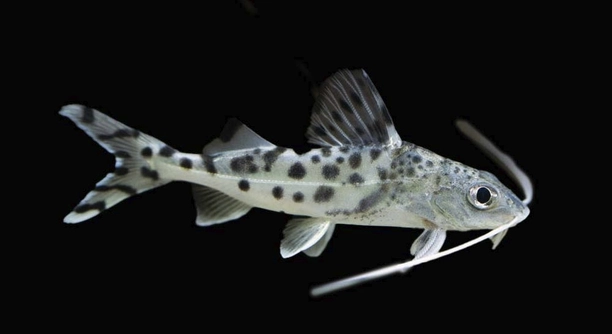
Pictus catfish are lively and active fish that require proper nutrition to maintain their energy. Feeding them the right foods helps support their natural behavior and overall health in an aquarium setting.
Providing a balanced diet rich in protein, vitamins, and minerals is essential for keeping Pictus catfish energetic. Foods such as live or frozen bloodworms, brine shrimp, and high-quality pellets offer the nutrients needed to sustain their activity levels and well-being.
Knowing which foods promote vitality in Pictus catfish will help you care for them better and keep your aquarium thriving with lively fish.
High-Protein Foods for Pictus Catfish
Pictus catfish need plenty of protein to stay energetic and healthy. Protein helps build their muscles and supports their active swimming habits. Common high-protein foods include bloodworms, brine shrimp, and daphnia. These foods are often available live, frozen, or freeze-dried. Live or frozen options are closer to what they would find in nature, which makes them more appealing and nutritious. Feeding a variety of these foods ensures your fish get different nutrients that promote energy and vitality. Be careful not to overfeed, as too much protein can lead to water quality issues in the tank. Feeding small amounts regularly is better than a large meal once in a while. Additionally, supplementing with high-quality pellets that contain fish meal and other protein sources can keep their diet balanced. A diverse diet helps avoid nutritional gaps and keeps your Pictus catfish lively.
High-protein foods are essential for active Pictus catfish. They support muscle growth and daily energy needs.
Including live or frozen bloodworms and brine shrimp in their diet improves their overall health and activity. Combining these with quality pellets provides a balanced and effective feeding plan.
Vegetables and Plant-Based Foods
Pictus catfish also benefit from some plant-based foods in their diet. While they mostly need protein, adding vegetables like zucchini or cucumber can offer extra fiber and vitamins. These vegetables should be lightly boiled or blanched to make them easier to digest. Vegetables help with digestion and can prevent constipation, which sometimes affects aquarium fish. You can also try feeding small amounts of algae wafers, especially if your tank has little natural algae growth. This variety keeps their digestive system healthy and adds different textures to their diet. It’s important to introduce these foods slowly and observe how your fish respond. Not all catfish enjoy vegetables at first, but consistent offering will help them adjust and benefit from a more complete diet.
Plant-based foods add fiber and vitamins to the diet, supporting digestive health.
Vegetables such as zucchini, cucumber, and algae wafers improve digestion and provide important nutrients. Preparing vegetables by boiling softens them, making it easier for Pictus catfish to eat and absorb nutrients. Including plant matter alongside protein sources helps maintain digestive balance and overall well-being. Regularly offering these foods can encourage a more varied diet and promote long-term health. Monitoring your fish’s reaction to new foods is essential to ensure they are well accepted and contribute positively to their energy and vitality.
Live Foods
Live foods are excellent for keeping Pictus catfish energetic because they closely mimic their natural diet. These foods stimulate their hunting instincts and encourage activity.
Common live foods include bloodworms, brine shrimp, and daphnia. These provide essential nutrients and are highly digestible. Offering live foods once or twice a week boosts your fish’s vitality and supports their immune system. It also encourages natural behaviors, which can reduce stress and promote a healthier aquarium environment. Feeding live foods in moderation is important to prevent water contamination. Always source live foods from reputable suppliers to avoid introducing parasites or diseases into your tank.
Including live foods adds variety to your catfish’s diet. It can increase their appetite and overall energy levels, contributing to their well-being and longevity.
High-Quality Pellets
High-quality pellets are a convenient way to provide balanced nutrition daily. These pellets are designed to meet the dietary needs of carnivorous fish like Pictus catfish.
Pellets should contain a high percentage of protein and essential vitamins to support energy and health. Avoid low-grade pellets with fillers, as they lack sufficient nutrients and may affect your fish’s energy. Feeding pellets in small, controlled amounts prevents overfeeding and maintains water quality. A regular pellet diet ensures your catfish get a consistent source of nutrients, which is especially important when live foods are not available. Combining pellets with occasional live or frozen foods creates a well-rounded feeding plan, keeping your Pictus catfish active and healthy over time.
Frozen Foods
Frozen foods offer a safe and nutritious alternative to live foods. They retain most nutrients and reduce the risk of introducing parasites or bacteria into the tank.
Common frozen options include bloodworms, brine shrimp, and daphnia. These foods are easy to store and can be thawed as needed, providing convenience without sacrificing nutrition.
Variety in Diet
Feeding a variety of foods ensures your Pictus catfish receive all necessary nutrients. Mixing live, frozen, pellets, and occasional vegetables promotes balanced health and sustained energy. A diverse diet also helps prevent boredom and encourages natural foraging behaviors, contributing to your fish’s well-being and activity levels.
Avoid Overfeeding
Overfeeding can cause health problems and water quality issues. Feeding small portions several times a day is better than one large meal.
Supplements
Supplements can improve your catfish’s nutrition, but should be used sparingly and only if necessary.
FAQ
What is the best food to keep Pictus catfish energetic?
The best foods for keeping Pictus catfish energetic are high-protein options like live or frozen bloodworms, brine shrimp, and high-quality pellets. These foods provide essential nutrients that support muscle development and activity. Including a variety of protein sources helps ensure they get a balanced diet.
How often should I feed my Pictus catfish?
Feeding your Pictus catfish small amounts two to three times daily is ideal. Frequent, smaller meals help maintain energy levels and prevent overfeeding, which can lead to poor water quality. Avoid giving large meals at once since this can cause digestive issues.
Can Pictus catfish eat vegetables?
Yes, Pictus catfish can eat vegetables like zucchini, cucumber, and peas. These should be lightly boiled or blanched to soften them for easier digestion. Vegetables add fiber and vitamins to their diet, which supports digestive health and overall well-being.
Are live foods necessary for Pictus catfish?
Live foods are beneficial but not strictly necessary if you provide a balanced diet with pellets and frozen foods. Live foods encourage natural hunting behavior and can improve activity levels, but frozen alternatives are also nutritious and easier to manage.
Can I feed my Pictus catfish only pellets?
Feeding only pellets is possible but not recommended. Pellets can provide balanced nutrition, but combining them with live or frozen foods and occasional vegetables creates a more complete diet. Variety helps prevent nutritional gaps and keeps your catfish engaged.
How can I prevent overfeeding my catfish?
Feed your fish only what they can eat within a few minutes and remove any uneaten food. Overfeeding leads to excess waste, water pollution, and health problems like obesity. Stick to small, regular feedings to maintain good water quality and fish health.
Do Pictus catfish need supplements?
Supplements are generally not necessary if your catfish receive a balanced diet. However, if you notice signs of nutritional deficiency, certain vitamins or minerals may help. Always consult with a specialist before adding supplements to their diet.
What should I avoid feeding Pictus catfish?
Avoid feeding your catfish processed human food, bread, or fatty meats. These items lack proper nutrients and can cause digestive problems or water contamination. Stick to foods designed for fish or natural prey items.
Can feeding affect my Pictus catfish’s behavior?
Yes, diet directly impacts behavior. Proper nutrition keeps them active and healthy, while poor feeding can cause lethargy or stress. Providing variety and quality foods encourages natural behaviors and vitality.
How do I introduce new foods to my Pictus catfish?
Introduce new foods slowly and in small amounts. Observe how your catfish react and whether they eat the new food willingly. Gradually increase portions if they accept it, ensuring the diet remains balanced and their digestion is not upset.
Proper nutrition is the foundation for keeping Pictus catfish energetic and healthy. Providing a balanced diet that includes a variety of foods is key to meeting their dietary needs. High-protein foods like bloodworms, brine shrimp, and quality pellets supply essential nutrients that support their active nature. Including vegetables occasionally can help with digestion and add important vitamins. It is important to feed small amounts regularly rather than large meals, to avoid overfeeding and maintain good water quality. Paying attention to what your catfish eats will help keep them lively and reduce health risks.
Feeding your Pictus catfish a mix of live, frozen, and prepared foods offers many benefits. Live foods encourage natural hunting behaviors and keep your fish stimulated. Frozen foods provide a safe and convenient alternative with most nutrients intact. Quality pellets offer a steady source of nutrition, especially when fresh live or frozen foods are not available. Including this variety ensures your fish receive all the nutrients they need for energy and well-being. Observing your catfish’s behavior during feeding can help you adjust their diet and improve their overall health.
Taking care of your Pictus catfish’s diet is a simple but important way to support their vitality. Avoid overfeeding by giving small portions that they can eat quickly. Be cautious when introducing new foods and always choose reputable sources to protect your aquarium from contaminants. Keeping a well-balanced feeding routine will not only boost their energy but also contribute to their long-term happiness and health. With the right foods and proper feeding habits, your Pictus catfish will remain active and enjoy a good quality of life.

Hello,
If you enjoy the content that we create, please consider saying a "Thank You!" by leaving a tip.
Every little bit helps us continue crafting quality advice that supports the health, happiness, and well-being of pets around the world, for pets of all shapes, sizes, and species.
We really appreciate the kindness and support that you show us!