
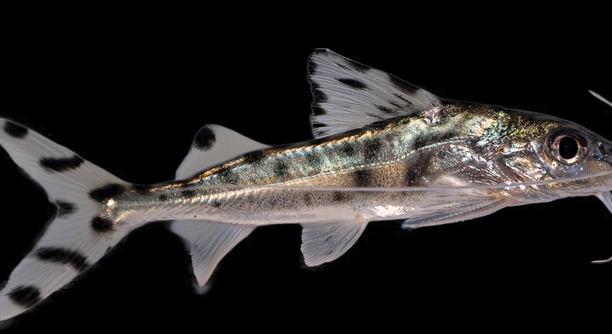
Are you setting up a tank for your Pictus Catfish and wondering if a bare-bottom setup is suitable? Many aquarists consider this option for ease of cleaning and better monitoring of water quality. Understanding how Pictus Catfish respond to such environments is important.
Pictus Catfish can tolerate bare-bottom tanks as long as the water conditions are stable and clean. They rely on smooth surfaces to avoid injury, and a bare bottom allows better maintenance of hygiene, which benefits their overall health and reduces stress.
This article will explain the pros and cons of bare-bottom tanks for Pictus Catfish and offer practical tips to keep them comfortable and healthy.
Benefits of Bare-Bottom Tanks for Pictus Catfish
Bare-bottom tanks make cleaning much easier compared to tanks with substrate. Without gravel or sand, leftover food and waste do not get trapped, which helps maintain water quality. Pictus Catfish are bottom dwellers, so having a smooth surface prevents injuries that might happen if sharp or rough substrates are present. This setup also makes it easier to spot any health issues, like parasites or wounds, early on. Since Pictus Catfish are active swimmers and enjoy open space, a bare-bottom tank can provide them with more room to move freely. However, it is important to keep the water parameters stable and provide plenty of hiding spots with decorations or plants. This will help reduce stress and give them a sense of security in the otherwise bare environment.
Bare-bottom tanks support easier maintenance and improve cleanliness, which is essential for healthy Pictus Catfish. They benefit from a safe, smooth environment with enough hiding places.
Choosing a bare-bottom tank can simplify daily care and reduce the risk of infections. Pictus Catfish thrive in clean water and an open layout, but they do need some form of cover or shelter to feel safe. Incorporating driftwood, caves, or live plants offers the necessary refuge while keeping the tank easy to clean. It is also important to perform regular water changes since the bare bottom does not trap debris. Providing a varied diet and monitoring behavior regularly will ensure the fish remain healthy and active in this environment.
Potential Drawbacks of Bare-Bottom Tanks
Some aquarists worry bare-bottom tanks may feel too exposed for Pictus Catfish, which can lead to stress. The lack of natural substrate means the tank looks less natural and may not provide the same comfort as sand or gravel. Fish may show more skittish behavior when they do not have enough places to hide.
Stress from a bare-bottom tank can affect Pictus Catfish behavior and immune response.
To reduce these issues, it is crucial to add plenty of hiding spots and decorations. Pictus Catfish appreciate caves, rocks, and plants that mimic their natural habitat. Even in a bare-bottom tank, these additions create safe zones where the fish can retreat. Regular monitoring of water quality and fish behavior will help catch any early signs of discomfort. When properly set up, a bare-bottom tank can offer a healthy environment without the challenges that come with substrate maintenance. Balancing cleanliness with comfort ensures the Pictus Catfish can thrive while giving you an easier tank-cleaning routine.
Maintaining Water Quality in Bare-Bottom Tanks
Bare-bottom tanks make it easier to keep water clean because debris and waste don’t get trapped in substrate. This reduces the risk of harmful bacteria building up and helps maintain good water parameters.
Regular water changes are essential for bare-bottom tanks since all waste stays in the water column. Without substrate to filter or trap debris, the tank relies on efficient filtration and frequent cleaning. Keeping nitrate and ammonia levels low is easier when you can see the tank bottom clearly, which helps spot dirt quickly. Proper filtration combined with bare-bottom tanks improves overall water quality, promoting a healthier environment for Pictus Catfish.
Besides frequent water changes, testing water parameters often is necessary. Bare-bottom tanks show waste build-up faster, so staying on top of filtration and water changes prevents sudden water quality issues. Keeping the tank clean and stable supports the fish’s immune system and prevents common diseases.
Providing Comfort in a Minimalist Setup
Pictus Catfish need more than just clean water to thrive—they also need places to hide. Even without substrate, adding decorations like caves, driftwood, or plants can offer essential shelter.
Providing hiding spots reduces stress and encourages natural behavior. Bare-bottom tanks can feel bare and exposed, which may upset shy fish like Pictus Catfish. Adding decorations that don’t trap debris maintains cleanliness but improves comfort. Decorations also add visual interest to the tank without the drawbacks of substrate.
A balanced setup combines the benefits of bare-bottom tanks with thoughtful decoration. This creates a secure environment that supports the well-being of your Pictus Catfish while keeping tank maintenance simple and effective.
Monitoring Fish Behavior
Pictus Catfish often show clear signs when they are stressed or uncomfortable. Watching their swimming patterns and activity levels helps identify if the tank setup suits them.
Changes like hiding excessively or refusing to eat can signal issues with their environment. Early observation lets you adjust tank conditions to keep your fish healthy.
Choosing the Right Decorations
Select smooth, non-abrasive decorations to prevent injuries. Avoid sharp edges and rough surfaces since Pictus Catfish have delicate barbels and skin that can easily get damaged.
Driftwood, smooth stones, and broad-leaf plants provide natural hiding spots without adding cleaning difficulties. These choices maintain a safe, comfortable environment in a bare-bottom tank.
Feeding Considerations
Bare-bottom tanks make it easier to spot uneaten food, which helps prevent water pollution. Feeding your Pictus Catfish small amounts more often reduces waste and keeps the tank clean.
Summary of Key Points
Bare-bottom tanks can work well for Pictus Catfish if cleanliness, hiding spots, and careful observation are maintained.
FAQ
Are Pictus Catfish happy in bare-bottom tanks?
Pictus Catfish can adapt well to bare-bottom tanks as long as their basic needs are met. They need clean water, enough space to swim, and places to hide. Bare bottoms help keep the tank clean, which reduces stress and illness. Without substrate, the risk of injury from rough or sharp surfaces decreases, making the environment safer for their delicate barbels.
How often should I clean a bare-bottom tank for Pictus Catfish?
Cleaning frequency depends on tank size, stocking levels, and filtration. Typically, partial water changes every week or two are necessary to keep water quality high. Because waste isn’t trapped in substrate, uneaten food and debris accumulate faster in the water. Frequent water changes help prevent ammonia and nitrate buildup, which can harm the fish.
Do bare-bottom tanks affect Pictus Catfish behavior?
A bare-bottom tank can cause Pictus Catfish to feel exposed if there are no hiding spots. They may become skittish or hide more often. Adding decorations like caves, plants, or driftwood helps them feel secure. When comfortable, they display natural behaviors like active swimming and socializing.
Can I use live plants in a bare-bottom tank?
Yes, live plants are a great addition. They provide hiding places and improve water quality by absorbing nitrates. Choose plants that don’t require substrate or use plant anchors to keep them in place. Plants also add visual appeal without complicating cleaning.
Is feeding different in a bare-bottom tank?
Feeding is easier because uneaten food is visible and can be removed quickly, reducing waste buildup. Offer small, frequent meals to prevent leftovers. This helps maintain clean water and reduces the risk of water quality issues.
Will bare-bottom tanks keep my Pictus Catfish healthier?
Cleaner water reduces the chance of disease, so bare-bottom tanks can support good health if maintained well. However, poor water quality or lack of hiding spots can still cause stress or illness. Regular maintenance and proper setup are key.
What should I avoid in a bare-bottom tank?
Avoid sharp or rough decorations that can harm the fish. Also, don’t skip regular water testing and cleaning, as waste remains in the water. Overcrowding the tank will increase waste quickly and reduce water quality.
Can I switch from a substrate tank to a bare-bottom tank?
Yes, but do it gradually. Move your Pictus Catfish carefully and monitor their behavior closely. Some fish might take time to adjust to the new environment. Adding plenty of hiding places helps ease the transition.
How do I make a bare-bottom tank comfortable for Pictus Catfish?
Add smooth decorations, caves, and plants to offer shelter. Maintain stable water parameters and perform regular water changes. Keep lighting moderate and avoid sudden changes in the tank to reduce stress.
Are there any special equipment needs for bare-bottom tanks?
Basic filtration and water testing equipment are essential. A strong filter that circulates water well helps keep debris suspended for easy removal. A gravel vacuum is not necessary, but a siphon for water changes is still important.
Will bare-bottom tanks increase my workload?
They usually reduce cleaning time since there’s no substrate to vacuum. However, frequent water changes and monitoring remain necessary to keep water quality high.
Can Pictus Catfish injure themselves in a bare-bottom tank?
They are less likely to get injured without substrate. Still, sharp or rough decorations can cause damage. Use smooth materials and avoid overcrowding to keep them safe.
How do I know if my Pictus Catfish prefers substrate or a bare-bottom tank?
Observe their behavior. If they hide and explore comfortably, the setup suits them. Signs of stress, like hiding constantly or refusing food, may mean adjustments are needed. Adding more shelters or substrate could help.
Is a bare-bottom tank suitable for all types of catfish?
Not all catfish thrive in bare-bottom tanks. Pictus Catfish tolerate them well, but species that sift through substrate for food may suffer without it. Research the needs of your specific catfish species before choosing this setup.
Does a bare-bottom tank affect tank aesthetics?
Some find bare-bottom tanks less natural looking. Adding plants and decorations can improve the appearance while keeping the benefits of easy cleaning.
Can bare-bottom tanks prevent algae growth?
Algae can still grow on tank surfaces and decorations. Regular cleaning and balanced lighting help control algae, regardless of substrate.
This FAQ covers common concerns about keeping Pictus Catfish in bare-bottom tanks, helping you create a healthy, comfortable home for your fish.
Bare-bottom tanks offer several advantages for keeping Pictus Catfish healthy and comfortable. The lack of substrate makes cleaning easier, reducing the buildup of waste and harmful bacteria in the tank. This helps maintain better water quality, which is crucial for the wellbeing of Pictus Catfish. These fish have delicate barbels that can get injured by rough or sharp gravel, so a smooth tank bottom lowers the risk of physical harm. When combined with proper filtration and regular water changes, a bare-bottom tank can create a stable and safe environment for these active swimmers.
However, bare-bottom tanks are not without their challenges. Pictus Catfish are naturally shy and prefer having places to hide and feel secure. A completely bare tank can make them feel exposed and stressed, which may affect their behavior and health. To address this, adding decorations like smooth stones, caves, driftwood, or live plants is important. These elements give the fish hiding spots and reduce stress, helping them to display their natural swimming and social habits. Even without substrate, a well-decorated tank can feel more natural and inviting for Pictus Catfish, improving their overall quality of life.
In conclusion, bare-bottom tanks can work very well for Pictus Catfish if set up thoughtfully. Cleanliness and water quality are easier to manage, which supports the fish’s health. At the same time, providing hiding places and monitoring behavior help reduce stress and keep the fish comfortable. This setup requires some effort to maintain balance, but it offers a practical option for aquarists who want to keep their tanks clean while meeting the needs of their Pictus Catfish. With regular care and attention, bare-bottom tanks can be a safe and healthy home for these lively fish.

Hello,
If you enjoy the content that we create, please consider saying a "Thank You!" by leaving a tip.
Every little bit helps us continue crafting quality advice that supports the health, happiness, and well-being of pets around the world, for pets of all shapes, sizes, and species.
We really appreciate the kindness and support that you show us!