
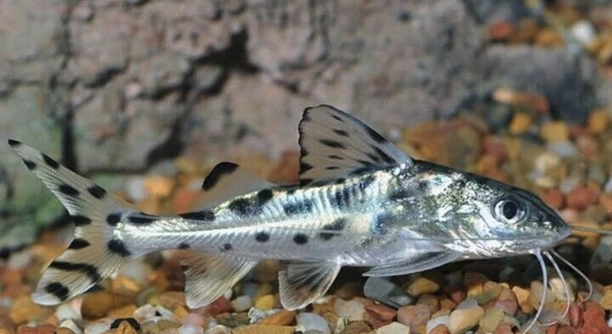
Pictus catfish are popular in home aquariums because of their unique spotted patterns and lively behavior. Many owners enjoy watching these fish swim around, but sometimes their colors start to fade unexpectedly. Understanding what causes this color change can help keep them healthy and vibrant.
Color fading in pictus catfish is mainly caused by poor water quality, inadequate diet, stress, and illness. Each of these factors affects the fish’s ability to maintain its natural pigmentation, leading to duller and less distinct colors over time.
Knowing the reasons behind color fading can help you create a better environment for your catfish. Maintaining their bright appearance is easier when you understand the common causes.
Water Quality and Its Impact on Color Fading
Keeping the water clean and stable is very important for pictus catfish. These fish are sensitive to changes in their environment, especially water conditions. Poor water quality, such as high ammonia, nitrite, or nitrate levels, can cause stress and harm their health. When water is not clean, the fish’s natural colors often fade because their bodies struggle to function properly. Regular water changes and monitoring with test kits help maintain a healthy environment. Temperature also matters; if it’s too cold or too warm, it can affect the fish’s metabolism and pigment. I noticed once that when my tank’s filter wasn’t working well, the catfish’s colors started dulling quickly. Fixing the filter and doing water changes brought their color back. Keeping water parameters stable is one of the simplest ways to protect the fish’s bright spots and stripes.
Clean water is essential for maintaining the fish’s natural colors. Even small changes can make a difference in how vibrant they look.
Understanding and controlling water quality allows you to prevent many health problems in pictus catfish. It also supports their immune system, reducing the chance of disease that could affect pigmentation. Good water conditions mean the fish use energy for coloring and growth, not fighting stress or toxins. It’s a simple step but often overlooked by aquarium owners. Regular testing, partial water changes, and proper filtration make a big difference in the fish’s appearance. This care ensures your pictus catfish stay lively and colorful for a long time.
Diet and Nutrition Effects on Color
A poor diet can lead to faded colors in pictus catfish.
Feeding the right food is key to keeping their colors bright. Pictus catfish need a balanced diet rich in protein and nutrients. Live or frozen foods like bloodworms, brine shrimp, and high-quality pellets help maintain their vibrant colors. Avoid feeding only flakes or low-quality food, as this can cause dullness. I found that when I added more live food, the spots on my catfish became more defined and shiny. Supplements containing carotenoids also support pigmentation. A well-fed fish shows its natural beauty, while a poor diet weakens it and causes fading over time. Feeding regularly but not overfeeding keeps the fish healthy and colorful.
Stress and Its Role in Color Changes
Stress is a major factor in color fading for pictus catfish.
Stress can come from overcrowding, aggressive tank mates, sudden changes in water conditions, or poor hiding spots. When fish are stressed, their immune systems weaken and pigmentation fades. I once had an aggressive fish added to my tank, and I saw my catfish lose their bright colors almost immediately. Reducing stress means giving them space, calm tank mates, and a stable environment. Avoid sudden changes in temperature or water chemistry. Providing plenty of plants and hiding places helps them feel safe and reduces color loss.
Stress affects more than just appearance. Over time, it can lead to illness, which further dulls the fish’s color. Keeping the environment calm and stable is one of the best ways to keep pictus catfish healthy and colorful.
Illness and Disease Impact
Illnesses like parasites, bacterial infections, or fungal diseases often cause color loss.
When pictus catfish are sick, their bodies focus on fighting the disease instead of maintaining their vibrant colors. Symptoms like lethargy, loss of appetite, or spots on the body can appear alongside fading colors. In my experience, early treatment with proper medication brought my catfish back to their bright, spotted appearance. Ignoring illness can lead to permanent damage or death. Regular observation and quick response to any signs of illness help protect their colors and health. Quarantining new fish before adding them to the tank can prevent diseases from spreading.
Good tank maintenance, clean water, and a balanced diet reduce the risk of disease. Catching illness early ensures a better chance for recovery and preserves the fish’s natural beauty.
Lighting and Its Effect on Color
Lighting plays an important role in how vibrant pictus catfish appear.
Too much bright light can stress the fish and cause colors to fade. On the other hand, too little light may dull their spots. Finding the right balance helps maintain their natural patterns.
Genetics and Natural Variation
Some color fading is natural and depends on genetics.
Pictus catfish may lose brightness as they age or due to inherited traits. This fading is normal and does not always mean poor health. Understanding this helps set realistic expectations for your fish’s appearance over time.
Tank Environment Influence
The overall tank environment affects color retention.
Plants, decorations, and substrate color can either highlight or dull the fish’s appearance. Choosing a tank setup that contrasts well with their spots can make them look more vibrant.
FAQ
Why is my pictus catfish losing color suddenly?
Sudden color loss usually points to a change in the environment or health issues. It could be poor water quality, stress from new tank mates, or illness. I once noticed my catfish fading after a water parameter shift. Testing water and checking for sickness can help find the cause quickly.
Can color fading be reversed?
Yes, in many cases, improving conditions can restore color. Fixing water quality, reducing stress, and feeding a better diet often bring colors back. However, if fading is due to genetics or old age, it may not fully return. Patience and proper care are key.
How often should I change the water to prevent color fading?
Changing 20-30% of the water weekly works well for pictus catfish. Regular water changes keep toxins low and water stable, which supports healthy coloration. I found consistent changes kept my fish’s spots bright and clear over time.
Does lighting affect pictus catfish color?
Yes, the right lighting is important. Too much strong light stresses them and dulls colors, while too little light makes their patterns less visible. A moderate light schedule, about 8-10 hours daily, usually works best.
What foods help keep pictus catfish colorful?
High-protein foods like bloodworms, brine shrimp, and quality pellets boost color. Foods rich in carotenoids enhance pigmentation too. I added frozen bloodworms to my catfish’s diet and noticed their spots became more vivid.
Can stress cause permanent color loss?
Stress can cause fading, but it is usually reversible if fixed early. Prolonged or severe stress may weaken the fish’s health and make color loss more lasting. Avoid overcrowding and aggressive tank mates to reduce stress.
Are there any diseases that cause color fading?
Yes, bacterial infections, parasites, and fungal diseases often lead to dull colors. If your catfish is lethargic or shows physical symptoms, it’s best to treat the illness quickly to save its color and health.
Should I quarantine new fish to protect my pictus catfish’s color?
Quarantining new fish is a good practice. It helps prevent disease from entering the main tank, which can cause stress and illness, leading to color fading. I always quarantine new fish for at least two weeks before adding them.
How does tank decoration influence color?
Dark or natural-colored substrates and plants make pictus catfish’s spots stand out more. A bright or cluttered tank may wash out their colors. Adjusting decorations can improve how vibrant your fish appear without changing their health.
Can old age cause color fading?
Yes, as pictus catfish age, their colors often fade naturally. This is normal and not usually a sign of poor health. Older fish may lose some brightness but can still be active and healthy with proper care.
When it comes to pictus catfish and their color fading, many factors play a role. Water quality, diet, stress, illness, lighting, and even genetics can all affect how bright and vibrant these fish look. Taking care of their environment is important to keep their spots and patterns clear. Clean water with stable conditions helps reduce stress and supports healthy skin and scales. Feeding a balanced diet with good protein and nutrients also plays a big part. Over time, these combined efforts create the best chance for your catfish to show off their natural beauty.
Stress is one of the most common reasons for fading colors in pictus catfish. It can come from many sources, such as overcrowding, aggressive tank mates, or sudden changes in the tank environment. When fish are stressed, their bodies focus on survival rather than keeping their colors bright. Creating a calm tank with plenty of hiding spots can make a big difference. Avoiding sudden changes and keeping the tank stable helps the fish feel safe. This is something I’ve learned from experience—once I made the tank quieter and more secure, my catfish’s colors improved noticeably.
Lastly, it’s important to remember that some color changes are natural and expected. As pictus catfish age, their colors may fade slightly. Genetics also play a role in how bright their spots stay over time. Illness can speed up this fading, but catching health problems early and treating them can often bring color back. Regular observation and good tank maintenance are key to keeping your fish healthy and colorful. With patience and consistent care, you can enjoy the unique look of your pictus catfish for years to come.

Hello,
If you enjoy the content that we create, please consider saying a "Thank You!" by leaving a tip.
Every little bit helps us continue crafting quality advice that supports the health, happiness, and well-being of pets around the world, for pets of all shapes, sizes, and species.
We really appreciate the kindness and support that you show us!