
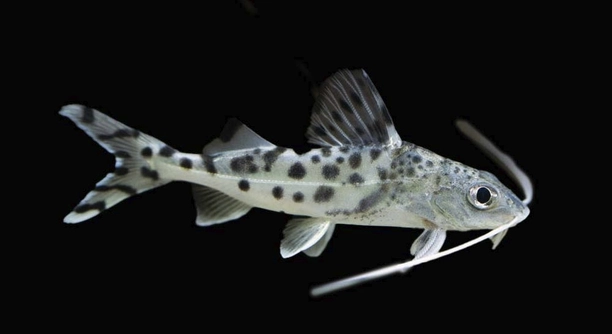
Many aquarium hobbyists enjoy keeping Pictus catfish for their lively behavior and unique appearance. However, setting up their tanks correctly can be tricky. Even small mistakes in the tank environment often lead to confusion and stress for these fish.
The most frequent setup mistakes that confuse Pictus catfish include improper water parameters, insufficient hiding places, wrong substrate choice, inadequate tank size, lack of proper filtration, incorrect lighting, and incompatible tank mates. These factors disrupt their natural behavior and well-being.
Understanding these common errors can improve your Pictus catfish’s health and comfort. The following details will help you create a better environment for these fascinating fish.
Improper Water Parameters
Maintaining the correct water parameters is essential for Pictus catfish health. These fish thrive in water with a temperature between 74°F and 79°F, a pH around 6.5 to 7.5, and moderate hardness. When these conditions are not met, the catfish can become stressed, lose appetite, and display erratic behavior. Sudden changes in water chemistry or poor water quality often cause confusion and illness. Regular testing and water changes help maintain a stable environment. Using a reliable filtration system also supports the balance of ammonia, nitrites, and nitrates. Avoid overcrowding the tank, as too many fish can worsen water conditions quickly. Keeping the water clean and stable ensures your Pictus catfish remain healthy and active.
Proper water management creates a comfortable habitat and reduces stress for Pictus catfish.
Regular water testing and gradual adjustments are key to sustaining ideal water parameters in the tank.
Lack of Hiding Places
Pictus catfish naturally seek shelter and hiding spots to feel secure. Without enough cover, they become anxious and restless. Hiding places such as caves, driftwood, and dense plants mimic their natural habitat. These provide comfort and reduce stress by giving them a safe retreat. Open tanks with little decoration often confuse the fish because they feel exposed. Stress can weaken their immune system and make them more vulnerable to disease. Arranging a variety of hiding spots encourages natural behavior, helping them feel more at ease. It also improves their overall well-being and activity levels.
Providing suitable shelter is a simple way to promote calm and healthy Pictus catfish.
When choosing decorations, consider the size and safety of hiding spots. Avoid sharp edges and ensure enough space for swimming. This balance between shelter and open space supports their natural instincts and daily activity. Plants can also help maintain water quality and add to the tank’s comfort. Using natural materials is best, as artificial decorations might harm water chemistry. Ensuring your catfish have places to hide will make a noticeable difference in their behavior and happiness.
Wrong Substrate Choice
The substrate in a Pictus catfish tank should be soft and smooth. Rough or sharp gravel can injure their delicate barbels. Sand or fine gravel is ideal, as it allows them to forage safely. Avoid large, jagged stones that may cause damage.
A proper substrate mimics the natural riverbeds where Pictus catfish live. These fish use their barbels to explore the bottom for food, so a gentle surface helps them avoid injury. Hard or sharp substrates can lead to infections or stress, affecting their behavior and health. In addition, fine substrates make it easier to clean uneaten food and waste, maintaining better water quality. Choosing the right substrate supports their natural habits and physical safety.
Many aquarists overlook the importance of substrate texture, but it plays a vital role in the well-being of Pictus catfish. Smooth sand not only protects their sensitive barbels but also encourages natural digging and scavenging behaviors. This creates a more enriching environment and prevents common injuries that could impair their health over time.
Inadequate Tank Size
Pictus catfish require spacious tanks due to their active nature. A minimum of 55 gallons is recommended for a small group. Limited space restricts their movement and causes stress.
When tanks are too small, Pictus catfish cannot swim freely or establish territories, leading to aggression and anxiety. They are fast swimmers and enjoy open water, so cramped conditions disrupt their natural behavior. Insufficient tank size also affects water quality, as waste accumulates more quickly, increasing the risk of harmful ammonia and nitrite spikes. Providing ample space helps maintain stable water conditions and allows these fish to thrive. Proper tank size supports both their physical health and psychological well-being.
Upgrading to a larger tank when needed can make a significant difference in your Pictus catfish’s quality of life. Planning ahead for their adult size and activity level ensures they have room to grow and stay healthy. Adequate space reduces stress and encourages more natural, lively behavior, creating a better aquarium environment overall.
Inadequate Filtration
Strong filtration is necessary to keep Pictus catfish healthy. Poor filtration leads to toxic buildup in the water.
A good filter maintains clear water and stable parameters. It helps remove waste, uneaten food, and harmful chemicals. Without proper filtration, ammonia and nitrite levels rise, stressing the fish.
Incorrect Lighting
Pictus catfish prefer dim or moderate lighting. Bright lights cause stress and hide natural behavior.
Use subdued lighting or add floating plants to diffuse light. This creates a more natural environment and reduces anxiety in the fish.
Incompatible Tank Mates
Choosing the wrong tank mates can confuse and stress Pictus catfish. Aggressive or overly active fish disrupt their peace.
FAQ
What is the ideal tank size for Pictus catfish?
A minimum of 55 gallons is recommended for a small group of Pictus catfish. These fish are active swimmers and need plenty of space to move freely. Smaller tanks can cause stress and limit their natural behavior. Larger tanks also help maintain better water quality and reduce aggressive encounters.
How often should I change the water?
Regular water changes are important to keep the tank healthy. Changing 20-30% of the water every week is a good practice. This helps remove waste and toxins that build up over time. It also keeps water parameters stable, which is crucial for Pictus catfish health.
What type of substrate is best?
Fine sand or smooth gravel is ideal for Pictus catfish. Their barbels are delicate and can be injured by rough or sharp substrates. A soft substrate allows them to forage safely and comfortably. Avoid coarse gravel or jagged rocks to prevent damage.
How do I maintain proper water parameters?
Keep the water temperature between 74°F and 79°F, pH around 6.5 to 7.5, and moderate hardness. Regularly test water conditions and make gradual adjustments if needed. Use a reliable filtration system to control ammonia, nitrites, and nitrates. Stability is key to reducing stress and keeping fish healthy.
What should I feed Pictus catfish?
Pictus catfish are omnivores and enjoy a varied diet. Provide sinking pellets, frozen or live foods such as bloodworms, brine shrimp, and daphnia. Occasional vegetables like blanched zucchini or cucumber can be added. Feeding once or twice daily in moderate amounts helps maintain good health.
Are Pictus catfish aggressive?
Generally, Pictus catfish are peaceful but can become territorial if cramped or stressed. They do best in groups of at least three or more to reduce aggression. Providing enough space and hiding spots lowers conflict. Avoid housing them with overly aggressive or very small fish.
Can Pictus catfish live with other fish?
Yes, but tank mates should be chosen carefully. Compatible species are peaceful, similar-sized fish that occupy different tank levels. Avoid slow-moving or long-finned fish, as Pictus catfish may nip fins. Good companions include larger tetras, barbs, and bottom dwellers like Corydoras.
How do I reduce stress for Pictus catfish?
Maintain stable water parameters, provide hiding places, and avoid sudden changes in the tank. Use gentle lighting and keep noise around the aquarium low. A well-planned environment with adequate space and peaceful tank mates also reduces stress.
Why is my Pictus catfish hiding all the time?
Hiding is normal behavior, especially if the fish feels threatened or stressed. It may be reacting to bright light, poor water quality, or aggressive tank mates. Ensuring proper conditions and sufficient shelter encourages more activity and comfort.
What signs show my Pictus catfish is unhealthy?
Watch for signs like loss of appetite, erratic swimming, clamped fins, or visible injuries. Cloudy eyes, faded color, or excessive hiding also indicate health issues. Poor water quality or incorrect setup often causes these problems. Early attention improves chances for recovery.
Properly caring for Pictus catfish requires attention to several important factors in their tank setup. These fish are sensitive to water conditions, tank size, and the environment you provide. Ensuring stable water parameters like temperature, pH, and hardness is crucial to prevent stress and illness. Using a reliable filtration system and regular water changes helps maintain clean water, which supports their overall health. Choosing the right substrate, such as fine sand or smooth gravel, prevents injury to their delicate barbels and allows them to exhibit natural foraging behaviors.
Creating a comfortable habitat also involves providing enough hiding places and space for swimming. Pictus catfish are active and social fish that need room to move and places to retreat when they feel threatened. A tank of at least 55 gallons is recommended for a small group, which reduces aggression and promotes natural behavior. Decorations like caves, driftwood, and plants offer shelter and help reduce stress. Additionally, proper lighting is important. These catfish prefer dim or moderate light, so harsh or bright lighting should be avoided to keep them calm.
Lastly, choosing compatible tank mates is essential for a peaceful aquarium. Pictus catfish can become confused or stressed when housed with aggressive or overly active fish. Selecting peaceful, similar-sized companions ensures harmony and reduces conflicts. Feeding them a varied diet that meets their nutritional needs also supports their health. Paying attention to these setup details helps prevent common mistakes that confuse Pictus catfish. By providing the right environment, you help them thrive and enjoy a better quality of life in your care.

Hello,
If you enjoy the content that we create, please consider saying a "Thank You!" by leaving a tip.
Every little bit helps us continue crafting quality advice that supports the health, happiness, and well-being of pets around the world, for pets of all shapes, sizes, and species.
We really appreciate the kindness and support that you show us!