
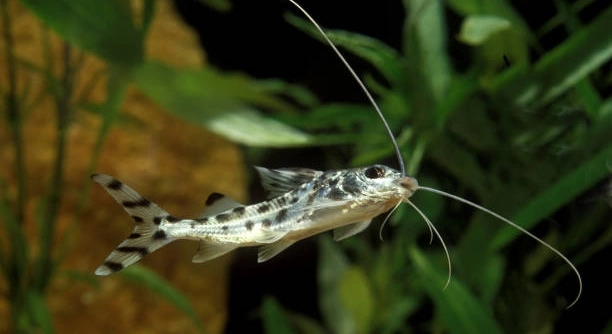
Many aquarium enthusiasts enjoy keeping Pictus Catfish for their active behavior and unique appearance. However, selecting compatible tankmates can sometimes be challenging. Mismatched companions often lead to stress or conflicts that affect the well-being of these fish.
Seven common tankmate fails with Pictus Catfish include choosing overly aggressive species, keeping incompatible water parameter needs, overcrowding, mixing fish with different activity levels, poor diet compatibility, ignoring hiding spaces, and not considering size differences. These factors can cause stress, injury, or death.
Understanding these common mistakes will help improve your aquarium’s harmony and the health of your Pictus Catfish and their companions. The following points explain how to avoid these issues for a balanced aquatic environment.
Overly Aggressive Tankmates
Choosing overly aggressive fish to share a tank with Pictus Catfish often causes serious problems. Pictus Catfish are generally peaceful and active, but aggressive species can stress them out or even cause injuries. Aggressive fish tend to chase or nip at slower or shy tankmates like Pictus Catfish. This behavior leads to constant stress, which weakens the immune system of the catfish. Over time, stress can cause illness or death. Avoiding aggressive fish such as large cichlids or territorial species is important. Instead, choose calm and similarly sized fish that tolerate the Pictus Catfish’s active but peaceful nature. Ensuring all tankmates have enough space and hiding spots reduces tension. This careful selection supports a healthier, more balanced aquarium environment where Pictus Catfish can thrive without fear or harm.
Aggressive tankmates provoke stress and harm in Pictus Catfish, which affects their health and longevity in a shared tank.
Balancing species by selecting peaceful companions helps reduce conflict and promotes well-being. It is important to monitor fish behavior regularly. Signs of bullying or injury require prompt action, such as rearranging the tank or removing aggressive individuals. Providing ample hiding places allows Pictus Catfish to retreat when feeling threatened. This creates a safer environment that respects their natural habits. Keeping the tank clean and stable also supports the health of all fish. Thoughtful tankmate choices are essential to avoid aggressive interactions and ensure peaceful coexistence.
Incompatible Water Parameters
Water conditions like temperature, pH, and hardness vary between species. Pictus Catfish prefer slightly acidic to neutral pH and moderate temperatures around 75-80°F. Keeping species with very different water needs can cause stress or illness. For example, tropical fish requiring warmer or more acidic water may not thrive alongside Pictus Catfish. Differences in water hardness or pH can impair respiration and overall health. Mixing incompatible species often leads to frequent illness or death. It is essential to research and match species with similar water parameter requirements. Stability in water conditions benefits all tank inhabitants, including Pictus Catfish. Regular testing and adjustments maintain the right environment. Proper filtration and aeration support water quality, reducing risks of disease. Keeping compatible species together creates a stable, healthy habitat for Pictus Catfish and their tankmates.
Overcrowding Issues
Overcrowding in an aquarium stresses Pictus Catfish and their tankmates. Too many fish lead to poor water quality and aggression.
High fish density causes waste buildup, reducing oxygen levels and increasing toxins like ammonia and nitrites. Pictus Catfish are sensitive to these changes, which can cause illness or death. Overcrowding also increases competition for food and space, causing stress. Stress weakens immune systems, making fish vulnerable to infections. It is important to follow recommended stocking levels based on tank size and species requirements. Adequate filtration and regular water changes help maintain water quality but do not replace proper stocking limits. Providing enough swimming space respects the active nature of Pictus Catfish and supports their well-being.
When tanks are overcrowded, Pictus Catfish may exhibit stress behaviors such as hiding, loss of appetite, or lethargy. Monitoring these signs early can prevent serious health issues. Adjusting the number of fish or upgrading to a larger tank can resolve overcrowding. Prioritize the health of your fish by ensuring a balanced population that supports clean, stable water conditions.
Activity Level Mismatches
Pictus Catfish are highly active swimmers and require companions with similar energy levels to prevent stress. Slower or more sedentary fish may become targets of bullying or may struggle to compete for food. When tankmates move at very different paces, the overall tank harmony suffers. Matching activity levels promotes peaceful coexistence and reduces stress for all fish.
Incompatible activity levels create tension. Pictus Catfish may harass slower fish, leading to injuries. Conversely, fast-moving tankmates can stress more passive species. When fish are mismatched, feeding becomes a problem because fast eaters consume food quickly, leaving less for slower fish. This causes malnutrition or aggression during feeding times. Carefully selecting fish with similar swimming habits and temperaments reduces these conflicts. Providing multiple feeding areas can also help ensure all fish receive adequate nutrition.
Observing fish behavior regularly helps identify activity level issues early. Adjust tankmates or tank setup accordingly to balance the environment. Successful tanks consider energy and temperament to maintain peace and health for Pictus Catfish and their companions.
Poor Diet Compatibility
Feeding fish with different dietary needs in the same tank causes problems. Pictus Catfish require a protein-rich diet, while some tankmates may need more plant-based foods. This mismatch can lead to malnutrition or competition during feeding times.
If tankmates have vastly different diets, some fish may be left hungry or overfed. Uneaten food can pollute the tank and cause water quality issues. Providing varied food and feeding in separate areas helps reduce conflict. Ensuring all fish get appropriate nutrition supports health and longevity.
Lack of Hiding Spaces
Pictus Catfish need places to hide and feel secure. Without sufficient cover, they become stressed and vulnerable to bullying.
Size Differences
Large size differences between tankmates can be dangerous. Bigger fish may bully or eat smaller Pictus Catfish. Choosing compatible sizes prevents aggression and injury.
What are the best tankmates for Pictus Catfish?
The best tankmates for Pictus Catfish are peaceful, medium-sized fish that share similar water parameters and activity levels. Examples include small to medium tetras, rasboras, danios, and peaceful barbs. Avoid overly aggressive or territorial species to reduce stress and aggression in the tank. Bottom dwellers like Corydoras catfish can also coexist well if the tank is large enough. Providing compatible companions ensures a stable environment and allows Pictus Catfish to display natural behaviors without fear or competition.
How can I tell if my Pictus Catfish is stressed by tankmates?
Signs of stress in Pictus Catfish include hiding excessively, loss of appetite, erratic swimming, and faded coloration. If aggressive tankmates are present, you may notice fin nipping or physical injuries. Stress weakens the fish’s immune system, making them more prone to disease. Monitoring fish behavior regularly helps catch problems early. If you see these signs, consider adjusting tankmates, adding hiding spots, or improving water conditions to reduce stress.
Can Pictus Catfish live with aggressive fish?
Pictus Catfish generally do not do well with aggressive fish. Aggressive species can chase, nip, or injure them, causing stress and potential death. Aggression disrupts the peaceful nature of the tank and can make Pictus Catfish hide or refuse to eat. It is best to avoid housing them with territorial cichlids or fin-nippers. Peaceful, community fish are a safer choice to maintain harmony.
How many Pictus Catfish should be kept together?
It is best to keep Pictus Catfish in groups of at least three to five individuals. They are social fish and feel more secure in small groups. Keeping them alone can cause stress and lead to unhealthy behavior. However, avoid overcrowding by considering the tank size and other inhabitants. A larger tank allows more room for groups and reduces territorial disputes.
What water conditions do Pictus Catfish need?
Pictus Catfish thrive in water with a temperature range of 75-80°F (24-27°C), a pH between 6.5 and 7.5, and moderate hardness. Stable water parameters are important to prevent stress and disease. Regular testing and water changes help maintain these conditions. Avoid sudden changes in temperature or pH, as Pictus Catfish are sensitive to fluctuations.
Do Pictus Catfish need hiding places?
Yes, Pictus Catfish need plenty of hiding places such as plants, driftwood, and rocks. These provide shelter and reduce stress by giving them safe spaces to retreat. Without hiding spots, they may become timid or stressed, affecting their health. A well-decorated tank mimics their natural habitat and encourages natural behavior.
What should I feed Pictus Catfish in a community tank?
Pictus Catfish are carnivorous and need a protein-rich diet. Feed them sinking pellets, bloodworms, brine shrimp, and other meaty foods. In a community tank, ensure food reaches the bottom where they feed. Feeding multiple times a day in small amounts helps prevent competition and ensures all fish get proper nutrition.
Can Pictus Catfish coexist with smaller fish?
They can coexist with smaller fish if those fish are peaceful and fast enough to avoid accidental injury. However, avoid very small fish that may be seen as prey. Pictus Catfish are active swimmers and can unintentionally stress or harm tiny tankmates. Selecting similarly sized, non-aggressive fish reduces risk and promotes harmony.
What tank size is recommended for Pictus Catfish and their tankmates?
A minimum tank size of 55 gallons is recommended for Pictus Catfish groups and their companions. They are active swimmers that need space to move. Larger tanks allow for better water quality, more hiding places, and room to reduce territorial behavior. Smaller tanks can lead to stress, aggression, and poor health.
How often should I check for tankmate compatibility issues?
Tankmate compatibility should be monitored regularly, especially during the first weeks after introducing new fish. Watch for signs of aggression, stress, or injury. Early detection allows for timely intervention such as rearranging decorations, separating fish, or adjusting feeding routines. Regular observation maintains a peaceful aquarium environment where Pictus Catfish and their tankmates can thrive.
Choosing the right tankmates for Pictus Catfish is important for creating a peaceful and healthy aquarium. These fish have specific needs that must be respected to avoid common problems. Aggressive or incompatible fish can cause stress, injury, or even death. Matching water parameters, activity levels, and dietary requirements helps reduce conflict and promotes well-being. Providing enough space and hiding places further supports the natural behavior and health of Pictus Catfish.
Maintaining water quality is another key factor in tankmate success. Overcrowding and poor filtration can quickly degrade water conditions, leading to illness for all fish in the tank. It is essential to monitor water parameters regularly and perform routine maintenance such as water changes and cleaning. A stable and clean environment helps reduce stress and supports the immune systems of Pictus Catfish and their companions. Taking the time to research and understand the needs of each species will pay off with a thriving aquarium.
Overall, careful planning and observation are necessary to avoid common tankmate mistakes with Pictus Catfish. Watching fish behavior closely can alert you to problems before they become serious. Adjustments to tankmates, diet, or habitat will improve harmony and fish health. By meeting the specific needs of Pictus Catfish and their companions, you can enjoy a balanced aquarium where all fish live comfortably and actively. Patience and attention to detail help ensure long-term success in keeping these unique catfish.

Hello,
If you enjoy the content that we create, please consider saying a "Thank You!" by leaving a tip.
Every little bit helps us continue crafting quality advice that supports the health, happiness, and well-being of pets around the world, for pets of all shapes, sizes, and species.
We really appreciate the kindness and support that you show us!