
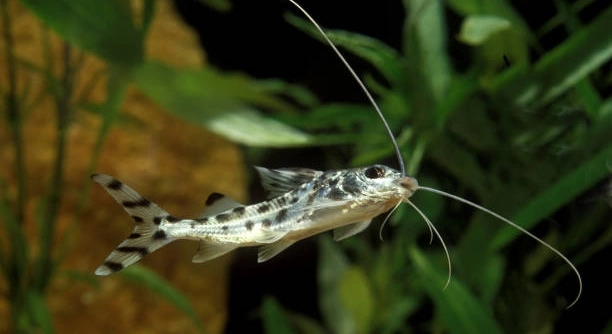
Have you ever found yourself wondering if your pictus catfish are truly getting what they need to stay healthy and active each day?
The key to keeping pictus catfish thriving is performing regular, focused checks on their environment, water quality, feeding habits, and behavior. These routine steps ensure stable conditions that support both their health and long-term well-being.
Knowing what to look for and when to act can make caring for your pictus catfish feel simple and rewarding.
Check the Water Parameters Often
Water quality is one of the most important things to keep track of. Pictus catfish are sensitive to changes, especially when it comes to ammonia, nitrite, and nitrate levels. Test your water at least once a week using a reliable test kit. Make sure the temperature stays between 75–81°F and that the pH level is between 6.5 and 7.5. A good filter helps keep toxins low, but regular partial water changes are still needed. Clean about 25% of the tank water every week to keep it stable. Also, don’t forget to treat tap water with a dechlorinator before adding it.
A small rise in ammonia or nitrite can cause stress and illness in pictus catfish, even if they appear fine at first.
It’s helpful to keep a notebook or app to track test results. This lets you spot trends early, before they cause problems. Consistency really does make a difference for your fish’s health.
Observe Behavior and Movement
Behavior changes can be early signs of stress or illness in pictus catfish. Watch how they swim and interact with their surroundings.
Healthy pictus catfish are active and tend to explore their tank, especially in the evening. If one begins hiding all the time or seems unusually still, it may be a sign something is off. Look out for erratic swimming, heavy breathing, or clamped fins. These signs could point to poor water conditions or possible disease. Also, if one fish separates from the group, it’s worth checking water quality first. Sometimes, stress from overcrowding or aggressive tankmates can also affect their behavior. By knowing how your fish usually acts, it’s easier to notice small changes that need attention. Observing them daily, even just for a few minutes, helps you stay ahead of any problems.
Feed a Balanced Diet
Feeding pictus catfish a proper diet helps them grow well and stay active. They enjoy variety and need more than just flakes or pellets.
Pictus catfish are natural scavengers, but that doesn’t mean they can live off leftovers. Offer a mix of sinking pellets, frozen or live foods like bloodworms and brine shrimp, and the occasional vegetable like blanched zucchini. Feed them once or twice a day, giving only what they can finish in a few minutes. Overfeeding can lead to water issues and health problems. Avoid letting uneaten food sit in the tank, as it quickly breaks down and affects water quality. Stick to a regular feeding routine to support their digestion and energy levels.
Watching how they respond to food can also tell you a lot. If they ignore it or eat less than usual, check the water conditions or watch for signs of illness. Healthy pictus catfish are quick to eat.
Keep the Tank Spacious and Safe
Pictus catfish are very active and need room to swim comfortably. A crowded tank can stress them out and limit their movement.
The tank should be at least 55 gallons for a small group, with a secure lid since pictus catfish may jump. Add driftwood, caves, and plants to give them places to hide and feel safe. Avoid sharp decorations—they have delicate whiskers that can easily be injured. These fish prefer low lighting or dim spaces, so keep that in mind when choosing lights and tank placement. Give them room to swim freely while still offering shelter. Balancing open space and cover helps reduce stress and encourages natural behavior. A safe, roomy tank makes a big difference in their daily comfort and health.
Clean the Tank Regularly
Regular cleaning keeps harmful waste from building up in the tank. Change 20–30% of the water each week, and use a gravel vacuum to remove debris from the bottom. Clean filters gently to avoid killing helpful bacteria.
Don’t scrub everything at once. Overcleaning can remove beneficial bacteria that help break down waste. Stick to a schedule and avoid harsh chemicals.
Choose Calm Tankmates
Pictus catfish do best with peaceful tankmates that won’t nip at their fins or compete aggressively for food. Good choices include tetras, peaceful barbs, and other calm bottom dwellers. Avoid cichlids or overly active fish that may stress them. Keeping the tank peaceful helps reduce hiding and promotes normal activity.
Check for Signs of Injury
Look for torn fins, missing whiskers, or red patches on the skin. These signs often mean your catfish is hurt or stressed and needs quick attention.
FAQ
How often should I feed my pictus catfish?
Feed your pictus catfish once or twice a day. Give them only as much food as they can finish in 2–3 minutes. Sinking pellets, bloodworms, and brine shrimp work well. Too much food can lead to poor water quality and digestive issues. Keep a regular feeding routine.
Do pictus catfish need to be in groups?
Yes, pictus catfish prefer to live in small groups. Keeping at least 3 together helps them feel more secure. When kept alone, they may become shy and hide more often. A group also encourages more natural behavior and movement in the tank.
Can pictus catfish live with shrimp or snails?
It’s not a good idea to keep pictus catfish with small shrimp or snails. They are natural scavengers and may see smaller creatures as food. Larger snails might be safe, but there’s still some risk. Stick to tankmates closer to their size.
Why are my pictus catfish hiding all the time?
Frequent hiding could mean they’re stressed. This might be caused by poor water quality, sudden changes in the tank, or aggressive tankmates. Check the parameters, make sure there are no bullies, and provide hiding spots like driftwood or caves. Dim lighting also helps them feel secure.
How big do pictus catfish get?
Pictus catfish usually grow to about 5 inches long, though some may reach 6 inches. They are active swimmers and need a tank that allows plenty of space to move. A minimum of 55 gallons is recommended for a small group.
Do they need a heater in the tank?
Yes, pictus catfish need a heater. They are tropical fish and do best in water temperatures between 75–81°F. A stable temperature is important for their immune system and comfort. Avoid sudden drops or rises in temperature.
Can I use tap water in their tank?
Tap water is fine as long as you treat it first. Use a water conditioner to remove chlorine and chloramines. Also, check the pH and hardness levels to make sure they’re within the proper range. Untreated tap water can harm your fish quickly.
Are pictus catfish aggressive?
Pictus catfish are not aggressive, but they are active. They may bump into slower fish while exploring. They’re peaceful with other similar-sized fish but can eat anything small enough to fit in their mouth. Choose calm tankmates and give them space.
How long do pictus catfish live?
With proper care, pictus catfish can live for 8 to 10 years. Clean water, good food, and a stress-free environment are key to helping them reach their full lifespan. Watch for changes in behavior or health and respond quickly if something seems off.
Do they need a light in the tank?
They don’t need strong lighting. Pictus catfish prefer dim or low lighting since they are more active in the evening. Too much light can stress them. Use soft lighting and give them shaded spots with plants or decorations to help them feel secure.
Why is my pictus catfish swimming in circles?
Circling could be caused by stress, poor water quality, or boredom. Test your water and make sure the tank is large enough with proper decorations. If there are no signs of illness, it might just be their normal active behavior, especially when excited or hungry.
What should I do if my pictus catfish stops eating?
First, check the water quality. Poor conditions often cause fish to lose their appetite. Next, watch for signs of illness like clamped fins or rapid breathing. If everything seems fine, try offering different foods or feeding at a quieter time when they feel safe.
Final Thoughts
Keeping pictus catfish healthy doesn’t have to be hard. With a little routine care and close attention to their needs, they can thrive in your home aquarium for many years. Simple habits like checking the water, watching their behavior, and keeping their tank clean go a long way. These steps may seem small, but they make a big difference in how your fish live day to day. A stable environment, proper feeding, and gentle handling of their space all help them stay active and healthy. It’s also important to choose peaceful tankmates that won’t compete or cause stress.
Watching your pictus catfish swim around, explore their tank, and respond to feeding time is rewarding. Over time, you’ll learn what’s normal for them and spot anything unusual more easily. This kind of observation doesn’t take long but gives you valuable insight. If something seems off, acting early can prevent problems from getting worse. Things like hiding too much, eating less, or strange swimming patterns are worth checking into. Having a simple checklist for your weekly care routine helps you stay on track and avoid missing important steps. Even small changes in your tank can affect how your fish feel, so consistency is key.
Caring for pictus catfish isn’t just about keeping them alive—it’s about helping them live well. They’re lively, curious fish that do best when their needs are met regularly. A well-kept tank not only supports their health but also makes your job easier in the long run. Clean water means fewer illnesses, a proper diet means more energy, and a calm environment means less stress. Taking the time to understand their behavior and habitat helps you become a more confident fish keeper. And while no tank is ever perfect all the time, staying prepared and informed makes a big difference. With steady care, your pictus catfish can remain healthy, active, and a joy to watch.

Hello,
If you enjoy the content that we create, please consider saying a "Thank You!" by leaving a tip.
Every little bit helps us continue crafting quality advice that supports the health, happiness, and well-being of pets around the world, for pets of all shapes, sizes, and species.
We really appreciate the kindness and support that you show us!