
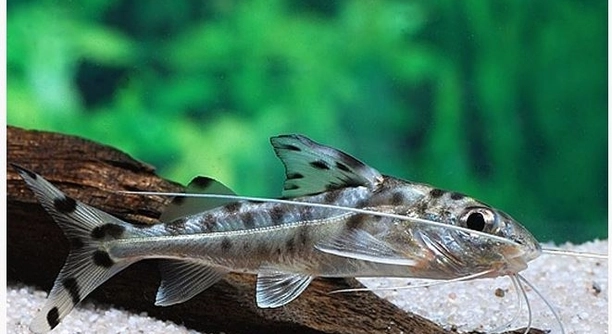
Do Pictus catfish are popular in home aquariums due to their peaceful nature and active swimming habits. Many owners observe their behavior closely, sometimes noticing changes that might seem like mood swings. Understanding these behaviors can help in better care.
Pictus catfish do exhibit changes in behavior, but these are usually responses to environmental factors rather than true mood swings. Factors like water quality, tank mates, and feeding schedules influence their activity and temperament significantly.
Learning about these influences can help maintain a healthy environment and ensure your Pictus catfish stay active and comfortable in their aquarium.
Understanding Pictus Catfish Behavior
Pictus catfish are known for their energetic swimming and social nature. They often explore the tank actively and sometimes hide when feeling threatened or stressed. Their behavior can change based on the environment, like water conditions or tank setup. Sudden changes in water temperature or poor water quality can make them less active or more withdrawn. Similarly, aggressive tank mates can cause stress, leading to more hiding or erratic movements. Feeding times also affect their mood; regular feeding keeps them comfortable and calm. Observing these signs helps owners recognize when something is off and adjust care accordingly. Keeping the tank clean, stable, and well-stocked with hiding places supports their natural behavior. Overall, Pictus catfish react to their surroundings rather than showing mood swings like mammals do. They rely on a stable environment to maintain consistent behavior and health.
Stress in Pictus catfish often results from changes in their environment or social conditions, not mood shifts.
Maintaining steady water parameters and peaceful tank companions will reduce stress and behavioral changes. Monitoring the catfish’s behavior regularly allows timely action to prevent prolonged discomfort or illness.
Signs of Stress in Pictus Catfish
When Pictus catfish experience stress, their behavior shifts noticeably. They might swim less or hide more than usual. Erratic swimming or rubbing against objects can also indicate irritation or discomfort. Stress may come from poor water quality, sudden temperature changes, or overcrowded tanks. Aggressive or incompatible tank mates add pressure, causing them to avoid open areas or eat less. In some cases, stress can weaken their immune system, making them prone to disease. Recognizing these signs early is important for prompt intervention. Testing water parameters regularly ensures a healthy habitat. Providing enough space and hiding spots helps them feel secure. Adjusting feeding schedules and avoiding sudden changes reduces stress. Proper care prevents stress-related behavior and supports the catfish’s well-being, keeping them active and thriving in the aquarium.
Environmental Factors Affecting Behavior
Water quality plays a crucial role in how Pictus catfish behave. Poor conditions often lead to sluggishness or hiding.
Maintaining stable water parameters such as pH, temperature, and ammonia levels is essential for their health. Sudden changes or fluctuations cause stress, which impacts activity and mood. Proper filtration and regular water changes prevent buildup of harmful substances, supporting their natural behavior. Additionally, the size of the tank influences their comfort. Crowded spaces limit swimming and increase stress. A spacious tank with clean water encourages more natural and consistent behavior in Pictus catfish, reducing sudden shifts that may appear as mood swings.
Lighting and tank decor also influence behavior. Bright lights or lack of hiding places can make catfish skittish. Adding plants or caves provides security, allowing them to feel safer and act more normally. Consistent care and a well-planned tank environment minimize stress responses and keep them balanced.
Social Interactions and Their Impact
Pictus catfish prefer groups of their own kind and benefit from social interaction. Alone, they may become shy or inactive.
When kept with compatible tank mates, their behavior tends to be more lively and confident. However, aggressive or territorial fish can provoke stress or defensive behavior, leading to erratic swimming or hiding. Introducing new fish should be done gradually to avoid disruptions. Observing interactions helps in identifying compatible companions that support a peaceful community tank. Proper social conditions prevent behavioral issues and help maintain a stable environment for the catfish to thrive.
Feeding Habits and Activity Levels
Feeding routines directly affect Pictus catfish activity. Regular, balanced meals keep them alert and active. Irregular feeding can cause lethargy or increased hiding.
Overfeeding leads to poor water quality, which stresses the fish and changes their behavior. Controlled feeding supports steady energy levels and natural activity patterns.
Tank Maintenance and Its Role
Consistent tank cleaning is vital for Pictus catfish health and behavior. Uneaten food and waste buildup create toxins that stress fish and cause behavioral shifts. Regular water changes and filter cleaning help maintain a stable, healthy environment. A clean tank reduces stress and encourages natural swimming and social habits, keeping catfish active and balanced.
The Influence of Lighting
Lighting affects Pictus catfish behavior. Too bright lighting can make them shy or restless. Dim, consistent lighting helps them feel secure and promotes calm activity.
Recognizing Normal vs. Abnormal Behavior
Knowing typical Pictus catfish behavior helps identify problems early. Sudden, prolonged changes may indicate stress or illness.
FAQ
Do Pictus catfish really have mood swings?
Pictus catfish do not experience mood swings like humans. Their behavior changes mainly due to environmental factors such as water quality, tank conditions, and social interactions. These factors can make them more active or withdrawn, but this is a reaction to stress or comfort rather than emotional mood shifts.
How can I tell if my Pictus catfish is stressed?
Signs of stress include hiding more than usual, erratic swimming, loss of appetite, or rubbing against objects. Stress often results from poor water conditions, aggressive tank mates, or sudden changes in the environment. Regular observation and maintaining good tank conditions can help reduce stress.
What water conditions are best for Pictus catfish?
Pictus catfish thrive in clean water with a pH between 6.5 and 7.5, temperature around 74-79°F (23-26°C), and low ammonia and nitrite levels. Regular water changes and good filtration are essential to maintain these conditions and keep the catfish healthy and comfortable.
Can Pictus catfish live alone?
While Pictus catfish can survive alone, they prefer living in groups of at least 3-5 individuals. Being in a group helps reduce stress and encourages natural social behavior. Alone, they may become shy or less active.
What tank mates are suitable for Pictus catfish?
Good tank mates are peaceful, similar-sized fish that won’t nip fins or bully the catfish. Examples include tetras, barbs, and other non-aggressive community fish. Avoid large aggressive species that may cause stress or harm.
How often should I feed my Pictus catfish?
Feeding once or twice a day with a balanced diet of sinking pellets, frozen or live foods works well. Avoid overfeeding to prevent water quality issues. A varied diet keeps them healthy and active.
Why does my Pictus catfish hide so much?
Hiding is natural when they feel insecure or stressed. Lack of hiding spots, poor water quality, or aggressive tank mates can increase hiding behavior. Providing caves, plants, and a calm environment helps them feel safe and reduces hiding.
Does lighting affect Pictus catfish behavior?
Yes, bright lights can make them shy or restless. They prefer dim or moderate lighting that mimics their natural environment. Adjusting lighting levels helps maintain calm and natural activity.
How important is tank size for Pictus catfish?
Tank size is very important. Pictus catfish are active swimmers and need at least a 30-gallon tank to move freely. Crowded tanks increase stress and may cause erratic behavior.
Can Pictus catfish recognize their owners?
They don’t recognize people like some pets, but they may learn feeding routines and become accustomed to your presence. This can make them more comfortable and active when you approach the tank.
What should I do if my Pictus catfish shows sudden behavioral changes?
Check water quality first for changes in temperature, pH, ammonia, or nitrites. Look for signs of illness or aggression from tank mates. Adjust tank conditions and remove stressors. If unsure, consult a vet or aquatic specialist.
Are Pictus catfish nocturnal?
They are mostly nocturnal but can be active during the day in a calm, well-maintained environment. Their activity often increases during feeding times or when the tank is quiet.
Do Pictus catfish get along with other bottom dwellers?
They usually tolerate other peaceful bottom dwellers, but avoid overcrowding. Provide enough space and hiding spots to reduce competition and stress.
How can I encourage my Pictus catfish to be more active?
Maintain clean water, a stable environment, and a proper feeding schedule. Adding tank mates and hiding places encourages exploration. Avoid sudden changes to keep their stress low.
Is it normal for Pictus catfish to rest on the bottom?
Yes, resting on the bottom is normal behavior. They are bottom dwellers and often rest between swimming periods. Prolonged inactivity, however, may indicate stress or illness.
What diseases affect Pictus catfish behavior?
Common diseases like ich, fin rot, or bacterial infections cause changes such as lethargy, loss of appetite, or erratic swimming. Maintaining good water quality and early treatment helps prevent these issues.
Pictus catfish are fascinating aquarium fish known for their energetic swimming and peaceful nature. Their behavior can sometimes seem unpredictable, but these changes usually reflect their reactions to the environment rather than true mood swings. Factors such as water quality, tank setup, lighting, and social conditions have a strong impact on how they act. When conditions are stable and well-maintained, Pictus catfish tend to be active, social, and healthy. Understanding these factors helps fish owners provide the best care and reduce stress for their aquatic pets.
Maintaining a consistent and clean tank environment is key to keeping Pictus catfish comfortable and displaying natural behavior. Regular water changes, stable temperature and pH levels, and good filtration support their well-being. Providing enough space and hiding places allows them to feel secure and reduces signs of stress like excessive hiding or erratic swimming. The presence of compatible tank mates also plays an important role in their social behavior. A calm, peaceful community tank encourages healthy interactions and keeps the catfish more confident and active.
Observing your Pictus catfish regularly helps you notice any behavioral changes that might signal stress or health issues. Promptly addressing water quality problems or adjusting tank conditions can prevent more serious problems. Although they do not experience mood swings like humans, their behavior offers valuable insight into how well they are adapting to their environment. With proper care and attention, Pictus catfish will thrive and bring enjoyment to any aquarium.

Hello,
If you enjoy the content that we create, please consider saying a "Thank You!" by leaving a tip.
Every little bit helps us continue crafting quality advice that supports the health, happiness, and well-being of pets around the world, for pets of all shapes, sizes, and species.
We really appreciate the kindness and support that you show us!