
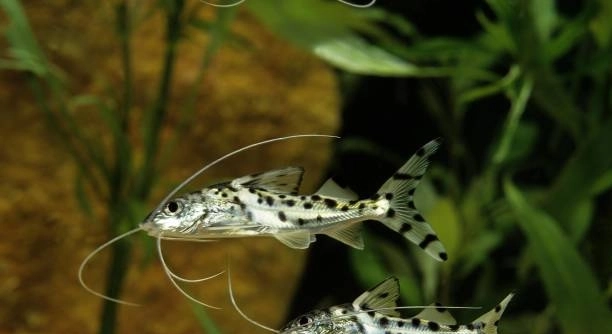
Are you thinking about adding Pictus Catfish to your aquarium and wondering how they behave during feeding time? These small, active fish have a unique way of eating that can affect your tank environment. Understanding their habits helps in maintaining a clean and healthy aquarium.
Pictus Catfish can be somewhat messy eaters due to their natural foraging behavior. They tend to scatter food particles around the tank as they search for meals, which may result in leftover debris settling on the substrate. Proper feeding techniques and tank maintenance can minimize this mess effectively.
Knowing how Pictus Catfish eat and why they make a mess can help you manage your aquarium better. This article will explain their feeding habits and provide tips to keep your tank tidy and comfortable for your fish.
Why Pictus Catfish Scatter Food
Pictus Catfish are bottom feeders that use their whisker-like barbels to explore the tank floor. When feeding, they often dig into the substrate to find food particles, which causes uneaten bits to spread around. This natural behavior helps them search thoroughly but can lead to food scattering. They also swim actively during feeding, creating water movement that stirs up debris. Overfeeding can worsen the mess, as excess food remains uneaten and decomposes. Feeding smaller amounts more frequently reduces waste. Tank owners should use sinking pellets or wafers to keep food near the bottom and avoid floating flakes that may be disturbed. Regular cleaning is essential to prevent waste buildup. By understanding these habits, tank maintenance becomes more manageable and ensures a healthier environment for your catfish and other aquatic inhabitants.
Feeding Pictus Catfish carefully can limit leftover food and reduce mess in the aquarium. Keeping the feeding area tidy helps maintain water quality.
The key to managing scattered food lies in feeding techniques and tank setup. Providing appropriate food types like sinking pellets ensures Pictus Catfish get their meals without excessive waste. Monitoring feeding times and quantities prevents leftover bits that cause mess. A substrate that is easy to clean, such as sand or fine gravel, also helps keep the tank neat. Regular vacuuming of the substrate removes hidden debris. Some aquarists add cleanup fish or snails that consume leftovers, helping to maintain cleanliness. Understanding and working with the Pictus Catfish’s natural behavior makes feeding less messy and keeps the aquarium balanced and inviting.
How to Keep Your Tank Clean With Pictus Catfish
Cleaning is crucial when keeping Pictus Catfish because they can stir up debris.
Regular substrate vacuuming helps remove scattered food and waste before it decomposes. Performing water changes often prevents buildup of harmful toxins. Using a good filter supports water clarity and quality. Avoid overfeeding to reduce leftover food. Some aquarists add algae eaters or scavengers to assist with cleaning. Keeping plants and decorations minimal can make cleaning easier. Staying consistent with maintenance ensures your tank stays healthy and comfortable for your fish.
In addition to feeding habits, tank cleaning plays a vital role in controlling mess. Pictus Catfish are active swimmers who disturb the substrate regularly, so vacuuming is necessary at least once a week. Removing uneaten food quickly prevents it from breaking down and polluting the water. Frequent water changes help dilute waste products and keep conditions stable. Using an efficient filter system improves circulation and removes fine particles. Avoid overcrowding your tank, as more fish mean more waste. Adding tank mates like snails or shrimp that feed on leftovers can assist in reducing debris. By combining careful feeding and regular cleaning, your Pictus Catfish will thrive without causing excessive mess in your aquarium.
Feeding Tips for Pictus Catfish
Feeding Pictus Catfish small amounts multiple times a day reduces waste and keeps the tank cleaner. Using sinking pellets or wafers works best since they feed at the bottom.
Pictus Catfish are bottom feeders who need food that sinks quickly. Feeding them sinking pellets or wafers helps ensure the food reaches them without floating away and creating mess. It’s important to avoid overfeeding because uneaten food breaks down and pollutes the water. Feeding small portions two to three times daily is ideal. This practice mimics their natural behavior and reduces leftover food. It also encourages active feeding and prevents competition among tank mates. Careful feeding makes a big difference in tank cleanliness and fish health.
Some tank owners use feeding rings to concentrate food in one area. This method prevents food from spreading all over the substrate. Also, observe your catfish during feeding to adjust portion sizes based on their appetite. Keeping food controlled and targeted reduces scattering and keeps your aquarium neater over time.
Choosing Tank Mates for Pictus Catfish
Good tank mates help maintain balance and reduce waste buildup in a Pictus Catfish tank. Choose peaceful bottom and mid-level fish.
Tank mates should be compatible in size and temperament with Pictus Catfish. Peaceful species like Corydoras, small tetras, or rasboras work well. Avoid aggressive or large fish that may stress or outcompete them. Adding scavengers like snails or shrimp helps clean leftover food and debris. These companions contribute to a cleaner tank by eating leftovers and preventing waste accumulation. Keeping compatible tank mates ensures a peaceful environment, reducing stress and mess.
Avoid overcrowding your aquarium, as too many fish increase waste and uneaten food. Proper stocking levels improve water quality and reduce cleaning needs. Research each species’ habits and diet to create a balanced community. By selecting appropriate tank mates, you support the health of your Pictus Catfish and maintain a cleaner, more manageable aquarium environment.
Common Feeding Mistakes
Overfeeding is a frequent mistake that leads to leftover food and poor water quality. Feeding too much at once causes uneaten pellets to settle and decay.
Ignoring the catfish’s natural feeding habits can increase mess. Feeding too little or irregularly may stress them, causing erratic behavior and food scattering.
Best Substrate Choices for Pictus Catfish
Choosing the right substrate helps reduce mess caused by feeding activity. Soft sand or fine gravel is ideal because it won’t trap food particles deeply. These substrates allow easy cleaning and prevent food from hiding, reducing waste buildup. Avoid sharp or coarse substrates that can harm their barbels. A smooth substrate also makes vacuuming simpler, keeping the tank clean. Selecting an easy-to-maintain substrate supports both the health of your catfish and the overall cleanliness of the aquarium.
Using Automatic Feeders
Automatic feeders can help control portion size and feeding times, reducing overfeeding risks. This ensures consistent meals without excess food in the tank.
FAQ
Are Pictus Catfish really messy eaters?
Yes, Pictus Catfish tend to be somewhat messy when they eat. Their natural behavior involves digging and searching along the tank bottom, which scatters food around. They don’t always finish all the pellets or flakes they get, so leftover food can spread across the substrate. This messiness is common among many bottom-dwelling fish, but with good feeding habits and proper tank maintenance, it can be managed effectively.
How often should I feed my Pictus Catfish?
Feeding small amounts two to three times daily works best. This prevents leftover food from accumulating and helps keep the tank cleaner. Overfeeding once a day often leads to more uneaten food and higher waste levels. By dividing the feeding into smaller portions, the catfish can eat more naturally and you reduce the chance of water pollution.
What type of food is best for Pictus Catfish?
Sinking pellets or wafers are ideal because Pictus Catfish feed at the bottom of the tank. Avoid floating flakes that may get scattered or eaten by surface fish before your catfish can reach them. You can also supplement their diet with occasional live or frozen foods like bloodworms or brine shrimp for variety and added nutrition.
Will Pictus Catfish eat all the leftover food in the tank?
Not always. While they do pick at leftover food, they often miss some pieces, especially if the food gets buried in the substrate. This is why uneaten food can accumulate and cause mess. Regular cleaning and vacuuming of the substrate help remove these leftovers before they cause water quality problems.
Can tank mates help reduce mess from feeding?
Yes, certain tank mates can assist by eating leftover food. Snails, shrimp, and some small bottom-dwellers like Corydoras catfish often clean up debris and uneaten pellets. However, it’s important to choose peaceful species that won’t compete aggressively with your Pictus Catfish or cause stress.
Is overfeeding the main reason for mess in the tank?
Overfeeding is a major factor but not the only one. Pictus Catfish’s natural digging and active swimming during feeding also stir up debris. Still, overfeeding worsens the problem by leaving more uneaten food that breaks down and dirties the tank.
How do I clean the tank to manage feeding mess?
Regular substrate vacuuming during water changes is essential. Aim to vacuum once a week or more, depending on how much food is left behind. Frequent water changes and a good filter system also help maintain clean water by removing particles and waste. Avoid disturbing the tank too much at once, which can stress your fish.
Are automatic feeders a good idea for Pictus Catfish?
Automatic feeders can be helpful if used correctly. They provide controlled portion sizes at regular intervals, reducing the risk of overfeeding. However, it’s important to monitor your catfish’s response and adjust feeding times and amounts accordingly to avoid excess food buildup.
Can substrate choice affect how messy Pictus Catfish are?
Yes, substrate plays a role. Soft sand or fine gravel is better because food doesn’t get trapped deeply, making cleaning easier. Rough or sharp substrates can hide food and debris more, increasing mess and the chance of water contamination. Smooth substrates also protect the catfish’s sensitive barbels from damage.
What happens if I don’t manage the mess caused by feeding?
Ignoring leftover food and debris can lead to poor water quality, algae growth, and unhealthy conditions for your fish. Excess waste increases ammonia and nitrite levels, which are toxic to fish. This can cause stress, illness, and even death if not addressed promptly.
Do Pictus Catfish make more mess in certain tank setups?
Yes, tank size and decoration can influence mess. Smaller tanks fill up faster with debris, requiring more frequent cleaning. Tanks with dense plants or decorations might trap uneaten food more easily, making it harder to clean. Keeping a balance of open space and plants helps manage waste better.
Can I train Pictus Catfish to eat less messily?
While you can’t change their natural behavior, you can reduce mess by feeding the right amount and type of food. Watching their feeding habits and adjusting portions helps prevent leftover food. Using feeding tools like rings or feeding in a single spot can also minimize scattered food.
How important is water flow for reducing mess?
Good water circulation helps move uneaten food to the filter instead of settling on the substrate. However, too strong a current might stress Pictus Catfish, so balance is needed. A moderate flow that promotes filtration without disturbing the fish is best.
Should I remove uneaten food immediately?
It’s a good practice to remove any leftover food after about 10-15 minutes if your catfish haven’t eaten it. This prevents decay and water pollution. Using a siphon or net to scoop out uneaten pellets helps keep the tank clean.
Are Pictus Catfish more messy than other bottom feeders?
They are similar in messiness to other active bottom feeders like Corydoras or loaches. Their digging and foraging habits naturally cause some scattering of food. However, with proper care, their messiness can be controlled as well as other species.
What signs show my Pictus Catfish are being overfed?
Signs include leftover food on the substrate, cloudy water, and fish that appear overweight or inactive. Uneaten food often leads to algae growth and foul smells. Monitoring feeding closely and adjusting portions helps avoid these issues.
Pictus Catfish are interesting fish with natural behaviors that sometimes lead to messiness when they eat. Their habit of digging and searching for food on the tank bottom means they often scatter food around. This is a normal part of how they feed and explore their environment. While this can make tank maintenance a bit more demanding, it also reflects their active and lively nature. Understanding this behavior helps fish owners prepare for some extra cleaning but also enjoy watching these unique fish in action.
Managing the mess from Pictus Catfish is mostly about careful feeding and good tank care. Feeding small portions multiple times a day instead of one large meal reduces leftover food. Using sinking pellets or wafers that reach the bottom quickly helps the catfish eat more efficiently. Avoiding overfeeding is key to keeping the tank clean and water healthy. Along with this, regular vacuuming of the substrate and timely water changes are necessary to remove uneaten food and waste. Choosing the right substrate like fine gravel or soft sand also makes cleaning easier and protects the catfish’s barbels. Together, these steps keep both the fish and the aquarium environment healthy.
It is also important to consider the tank setup and companions for your Pictus Catfish. Selecting peaceful tank mates that help clean up leftovers, like certain snails or shrimp, can reduce mess and maintain balance. A good filter system and moderate water flow assist in keeping the tank clean without stressing the fish. Overcrowding should be avoided to minimize excess waste. While Pictus Catfish can create some mess when feeding, thoughtful care and maintenance make it manageable. This balance allows the fish to thrive and the aquarium to remain an attractive, healthy space.

Hello,
If you enjoy the content that we create, please consider saying a "Thank You!" by leaving a tip.
Every little bit helps us continue crafting quality advice that supports the health, happiness, and well-being of pets around the world, for pets of all shapes, sizes, and species.
We really appreciate the kindness and support that you show us!