
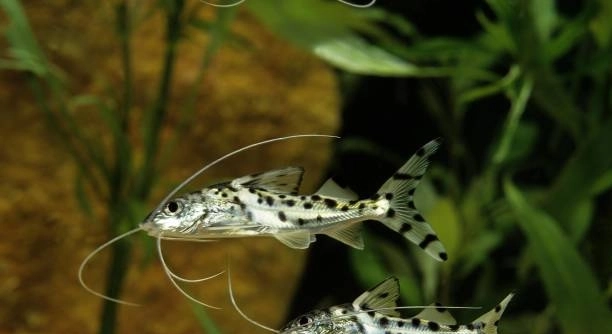
Is your Pictus catfish acting differently, hiding more often, or refusing food after a recent stressor in its environment? These behaviors can be signs that your fish is struggling and needs extra care.
The best way to help a stressed Pictus catfish recover quickly is by maintaining stable water conditions, reducing noise and movement near the tank, and offering a calm, low-light environment with plenty of hiding spots.
Creating the right environment is key to helping your fish feel secure again and can make a big difference in its recovery process.
Spotting the Early Signs of Stress
A stressed Pictus catfish may start acting withdrawn or restless. You might notice it swimming erratically, hiding more than usual, or refusing to eat. These signs often appear after tank changes, loud noises, or sudden environmental shifts. Even small things like tapping on the glass or moving decorations around can cause stress. Poor water quality is another common cause. High ammonia or nitrate levels can lead to discomfort and confusion. Stress can also weaken their immune system, making them more likely to get sick. If caught early, these signs can be managed quickly. It’s important to observe your fish daily to notice these subtle changes. Look for torn fins, dull coloration, or gasping near the surface. These signs don’t always mean something serious, but they should not be ignored. A calm, steady environment is the first step in making sure your Pictus feels safe and returns to normal.
Small shifts in behavior, like darting or hiding, often appear before more serious issues. Watch for patterns over time.
If your fish is showing stress signs, take action early. Don’t wait for the problem to worsen. Turn off bright lights, avoid loud sounds, and make sure the tank is in a peaceful location. Keep handling or tank changes minimal during this time.
Steps to Support a Fast Recovery
Provide clean, stable water with the right temperature and pH balance. Avoid sudden changes that could stress your fish even more.
The most important step is to test your tank water. Ammonia and nitrite levels should be at zero, and nitrate should stay low. Use a reliable water testing kit and do partial water changes if needed. Next, make sure your tank has hiding spots like caves or plants. Pictus catfish feel more secure when they have places to rest out of sight. Dim lighting also helps calm them. Avoid loud rooms or heavy foot traffic near the tank. If you’ve recently added new fish or changed décor, give your Pictus time to adjust. Keep feeding simple. Offer familiar foods but don’t overfeed. Uneaten food can pollute the water. Try not to clean the tank or move things around during recovery unless necessary. Lastly, stay patient. A calm and steady environment gives your fish the best chance to bounce back.
Common Triggers You Might Be Overlooking
Sudden tank changes, like new decorations or substrate swaps, can unsettle your Pictus catfish. Even minor water chemistry shifts or a noisy room can trigger stress responses. These are often missed but can have lasting effects on your fish’s behavior.
High nitrate levels and irregular water temperatures can create an unstable environment. If the heater malfunctions or if the water cools too much during a water change, stress can build quickly. Overcrowding is another factor that’s easy to overlook. Pictus catfish are active swimmers and need enough space. Tank mates also matter—a fish that chases or outcompetes your Pictus during feeding can create daily anxiety. Even small, non-aggressive fish can become a problem if they interrupt your catfish’s space too often. Monitor your tank during feeding time and check for unusual behavior after any changes. Small things, when stacked, often make a big impact on your fish’s wellbeing.
Lighting also plays a bigger role than many realize. Bright or inconsistent lighting can confuse your Pictus catfish and disturb its natural rhythm. Sudden flashes or lights left on too long may cause hiding or erratic swimming. Try to keep lights on a timer with a soft morning and evening transition. If your tank is near a window, make sure it’s not receiving direct sunlight, as that can raise the temperature quickly and stress the fish further. Noise can be another overlooked factor. Vibrations from televisions or heavy movement near the tank can unsettle your catfish. Reducing these stressors often results in a calmer, more responsive fish.
How to Create a Safe and Calming Tank Setup
A safe tank setup starts with consistency. Keep water parameters steady, avoid loud areas, and give your Pictus space to hide. Use live or silk plants, soft lighting, and a low-flow filter to reduce noise and movement.
Choose a tank size of at least 55 gallons to give your catfish room to swim comfortably. A long tank works better than a tall one. Add smooth décor and caves made from safe materials. Avoid sharp objects that could damage their fins. Stick to a simple layout and don’t rearrange often. Place the tank somewhere quiet—away from doors, speakers, or TVs. Use a reliable heater and thermometer to keep the temperature between 75–80°F. Add a sponge or pre-filter to reduce water flow. Cover the top securely since Pictus catfish are known jumpers. Keep lighting soft and on a fixed schedule. These small efforts create a more natural and stress-free environment for recovery.
Feeding Tips During Recovery
Stick to small, familiar meals once a day. Offer sinking pellets or bloodworms, which are gentle on the stomach and easy to digest. Avoid changing food types suddenly, as that can cause more stress or lead to food refusal.
Remove uneaten food within ten minutes to keep the water clean. A stable feeding routine helps build comfort and encourages your Pictus catfish to eat again. Keep the environment calm during feeding, and make sure tank mates aren’t competing or creating stress during mealtime.
Monitoring Progress Without Adding Stress
Observe your fish quietly from a distance each day. Look for signs like steady swimming, regular eating, and less hiding. Avoid tapping the glass or rearranging the tank during this time. If the Pictus remains skittish or refuses food for over a week, consider testing water parameters again or speaking with a vet. Keep notes if needed, so you can track any subtle improvements or setbacks. Recovery can take time, and every fish is different. Patience and consistency are key to helping your Pictus catfish regain its normal behavior without adding any extra pressure.
When to Involve a Specialist
If your fish shows signs of illness like fin rot, white spots, or heavy breathing, it’s time to call a vet. Don’t wait too long.
FAQ
How long does it take for a stressed Pictus catfish to recover?
Recovery time varies but usually takes about one to two weeks if the environment is stable. Some fish may bounce back faster, while others need more time depending on the stress level and any health issues. Consistency in care is important to speed up recovery.
What are the most common signs of stress in Pictus catfish?
Common signs include hiding more than usual, loss of appetite, erratic swimming, pale coloration, and clamped fins. You may also notice increased gill movement or gasping at the surface. These signs show the fish is uncomfortable and needs a calmer environment.
Can water changes help reduce stress?
Yes, regular water changes help keep the tank clean and water parameters stable, which reduces stress. However, avoid large or sudden water changes, as drastic shifts can worsen stress. Aim for 20-30% water changes weekly using water treated to remove chlorine and chloramine.
Is it okay to isolate a stressed Pictus catfish?
Isolation can help if tank mates are aggressive or competing for food, but it’s not always necessary. If the tank is peaceful and spacious, focus on improving the environment rather than separating your fish. Isolation should be temporary and done in a properly cycled quarantine tank.
What foods are best for a stressed Pictus catfish?
Offer high-quality sinking pellets and frozen or live bloodworms or brine shrimp. These are nutritious and easy to digest. Avoid sudden diet changes. Feed small amounts once or twice a day, removing leftovers quickly to prevent water pollution.
Can lighting affect my fish’s stress levels?
Yes, bright or flickering lights can cause stress. Pictus catfish prefer dim lighting with a consistent day-night cycle. Using a timer and adding plants or decorations for shade can create a calming environment.
How often should I test the water during recovery?
Test water parameters at least twice a week during recovery, checking ammonia, nitrite, nitrate, pH, and temperature. Stable and safe water quality is essential for healing and stress reduction.
What should I do if my Pictus catfish stops eating?
Try feeding small amounts of favorite foods like bloodworms or brine shrimp in a quiet environment. If it refuses food for more than three days, check water quality and look for illness signs. Prolonged refusal may require veterinary advice.
Are there any supplements or treatments to help stressed fish?
Some aquarium products help reduce stress by adding natural extracts or improving water quality. Use these carefully and follow instructions. Avoid overuse of medications unless prescribed, as unnecessary treatment can cause more harm.
Can tank decorations cause stress?
Yes, rough or sharp decorations can injure your fish, while cluttered tanks limit swimming space. Smooth caves, plants, and hiding spots offer security without crowding. Keep the tank layout simple and stable.
What role do tank mates play in stress?
Aggressive or fast fish can stress a Pictus catfish by chasing or outcompeting them. Choose peaceful tank mates of similar size and temperament. Monitor interactions to ensure your Pictus isn’t being bullied or frightened.
Is water temperature important for stress recovery?
Yes, Pictus catfish thrive between 75–80°F (24–27°C). Sudden temperature drops or spikes can cause stress or illness. Use a reliable heater and thermometer to keep the temperature steady.
How can I reduce noise around the tank?
Place the tank away from loud appliances, speakers, or heavy foot traffic. Soft background noise is better than sudden, loud sounds. Avoid tapping on the glass, which startles fish and disrupts their environment.
What if my Pictus catfish hides all the time?
Hiding is normal when they feel unsafe. Ensure there are plenty of hiding spots and reduce stress factors like bright lights or noisy surroundings. If hiding continues with no improvement after weeks, check water quality and health.
Can poor water quality cause stress even if the fish looks healthy?
Yes, poor water quality can cause internal stress and weaken the immune system before visible signs appear. Regular testing and maintenance prevent hidden stress and keep your fish healthy.
How can I prevent future stress for my Pictus catfish?
Maintain stable water conditions, provide a calm environment, avoid overcrowding, and choose compatible tank mates. Keep a consistent feeding and cleaning schedule, and watch for early signs of stress to act quickly.
Helping a stressed Pictus catfish recover quickly requires attention to its environment and behavior. The first step is creating a calm, stable tank where your fish can feel safe. Maintaining clean water with stable temperature and pH levels is essential. Sudden changes in water chemistry or temperature can add to the stress, so it is important to keep things consistent. Quiet surroundings, soft lighting, and plenty of hiding spots also make a big difference. These conditions help the fish relax and regain normal behavior more quickly.
Feeding your Pictus catfish properly during recovery is another important part of care. Stick to small, regular meals of familiar foods, like sinking pellets or bloodworms. Avoid sudden diet changes that could upset their digestion. Removing uneaten food promptly keeps the tank clean and prevents water quality problems. Watching your fish’s behavior daily will help you know when it is starting to feel better. Look for signs like steady swimming, regular eating, and less hiding. Patience is key, as each fish recovers at its own pace, and pushing too hard can cause more harm than good.
Finally, preventing future stress means paying attention to tank conditions and your fish’s needs over the long term. Keeping a consistent routine for feeding, cleaning, and water testing helps avoid sudden surprises. Choosing peaceful tank mates and giving your Pictus plenty of space to swim reduces conflict. Remember to avoid loud noises, bright lights, and constant tank rearrangements. By creating a stable and comfortable home, you support your Pictus catfish’s health and happiness for years to come. Small, steady steps lead to the best results when helping a stressed fish recover.

Hello,
If you enjoy the content that we create, please consider saying a "Thank You!" by leaving a tip.
Every little bit helps us continue crafting quality advice that supports the health, happiness, and well-being of pets around the world, for pets of all shapes, sizes, and species.
We really appreciate the kindness and support that you show us!