
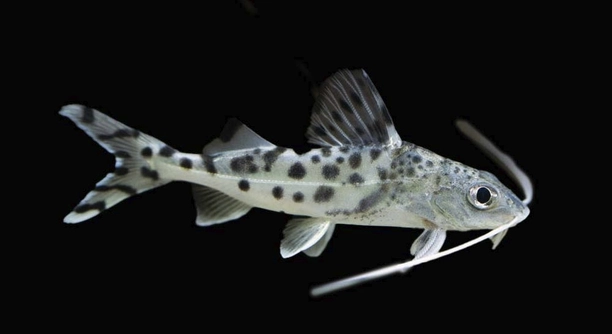
Many aquarium enthusiasts enjoy keeping Pictus cats because of their active and peaceful nature. However, choosing the right tank mates for these fish can sometimes be challenging. Certain species may not get along well with Pictus, leading to stress or harm.
Pictus cats have specific behavioral traits that make them incompatible with some common aquarium species. Aggressive or overly territorial fish can cause conflicts, while very small or slow-moving fish might become targets. Understanding these dynamics is essential to maintain a harmonious tank environment.
Knowing which fish to avoid helps keep your aquarium peaceful and your Pictus healthy. The following guide explains seven tank mates that often don’t work well with Pictus cats.
Aggressive Cichlids
Aggressive cichlids are often a poor match for Pictus cats. These fish tend to defend their territory strongly and may chase or attack other tank mates. Pictus cats prefer to swim near the bottom and need a calm environment. When aggressive cichlids share the tank, they can stress out Pictus, causing them to hide or stop eating. This stress can weaken their immune system and make them vulnerable to disease. Even if the Pictus seems fine at first, long-term exposure to aggressive fish can shorten their lifespan. It’s best to avoid combining these species unless you have a very large tank with many hiding spots. Providing enough space helps, but often it’s safer to keep aggressive cichlids separate to maintain peace.
Aggressive cichlids are a common source of conflict in community tanks with Pictus.
Choosing peaceful tank mates allows Pictus cats to thrive in a less stressful environment. Calm species won’t disturb their behavior or compete aggressively for food. This balance helps maintain a healthy aquarium for all fish involved.
Small, Slow-Moving Fish
Small, slow-moving fish are often easy targets for Pictus cats. Since Pictus have a natural hunting instinct, they may see these fish as prey, especially if the smaller fish cannot escape quickly. Slow swimmers such as certain tetras or small gouramis can get chased or stressed out. Even if the Pictus don’t harm them outright, constant chasing reduces the smaller fish’s quality of life. This situation can lead to injuries or weakened health over time. The tank environment becomes unsafe, and fish may hide all the time, losing their natural behaviors. For this reason, it is better to avoid keeping tiny, slow fish with Pictus cats unless the tank is very large with plenty of hiding spaces. This reduces stress and prevents unnecessary harm.
Small, slow-moving fish often suffer in tanks with active Pictus cats.
In a mixed aquarium, balancing the size and speed of fish is important. Pictus cats are naturally fast and curious swimmers, so their companions should be able to handle their quick movements. Choosing species that can hold their own helps keep the tank peaceful. Alternatively, adding many hiding spots allows smaller fish to escape if needed. This way, all fish can coexist more comfortably, reducing stress and aggression. Avoiding slow, tiny fish altogether remains the safest choice in most setups.
Fin-Nipping Species
Fin-nipping fish can cause serious problems for Pictus cats. Their delicate fins are easily damaged, which leads to stress and infection.
Fish like barbs and some danios are known for nipping fins. Pictus cats have long, flowing fins that attract this behavior. Constant fin damage weakens the Pictus, making it harder for them to swim and stay healthy. Additionally, injured fins can develop bacterial infections that require treatment. Keeping fin-nippers with Pictus cats often results in ongoing conflict and health issues. Preventing this by avoiding fin-nipping species saves trouble and keeps the tank calm.
Pictus cats need peaceful tank mates that respect their fins. Choosing species that don’t nip helps maintain their well-being and reduces stress in the aquarium.
Large, Aggressive Bottom Dwellers
Large, aggressive bottom dwellers create competition for space and food with Pictus cats. Both occupy the lower tank areas, which can lead to conflict. Species such as certain catfish or loaches may defend their territory aggressively. This behavior leaves little room for Pictus cats to swim and hide. Constant competition stresses Pictus and can cause injuries. Aggressive bottom dwellers may also eat leftover food before Pictus get to it, leading to poor nutrition. Separating these species or providing ample space and hiding places reduces fights. It is important to consider tank size and fish behavior when mixing bottom dwellers. A peaceful community tank requires careful planning to keep everyone comfortable.
Fast, Territorial Fish
Fast, territorial fish can stress Pictus cats by chasing them constantly. This behavior disrupts the calm environment Pictus need.
These fish defend their space aggressively, leaving little room for Pictus to swim peacefully. Avoiding fast, territorial species helps keep the tank balanced.
Large, Slow-Moving Fish
Large, slow-moving fish often attract unwanted attention from Pictus cats. Their sluggish movements can provoke curiosity or mild aggression from Pictus. This leads to chasing and stress for both parties. In many cases, these large fish cannot defend themselves well against the faster Pictus, causing tension in the tank. A well-planned tank setup with enough hiding spots may reduce conflict, but mixing these species usually requires caution.
Overcrowded Tanks
Overcrowded tanks increase competition and stress for all fish. Pictus cats thrive best in spacious environments with enough room to swim freely.
FAQ
What types of fish are best to keep with Pictus cats?
The best tank mates for Pictus cats are peaceful, medium to large-sized fish that swim in the middle or upper parts of the tank. Species like danios, barbs (that aren’t fin-nippers), and larger tetras can work well. Avoid aggressive or overly territorial fish. Providing plenty of hiding spots helps everyone feel safe.
Can Pictus cats live with other bottom dwellers?
Yes, but it depends on the species. Non-aggressive, smaller bottom dwellers like Corydoras catfish usually get along fine with Pictus. However, large or aggressive bottom dwellers can compete for space and food, causing stress or fights. Always research the behavior of potential tank mates before mixing.
How big should a tank be for Pictus cats and their companions?
A larger tank, at least 55 gallons, is recommended when keeping Pictus cats with other fish. This provides enough space for swimming and hiding. Overcrowding increases stress and aggression, so proper tank size helps maintain harmony.
What signs show Pictus cats are stressed by their tank mates?
Signs include hiding more than usual, refusing food, damaged fins or scales, and erratic swimming. Stress weakens their immune system and can lead to illness. Watching your fish regularly helps catch these signs early.
Are Pictus cats aggressive toward other fish?
Pictus cats are generally peaceful but can be curious and fast-moving. They may chase smaller or slower fish, especially if stressed or hungry. Their behavior is usually not aggressive but can cause stress to more timid tank mates.
Can Pictus cats live alone?
Yes, they can live alone but prefer having companions of their own species or similar temperament. Keeping multiple Pictus cats together allows natural social behaviors, but too many in a small tank can cause stress.
How do I prevent fin-nipping in a community tank with Pictus?
Avoid adding known fin-nipping species like tiger barbs or some danios. Ensure tank mates are compatible in size and temperament. Provide plenty of space and hiding places to reduce stress and aggressive behaviors.
What should I feed Pictus cats in a community tank?
Pictus cats are omnivores and need a varied diet. High-quality sinking pellets, frozen or live foods like bloodworms and brine shrimp work well. Feeding in the evening when they are most active helps ensure they get enough food alongside other fish.
How often should I clean the tank with Pictus cats and their tank mates?
Regular maintenance is important. Weekly water changes of 20-30% keep water quality high. Clean filters monthly and remove uneaten food to prevent pollution. Good water quality reduces stress and illness for all fish.
Can Pictus cats live with shrimp or snails?
Generally, shrimp and small snails are not safe with Pictus cats. Their natural hunting instinct may lead them to eat these smaller creatures. Larger snail species might be safer, but it varies by tank setup and fish behavior.
Choosing the right tank mates for Pictus cats is very important for a healthy and peaceful aquarium. These fish have unique needs and behaviors that can make certain companions unsuitable. Avoiding aggressive or overly territorial fish helps prevent stress and injuries. Also, keeping fish that are too small or slow-moving can lead to unwanted chasing or harm. When the right species are chosen, Pictus cats can live comfortably and show their natural active behavior without fear or competition.
Space plays a big role in keeping Pictus cats and their tank mates happy. A larger tank gives everyone room to swim and hide, which reduces conflicts. Overcrowded tanks increase stress and aggression, which is bad for all fish. Along with space, providing plenty of hiding places helps shy or smaller fish feel safe. It also lets Pictus cats have quiet spots to rest. This setup encourages harmony and keeps fish healthy by reducing stress levels.
Regular care and observation are just as important as choosing the right fish. Keeping the water clean and feeding the fish properly supports their well-being. Watching for signs of stress or illness allows you to act quickly before problems grow worse. Understanding how Pictus cats interact with their tank mates helps prevent conflicts and ensures a balanced environment. With good planning and attention, you can create a tank where Pictus cats and other fish live peacefully together for a long time.

Hello,
If you enjoy the content that we create, please consider saying a "Thank You!" by leaving a tip.
Every little bit helps us continue crafting quality advice that supports the health, happiness, and well-being of pets around the world, for pets of all shapes, sizes, and species.
We really appreciate the kindness and support that you show us!