
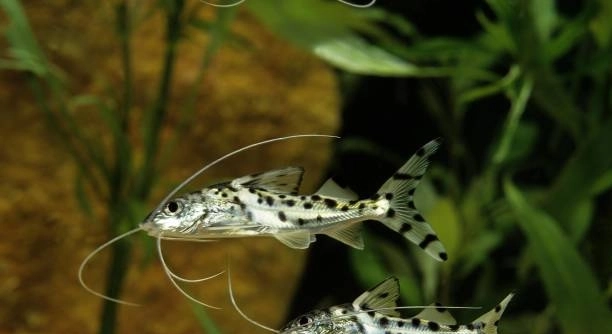
Are you ready to give your pictus catfish a more comfortable home as it grows? Moving these lively fish to a bigger tank is important for their health and happiness. This process requires careful planning and attention.
Transitioning a pictus catfish to a larger tank involves gradually acclimating the fish to its new environment, maintaining water quality, and ensuring the tank setup mimics its current habitat to reduce stress and promote adaptation.
Properly upgrading your catfish’s tank can improve its well-being and longevity. This article will guide you through simple, effective steps for a smooth transition.
Preparing the New Tank
Before moving your pictus catfish, make sure the new tank is ready. It should be clean and fully cycled to keep the water safe and stable. The temperature, pH, and hardness need to match the old tank as closely as possible. Add plenty of hiding spots and plants, so the catfish feels secure in its new space. Avoid strong lighting since pictus catfish prefer dim environments.
It is important to keep the tank environment consistent to reduce stress during the move.
Setting up the new tank carefully is key for a smooth transition. Begin by testing the water parameters to ensure they match the original tank. Use a water conditioner to remove harmful chemicals. Arrange decorations and plants to mimic familiar hiding spots. After filling the tank, run the filter for at least 24 hours. This helps establish good bacteria needed for healthy water. Make sure the temperature stays stable, ideally between 74°F and 79°F (23°C to 26°C). Introducing the fish into a calm, comfortable environment lowers the chance of shock and promotes quicker adjustment.
Moving the Pictus Catfish
Transfer your pictus catfish slowly to avoid sudden changes.
Start by floating the bag with your fish in the new tank to equalize temperatures. Gradually mix small amounts of the new tank water into the bag over 30 minutes. This helps the fish adjust to new water chemistry. Avoid rushing this process, as pictus catfish are sensitive to changes. When ready, gently release the fish into the tank without squeezing or stressing it. Watch your catfish closely for signs of stress or illness during the first few days. Keeping the lighting low and limiting noise will help it settle in more comfortably. Regular feeding and water monitoring will support the catfish’s health during this time.
Monitoring Water Quality
Maintaining clean water is essential after moving your pictus catfish to a bigger tank. Regular testing helps catch issues early.
Check ammonia, nitrite, and nitrate levels frequently, especially in the first week. High ammonia or nitrites can harm your fish quickly. Perform partial water changes if levels rise. Use a reliable test kit to keep measurements accurate. Also, monitor pH and temperature to make sure they remain stable. Keeping the filter clean and running well supports water quality. Avoid overfeeding, as leftover food can pollute the water. Consistent water care reduces stress and supports your catfish’s health in its new home.
If any signs of illness appear, like clamped fins or lack of appetite, test the water immediately. Often, poor water quality causes stress-related health problems. By acting quickly, you can prevent more serious issues.
Feeding Adjustments
Your pictus catfish’s diet may need small changes after moving to a bigger tank. Adjust feeding amounts and schedules carefully.
Offer a balanced diet including sinking pellets, frozen foods, and occasional live treats. Feeding smaller portions two to three times a day helps prevent leftovers. Clean uneaten food promptly to avoid water pollution. Watch how your catfish responds and adjust the amount as needed. Fresh food encourages activity and better health. Feeding at regular times also creates a routine that helps your fish feel secure. Avoid overfeeding, which can cause digestive problems and degrade water quality.
After settling in, try varying the diet slightly to keep your catfish interested. Introducing new foods gradually allows them to adjust without stress. Observing eating habits will guide you in making proper feeding choices for long-term wellbeing.
Tank Decoration and Hiding Spots
Pictus catfish feel safer with plenty of hiding places in their tank. Add caves, driftwood, and dense plants to create secure spots.
Providing dim lighting and shaded areas also helps reduce stress. A natural setup encourages your catfish to explore and feel comfortable in the larger space.
Acclimating to New Tankmates
When adding new fish, introduce them slowly and carefully. Watch for any signs of aggression or stress between tankmates. Keeping peaceful species together helps maintain harmony. Avoid overcrowding to prevent competition for food and hiding spots. Regular observation ensures all fish adapt well to the new environment without conflict.
Signs of Stress in Pictus Catfish
Stress can show through rapid breathing, hiding excessively, or refusing food. Early detection helps you act fast.
FAQ
How long should I wait before moving my pictus catfish to the bigger tank?
Wait until the new tank is fully cycled, which usually takes about 4 to 6 weeks. This ensures the water is safe and stable for your fish. Moving them too soon risks exposing them to harmful ammonia and nitrites.
What is the best way to introduce my pictus catfish to the new tank?
Float the bag with your fish in the new tank for 20 to 30 minutes to equalize temperature. Slowly add small amounts of the new tank water into the bag over 30 minutes. This helps your catfish adjust to new water chemistry gradually before release.
Can I move my pictus catfish directly from the old tank to the new one?
Direct transfer is not recommended. Sudden changes in water parameters can stress your fish. Gradual acclimation reduces the chance of shock and helps the catfish settle in smoothly.
How do I know if my pictus catfish is stressed after moving?
Signs of stress include hiding constantly, rapid breathing, loss of appetite, or clamped fins. Stress weakens their immune system, so watch closely and maintain good water quality.
How often should I test the water after moving my catfish?
Test water daily for the first week, then twice a week afterward. Check ammonia, nitrites, nitrates, pH, and temperature. Prompt action helps keep your fish healthy.
What type of food should I feed my pictus catfish in the bigger tank?
Feed a variety of sinking pellets, frozen foods, and occasional live treats. Avoid overfeeding to maintain water quality. Smaller, frequent meals work best during transition.
Is it necessary to change tank decorations when upgrading?
Not necessarily, but it’s good to mimic the old tank’s setup with hiding spots and plants. Familiar surroundings help reduce stress and make the catfish feel secure.
Can pictus catfish live with other species after moving?
Yes, but choose peaceful tankmates to avoid aggression. Monitor interactions closely during the first days to ensure all fish adjust well.
What should I do if water quality drops after the move?
Perform a partial water change immediately and check the filter. Avoid overfeeding and remove uneaten food. Keep monitoring water parameters regularly until they stabilize.
How large should the bigger tank be?
A tank of at least 30 gallons is recommended for pictus catfish, especially as they grow. More space supports healthier swimming and reduces territorial behavior.
Final Thoughts
Moving a pictus catfish to a bigger tank is an important step for its health and comfort. These fish grow quickly and need space to swim freely. A larger tank provides room for natural behavior and reduces stress caused by overcrowding. When done carefully, the transition can be smooth and safe for your fish. Taking time to prepare the new tank, matching water conditions, and adding hiding spots helps your catfish feel secure in its new home.
Water quality is one of the most important factors to watch during the move. Keeping ammonia and nitrite levels at zero is critical because these chemicals can harm your fish. Regular testing and partial water changes support a healthy environment. Avoid overfeeding and remove any leftover food to prevent water pollution. Good filtration also plays a key role in maintaining stable water conditions. Paying attention to these details will help your pictus catfish adapt more easily and stay healthy.
Feeding habits may need some adjustments after the move. Smaller, frequent feedings work best to avoid excess food buildup in the tank. Offering a varied diet with sinking pellets, frozen foods, and occasional live treats ensures your catfish gets the nutrition it needs. Watching how your fish reacts to the new tank and diet helps you make the right choices. With patience and care, your pictus catfish will thrive in its bigger tank and continue to be a lively, interesting addition to your aquarium.

Hello,
If you enjoy the content that we create, please consider saying a "Thank You!" by leaving a tip.
Every little bit helps us continue crafting quality advice that supports the health, happiness, and well-being of pets around the world, for pets of all shapes, sizes, and species.
We really appreciate the kindness and support that you show us!