
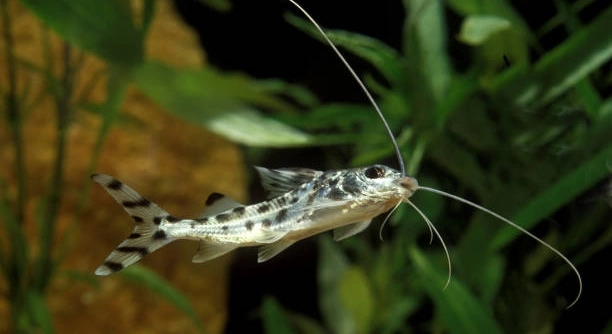
Is your Pictus catfish ignoring certain decorations in its tank? Many aquarium owners notice their fish avoiding specific spots or objects. This behavior can seem puzzling when you want your tank to be a comfortable home for your fish.
Pictus catfish avoid some decorations due to factors like sharp edges, unfamiliar textures, or strong scents that cause stress or discomfort. Their natural instincts guide them to seek safe, smooth, and secure hiding places that mimic their environment in the wild.
Understanding why your catfish behaves this way helps create a better habitat. Adjusting your tank’s decorations can improve your fish’s comfort and encourage healthier, more natural behavior over time.
Why Pictus Catfish Avoid Certain Decorations
Pictus catfish are naturally cautious fish. They tend to avoid decorations that feel unsafe or unfamiliar. Sharp or rough surfaces can injure their delicate barbels, which they use to explore their surroundings. Decorations with strong scents or chemicals from paints or plastics may also cause discomfort. Bright colors or unusual shapes might startle them, making those areas less appealing. When their environment doesn’t feel secure, they stay away from certain spots to reduce stress. Smooth rocks, soft plants, and hiding places that resemble their natural habitat are preferred. Observing their behavior closely can help identify which decorations cause avoidance. Keeping their tank safe and comfortable improves their overall wellbeing. Changing or removing problematic decorations often leads to more active and confident fish.
These fish rely on touch and smell more than sight, so texture and scent greatly affect their choices.
By selecting safe, natural-feeling decorations, you encourage your Pictus catfish to explore and feel at ease in their tank.
Creating a Comfortable Environment
Choosing the right decorations starts with mimicking their natural habitat. Soft plants, smooth stones, and caves provide hiding spots without risks. Avoid sharp or rough materials that could hurt them. Consider decorations free from harmful chemicals or strong odors. Cleaning new items thoroughly before adding them helps reduce potential stress. Including open swimming spaces allows them to move freely and feel secure. Proper lighting also plays a role, as overly bright tanks can make them shy away. Keeping the environment stable with consistent water parameters supports their comfort. Making these changes can lead to noticeable improvements in their behavior. A calm and safe tank encourages natural activity and reduces avoidance of decorations. Small adjustments make a big difference in their happiness and health.
Common Decorations That Pictus Catfish Avoid
Sharp or rough decorations are often avoided by Pictus catfish because they can cause injury. Brightly colored or artificial decorations may also be ignored, as they do not resemble natural elements.
Certain plastic plants and decorations with jagged edges can harm sensitive barbels. Pictus catfish prefer natural materials like smooth stones or driftwood. Plastic items often release chemicals or scents that unsettle fish. Even brightly colored objects can appear unnatural and frightening to them. Artificial plants may lack the texture and security that live plants provide. Understanding these preferences helps in choosing appropriate decorations. Avoiding harsh materials keeps the catfish safe and comfortable, encouraging natural behavior.
Some fish show clear signs of stress near unfamiliar decorations. When they avoid these items consistently, it’s best to replace them with safer, more natural alternatives.
How to Adjust Your Aquarium Setup
Removing sharp or artificial decorations is a good start. Replace them with smooth rocks, natural driftwood, and live plants. These provide safe hiding spots and comfort. Regularly clean and check decorations for wear or damage. Avoid overcrowding the tank, as too many decorations limit swimming space. Space and safety help Pictus catfish feel secure and explore. Keep water quality consistent to reduce stress. Proper filtration and maintenance support a healthy environment. Adjusting lighting to a soft, natural level can also help them feel less exposed. Small changes like these make a noticeable difference in their behavior and overall wellbeing.
Signs Your Pictus Catfish Is Uncomfortable
When Pictus catfish avoid decorations, they may stay in one area or hide more than usual. Reduced activity or constant hiding signals discomfort. Watching these behaviors can help identify problem spots in the tank.
Other signs include erratic swimming or rubbing against surfaces. These behaviors suggest stress or irritation caused by the tank setup. Observing how your fish interact with their environment is key to spotting issues early.
Importance of Tank Maintenance
Keeping the tank clean and stable is essential for Pictus catfish comfort. Uneven water parameters or dirty decorations increase stress. Regular water changes and monitoring temperature, pH, and ammonia levels ensure a healthy environment. Clean decorations prevent buildup of harmful bacteria or algae that may irritate fish.
Using Live Plants as Decorations
Live plants offer a safe and natural decoration option. They improve water quality by absorbing nitrates and provide gentle hiding spots. Unlike plastic, live plants do not release harmful chemicals. Many Pictus catfish feel more secure around plants that mimic their natural habitat.
Avoiding Overcrowding in the Tank
Too many decorations reduce swimming space and cause stress. Giving your fish enough room to move freely promotes healthier behavior and comfort.
FAQ
Why does my Pictus catfish hide under certain decorations but avoid others?
Pictus catfish prefer hiding in places that feel safe and comfortable. They tend to choose decorations with smooth surfaces and natural textures, like driftwood or smooth rocks. Decorations that are sharp, brightly colored, or have rough textures may cause discomfort or stress, leading the fish to avoid them.
Can strong smells from decorations affect my Pictus catfish?
Yes. Some decorations, especially plastic or painted items, can release odors or chemicals into the water. These smells may be unpleasant or stressful for your fish. Thoroughly rinsing new decorations before adding them to the tank can reduce this problem.
Is it normal for my Pictus catfish to avoid decorations after a recent tank change?
It is common for Pictus catfish to act cautiously after changes in their environment. They need time to adjust and explore new decorations. If the fish consistently avoid specific items, those may be uncomfortable or unsafe for them.
What types of decorations are best for Pictus catfish?
Natural decorations like smooth stones, driftwood, and live plants work best. These provide secure hiding spots and mimic their natural habitat. Avoid decorations with sharp edges or rough textures to protect their sensitive barbels.
How often should I clean my tank decorations?
Cleaning decorations regularly helps maintain a healthy environment. A gentle scrub during water changes, usually every two weeks, is enough. Avoid harsh chemicals; instead, use water and a soft brush to remove algae and debris.
Can lighting affect my Pictus catfish’s behavior around decorations?
Yes. Pictus catfish prefer dim or moderate lighting. Bright lights can make them shy or stressed, causing them to avoid exposed decorations. Using adjustable or subdued lighting helps them feel secure.
Will overcrowding decorations affect my catfish?
Too many decorations reduce swimming space and can cause stress. Pictus catfish need open areas to swim freely. Keeping a balance between hiding spots and open space encourages healthy behavior.
How do live plants benefit Pictus catfish?
Live plants improve water quality by absorbing nitrates and offer natural hiding places. They feel more secure around live plants compared to artificial ones. Plants also add oxygen to the water, supporting overall fish health.
My catfish avoid decorations but seem healthy. Should I worry?
Avoidance doesn’t always mean a problem. Some Pictus catfish are naturally shy and selective about where they rest. As long as they eat well, swim actively, and show no signs of illness, occasional avoidance is normal.
Can changes in water parameters influence decoration avoidance?
Yes. Sudden changes in temperature, pH, or ammonia levels cause stress, making fish more cautious. Keeping water conditions stable helps your catfish feel safe and reduces avoidance of their surroundings.
What should I do if my Pictus catfish constantly hides and avoids all decorations?
Check water quality first, as poor conditions often cause stress. Remove sharp or unfamiliar decorations and replace them with smooth, natural ones. Ensure lighting is not too bright and maintain consistent water parameters. Patience is key as the fish adjust.
Are certain tank sizes better for reducing avoidance behavior?
Larger tanks provide more space to swim and choose hiding spots, reducing stress. Small, crowded tanks limit movement and increase competition, leading to avoidance or hiding behavior.
Do Pictus catfish prefer decorations that provide hiding or open swimming areas?
They need a mix of both. Hiding spots offer safety, while open swimming areas allow exploration and exercise. Balancing these helps them feel secure and active.
Can the presence of other fish influence decoration avoidance?
Yes. Aggressive or territorial tank mates can stress Pictus catfish, causing them to avoid certain areas. Peaceful community tanks encourage natural behavior and reduce hiding.
How long does it usually take for Pictus catfish to get used to new decorations?
Adjustment time varies but generally takes a few days to a week. During this period, they explore cautiously. Persistent avoidance after this suggests the decoration may be unsuitable.
Is it better to use natural or artificial decorations?
Natural decorations are usually better because they feel familiar and safe. Artificial items can be acceptable if they are smooth, non-toxic, and free of strong smells or chemicals.
Should I consider the size of decorations?
Yes. Decorations should be appropriately sized to offer shelter without crowding the tank. Too large or too small items may be less appealing or safe.
Do Pictus catfish need multiple hiding spots?
Having several hiding spots helps reduce stress and allows them to choose where they feel most comfortable. Variety in decoration placement is beneficial.
Can decorations affect breeding behavior?
Safe and secure decorations encourage natural breeding habits by providing shelter and territory. Uncomfortable decorations may inhibit these behaviors.
What role does substrate play in decoration avoidance?
Soft, smooth substrate complements natural decorations and helps catfish feel safe. Rough or sharp substrate can increase stress and avoidance.
Are there any decorations Pictus catfish commonly ignore?
Brightly colored plastics, sharp rocks, and synthetic plants with stiff textures are often avoided. These do not mimic natural environments well.
How can I test new decorations before adding them to the tank?
Soak and rinse decorations thoroughly. Observe your fish closely after adding new items. Remove any decoration that causes visible stress or avoidance.
Can water flow or filtration affect decoration preference?
Strong currents near decorations may discourage use. Pictus catfish prefer calm areas, so placing decorations away from strong water flow helps.
Do seasonal changes affect behavior around decorations?
Changes in temperature or light cycles can influence activity levels and comfort. Maintaining consistent conditions supports stable behavior year-round.
When it comes to caring for Pictus catfish, understanding their behavior around tank decorations is important. These fish have sensitive barbels and natural instincts that guide them to prefer safe and comfortable environments. Decorations with sharp edges, strong odors, or unnatural colors can cause stress or discomfort, leading the fish to avoid them. Choosing the right decorations and arranging the tank thoughtfully helps your catfish feel secure and encourages them to explore their surroundings confidently.
Creating a suitable habitat involves using natural materials like smooth stones, driftwood, and live plants. These items not only provide safe hiding spots but also mimic the catfish’s natural environment. Avoid overcrowding the tank with too many decorations to allow enough swimming space. Proper lighting and maintaining good water quality are also crucial in reducing stress. Regular cleaning and monitoring water parameters support the overall health of your fish, making them more comfortable with their surroundings.
Adjusting your aquarium setup based on your Pictus catfish’s reactions can lead to a happier and healthier fish. Patience is important, as they may take time to adapt to new decorations or changes in the tank. Observing their behavior closely will help you identify what works best for them. When your tank feels safe and natural, your catfish are more likely to display normal, active behavior, contributing to a balanced and enjoyable aquarium environment.

Hello,
If you enjoy the content that we create, please consider saying a "Thank You!" by leaving a tip.
Every little bit helps us continue crafting quality advice that supports the health, happiness, and well-being of pets around the world, for pets of all shapes, sizes, and species.
We really appreciate the kindness and support that you show us!