
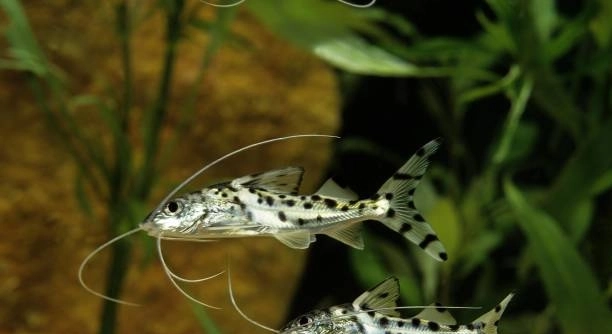
Small changes in a Pictus tank can make a big difference in how well the fish coexist. Even minor adjustments in environment and care improve their behavior and overall tank harmony. This article highlights simple ways to create a peaceful aquarium.
Improving Pictus tank harmony involves addressing water quality, tank layout, and compatible tank mates. Consistent maintenance, appropriate hiding spaces, and balanced feeding schedules reduce stress and aggressive behavior, promoting a calmer and healthier environment for all inhabitants.
These small but important steps will help your Pictus fish thrive together. Implementing them can lead to a more balanced and enjoyable aquarium experience.
Maintaining Clean Water
Keeping the water clean is essential for Pictus fish to live peacefully. Regular water changes help remove toxins and waste that can stress the fish. Testing the water for ammonia, nitrites, and nitrates is also important to ensure safe levels. Pictus fish prefer slightly acidic to neutral water, so monitoring pH can prevent discomfort. Using a good filter that provides both mechanical and biological filtration supports water clarity and health. Avoid overfeeding, as leftover food decomposes and harms water quality. Cleaning the substrate gently prevents disturbing beneficial bacteria. When water conditions are stable, Pictus fish show less aggression and swim more calmly throughout the tank.
Perform water changes weekly, replacing about 20-30% of the tank’s volume. This routine keeps the environment stable and reduces stress.
Keeping the water clean creates a healthier environment, which directly influences fish behavior. Healthy water supports strong immune systems, reduces disease risk, and encourages natural social interactions. It also keeps the tank visually pleasant, making maintenance easier and more rewarding over time.
Providing Adequate Hiding Spaces
Pictus fish need places to hide and feel secure.
Using plants, rocks, and decorations helps create safe spots.
Providing plenty of hiding spaces reduces stress and limits territorial disputes among Pictus fish. They naturally seek shelter during the day and become more active at night. Dense plants and caves mimic their natural environment and offer retreats from bright light or aggressive tank mates. Avoid overcrowding hiding places to ensure each fish has access to shelter. Using smooth decorations prevents injury, as Pictus fish have delicate barbels. Rearranging the tank occasionally keeps fish curious and less aggressive. Hiding spots also improve overall tank harmony by giving shy or weaker fish places to recover and avoid confrontations. A well-decorated tank supports both physical and mental well-being for these lively fish.
Choosing Compatible Tank Mates
Pictus fish do best with peaceful, similarly sized fish.
Avoid aggressive or overly large species that may bully or stress them.
Tank mates like small tetras, rasboras, and peaceful catfish work well with Pictus fish. These species have similar water requirements and temperaments, reducing conflict. Fast swimmers also help balance the tank dynamics. Avoid slow or long-finned fish, as Pictus can nip fins when stressed. Introducing new fish slowly and observing their interactions helps prevent sudden aggression. Maintaining a community of compatible fish promotes natural behavior and reduces stress-related issues, making the tank more harmonious overall.
A balanced group of tank mates supports Pictus fish in feeling secure. Stress and competition decrease when fish share similar activity levels and environmental needs. Proper selection keeps the aquarium peaceful and enjoyable to watch.
Feeding Practices That Promote Harmony
Feed Pictus fish a varied diet including sinking pellets, frozen foods, and occasional live treats.
Avoid overfeeding to prevent water quality problems and aggression.
Pictus fish are bottom feeders and prefer food that sinks quickly. Feeding small amounts multiple times a day encourages natural foraging behavior and reduces competition. Removing uneaten food promptly prevents decay, which harms water quality and stresses the fish. Using a feeding ring or targeted feeding helps deliver food evenly and limits dominance by more aggressive fish. Balanced nutrition supports their immune system and vibrant colors. Overfeeding can cause bloating, lethargy, and conflicts among fish competing for food, so it’s important to monitor portion sizes carefully.
Keeping feeding consistent and controlled improves tank harmony. When fish receive enough food without competition, aggressive behavior decreases. Feeding practices also influence the overall health and longevity of your Pictus fish, contributing to a stable aquarium environment.
Proper Tank Size and Setup
Pictus fish need enough space to swim freely.
A minimum of 30 gallons is recommended for a small group.
A larger tank reduces territorial behavior and stress. It allows the fish to explore and find their own space. Proper setup includes a soft substrate to protect their sensitive barbels. Use smooth decorations and avoid sharp edges. Good water flow and stable temperature also contribute to a comfortable environment. Proper spacing helps maintain natural social behavior and decreases aggression.
Maintaining Stable Water Temperature
Keep the tank temperature between 72°F and 79°F.
Avoid sudden temperature changes to prevent stress.
Regular Monitoring and Observation
Watch your Pictus fish daily for signs of stress or illness.
Early detection helps prevent problems from worsening.
FAQ
How often should I change the water in a Pictus tank?
Regular water changes are essential to keep your tank healthy. Changing 20-30% of the water weekly helps remove waste and toxins. This routine supports stable water conditions, which reduces stress and aggressive behavior among Pictus fish.
What is the ideal pH level for Pictus fish?
Pictus fish prefer a slightly acidic to neutral pH range, typically between 6.5 and 7.5. Keeping the pH stable within this range helps maintain their comfort and health. Sudden pH swings can stress the fish and cause behavior issues.
Can Pictus fish live with other catfish species?
Yes, Pictus fish generally get along well with peaceful catfish species like Corydoras or Otocinclus. These species share similar water needs and temperaments. However, avoid larger or aggressive catfish that might intimidate or harm them.
What type of substrate is best for a Pictus tank?
A soft, sandy substrate is best to protect the Pictus fish’s delicate barbels. Rough gravel can cause injury and stress. Sand also makes it easier for them to forage naturally on the bottom of the tank.
How many Pictus fish should be kept together?
Pictus fish are social and do best in groups of at least 4-6. Keeping them in groups helps reduce stress and encourages natural schooling behavior. Avoid overcrowding, as too many fish can lead to poor water quality and aggression.
What should I feed Pictus fish?
A varied diet including sinking pellets, frozen bloodworms, and brine shrimp is ideal. Pictus fish are bottom feeders and prefer food that sinks quickly. Feeding small amounts multiple times a day helps prevent competition and keeps the fish healthy.
Why is my Pictus fish hiding all the time?
Frequent hiding can indicate stress or poor water conditions. Check water quality, temperature, and tank mates. Providing adequate hiding spaces is normal, but excessive hiding suggests a problem that needs attention.
How can I reduce aggression in my Pictus tank?
Aggression often stems from stress, overcrowding, or lack of hiding spots. Maintain clean water, proper tank size, and compatible tank mates. Adding decorations and plants to create hiding places also helps reduce conflicts.
Is it necessary to use a heater in a Pictus tank?
Yes, because Pictus fish thrive in stable temperatures between 72°F and 79°F. A heater prevents sudden drops in temperature, which can stress the fish and weaken their immune system.
How can I tell if my Pictus fish is healthy?
Healthy Pictus fish are active at night, have clear eyes, intact barbels, and smooth swimming movements. Watch for signs like faded colors, clamped fins, or lethargy, which may indicate illness or stress.
What should I do if a Pictus fish gets injured?
Isolate the injured fish in a quarantine tank to prevent infection. Maintain clean water and consider adding aquarium salt to promote healing. Monitor closely and seek advice if the condition worsens.
Can Pictus fish live in a community tank?
Yes, they do well in community tanks with peaceful species. Avoid aggressive or large fish that may intimidate them. Choosing compatible tank mates is key to a balanced and harmonious aquarium.
How often should I clean the filter?
Clean the filter media monthly, but avoid washing it with tap water to preserve beneficial bacteria. Rinse gently with tank water during water changes to maintain biological filtration.
Do Pictus fish need plants in their tank?
Plants provide hiding spots and improve water quality, benefiting Pictus fish. Live plants also help reduce stress and mimic natural habitats. However, ensure plants are compatible with the tank’s lighting and conditions.
What causes fin nipping in Pictus fish?
Fin nipping can result from overcrowding, boredom, or lack of hiding spaces. Ensuring enough space, proper tank mates, and environmental enrichment reduces this behavior.
Can Pictus fish tolerate brackish water?
Pictus fish prefer freshwater environments and do not tolerate brackish water well. Keeping them in stable freshwater conditions ensures their health and longevity.
How long do Pictus fish typically live?
With proper care, Pictus fish can live up to 8-10 years. Maintaining clean water, a balanced diet, and a stress-free environment supports a longer life span.
Is it necessary to provide a night light for Pictus fish?
No, Pictus fish are nocturnal and prefer dim lighting or darkness at night. Providing hiding spaces allows them to feel secure without extra lighting during their active hours.
Can Pictus fish breed in a home aquarium?
Breeding Pictus fish in home tanks is challenging and uncommon. They require specific conditions like clean water, proper diet, and adequate space. Most hobbyists focus on keeping them healthy rather than breeding.
What should I do if my Pictus fish refuses to eat?
Refusal to eat can indicate stress, illness, or poor water quality. Check water parameters, temperature, and tank mates. Try offering varied foods or feeding in a quiet environment to encourage eating.
How can I prevent diseases in my Pictus tank?
Maintain stable water conditions, avoid overcrowding, and quarantine new fish before adding them. Regular tank cleaning and balanced feeding also reduce the risk of illness. Early detection and treatment are essential for preventing disease spread.
Final Thoughts
Creating harmony in a Pictus fish tank does not require complicated steps. Small, consistent changes can make a big difference in how your fish interact and thrive. Maintaining clean water is one of the most important parts. Regular water changes and good filtration keep the environment safe and reduce stress. Stress is often the root cause of aggressive behavior and illness, so keeping water quality high supports overall fish health. Testing the water regularly helps catch any problems early and keeps conditions stable.
Another key factor is the tank setup. Providing plenty of hiding spaces and soft substrate helps Pictus fish feel secure. These fish like to explore the bottom of the tank, so a gentle substrate protects their sensitive barbels from injury. Hiding places made from plants, rocks, or decorations offer shelter during the day when Pictus are less active. When fish have safe spaces to retreat, they are less likely to become stressed or aggressive toward each other. Choosing tank mates carefully also supports a peaceful environment. Fish with similar temperaments and needs work best to avoid conflicts.
Feeding habits and tank size play a role as well. Feeding small amounts multiple times a day encourages natural foraging and reduces competition for food. Overfeeding can harm water quality and cause health issues. A larger tank gives your Pictus fish room to swim freely and reduces territorial disputes. Keeping groups of Pictus fish together allows them to display natural schooling behavior, which also promotes calmness. By focusing on these small but effective adjustments, you can enjoy a more balanced and harmonious aquarium that supports your fish’s wellbeing and longevity.

Hello,
If you enjoy the content that we create, please consider saying a "Thank You!" by leaving a tip.
Every little bit helps us continue crafting quality advice that supports the health, happiness, and well-being of pets around the world, for pets of all shapes, sizes, and species.
We really appreciate the kindness and support that you show us!