
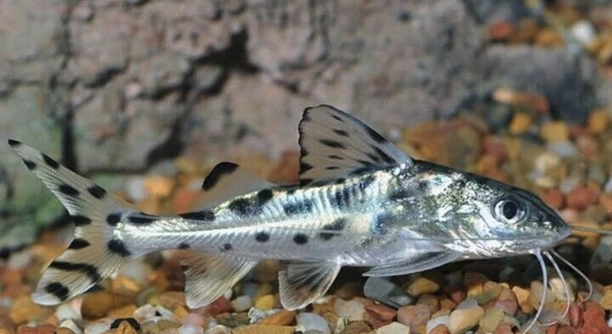
Pictus catfish are a popular choice for freshwater aquariums due to their lively behavior and manageable size. Many hobbyists enjoy watching these active fish glide through their tanks. However, their growth rate often raises concerns among aquarium owners.
Pictus catfish can outgrow their tanks quickly if given optimal conditions, such as a spacious environment and proper nutrition. Their rapid growth necessitates careful monitoring to ensure tank size remains suitable for their size and well-being.
Understanding how fast these fish grow and recognizing the signs of outgrowing their tank will help you provide a healthy home for your pet. This article explains the key factors behind their growth and offers practical advice for tank management.
Growth Rate of Pictus Catfish
Pictus catfish typically grow quickly in the first year of life. Under good conditions, they can reach up to 5 to 6 inches within 12 months. Their growth depends on factors like diet, water quality, and tank size. A balanced diet with protein-rich foods helps them develop properly. Clean water and stable tank conditions reduce stress, supporting steady growth. If the tank is too small, growth might slow, but the fish’s health can suffer. It’s important to provide enough swimming space since Pictus catfish are active swimmers. Regular tank maintenance and monitoring water parameters contribute to a healthy environment. Growth rates may vary depending on genetics, but tank conditions play a crucial role. If the fish grows too fast for its tank, it might become stressed or prone to disease. Ensuring the right balance between tank size and fish size promotes well-being.
Rapid growth requires attentive tank care to avoid overcrowding and stress.
Monitoring growth helps prevent issues related to insufficient space.
Signs Your Pictus Catfish Has Outgrown Its Tank
Outgrowing a tank means the fish may show signs of stress or discomfort. They might swim erratically, avoid areas with low oxygen, or become less active. Poor water quality is common in overcrowded tanks and can cause disease. Growth may slow down, but health problems increase. Behavioral changes such as hiding more often or aggression toward tank mates can also appear. Physically, the fish might look cramped or have difficulty turning around. When the tank size no longer supports the fish’s movement, it’s time to consider a larger aquarium. A minimum of 30 gallons is recommended for adult Pictus catfish, but bigger is often better. Moving them to a larger tank improves water quality and allows for natural behavior. Proper space is essential for their health and happiness in captivity.
Tank Size Recommendations for Pictus Catfish
A 30-gallon tank is usually the minimum for one adult Pictus catfish. Bigger tanks provide better swimming space and water quality.
Larger tanks help reduce stress by giving fish room to move naturally. Overcrowding leads to poor water conditions and aggressive behavior. A spacious tank also makes maintenance easier and more effective. For multiple Pictus catfish, increase tank size by at least 10 gallons per additional fish. This prevents territorial disputes and overcrowding. Tank shape matters too—longer tanks allow better swimming areas than tall, narrow ones. Providing hiding spots and open swimming space balances their need for security and activity.
Keeping the tank clean is essential in any size aquarium. Regular water changes and good filtration keep nitrate and ammonia levels low, helping Pictus catfish thrive. Proper tank size combined with good care promotes long-term health.
Feeding and Nutrition to Manage Growth
Feeding a balanced diet supports healthy growth without encouraging excessive weight gain. Overfeeding can lead to obesity and water quality problems.
Offer a varied diet including sinking pellets, frozen or live foods like bloodworms or brine shrimp. Feeding small amounts twice daily is ideal. Avoid overfeeding by removing uneaten food after a few minutes. Nutritional balance affects growth rates and overall health. High-quality protein is essential, but too much can cause rapid, unhealthy growth.
Feeding routine and portion control also impact how quickly Pictus catfish grow. By managing their diet carefully, you can help maintain a healthy size suitable for your tank. Monitoring feeding habits will keep the fish active and prevent common health issues linked to poor nutrition.
Common Problems When Pictus Catfish Outgrow Their Tank
When Pictus catfish outgrow their tank, stress and aggression often increase. This leads to unhealthy living conditions for all fish in the aquarium.
Overcrowding causes poor water quality and limited swimming space. These problems make the fish more vulnerable to diseases and reduce their lifespan.
Signs of Stress in Overcrowded Tanks
Stressed Pictus catfish may lose their vibrant color or develop fin damage. They can become lethargic or hide excessively. Increased aggression toward tank mates is also common.
Tank Upgrading Options
Upgrading to a larger tank or adding more filtration can improve living conditions. Larger tanks provide more swimming space and dilute waste more effectively, supporting healthier fish.
Maintaining Water Quality
Regular water changes and monitoring ammonia and nitrate levels are essential. Good filtration keeps the environment stable and reduces stress on Pictus catfish.
FAQ
How fast do Pictus catfish grow?
Pictus catfish grow relatively fast, especially in the first year. They can reach about 5 to 6 inches in length within 12 months if given good care. Growth depends on factors like diet, water quality, and tank size. Proper nutrition and a clean environment help support healthy growth. After the first year, growth slows but continues gradually. Genetics also influence size, but tank conditions play a major role in how quickly they reach adult size.
Can Pictus catfish live in a small tank?
While young Pictus catfish can survive in smaller tanks, adult fish need more space. A tank smaller than 30 gallons is not suitable for adults because they require room to swim and clean water to stay healthy. Small tanks limit movement and cause stress, which can lead to illness. For multiple Pictus catfish, the tank should be even larger to prevent overcrowding and maintain good water quality.
What size tank is best for Pictus catfish?
A minimum of 30 gallons is recommended for a single adult Pictus catfish. Bigger tanks are better because these fish are active swimmers. If keeping more than one, increase the tank size by 10 gallons or more for each additional fish. A longer tank shape allows for better swimming space compared to a tall, narrow tank. Providing hiding spots and open swimming areas helps the fish feel secure and reduces stress.
How often should I feed my Pictus catfish?
Feeding twice a day is ideal for Pictus catfish. Offer small portions that the fish can consume in a few minutes. Overfeeding leads to poor water quality and health problems. A varied diet including sinking pellets, frozen or live foods like bloodworms and brine shrimp keeps their nutrition balanced. Remove any uneaten food to prevent waste buildup in the tank.
What are signs that my Pictus catfish is stressed?
Signs of stress include dull or faded colors, torn fins, lethargy, hiding more than usual, or aggressive behavior toward other fish. Stress can result from overcrowding, poor water quality, or lack of space. If these signs appear, check tank conditions, water parameters, and tank size. Acting quickly helps improve their health and comfort.
How do I maintain good water quality for Pictus catfish?
Regular water changes, about 20-30% weekly, help keep water clean. Use a good filtration system to remove waste and toxins. Test water parameters regularly to ensure ammonia and nitrate levels stay low. Avoid overcrowding and feed only what the fish can eat quickly. Clean the tank and filter as needed without disturbing beneficial bacteria.
Can Pictus catfish be kept with other fish?
Yes, they are generally peaceful but can become territorial if the tank is crowded. Compatible tank mates include peaceful community fish of similar size. Avoid aggressive or very small fish that might be seen as prey. Providing enough space and hiding spots helps reduce stress and aggression.
Do Pictus catfish need special care as they grow?
As they grow, they need more space and stable water conditions. Adjust tank size accordingly to prevent stress. Monitor their diet to avoid overfeeding. Larger fish also produce more waste, so filtration and water changes should be increased. Observing their behavior helps detect health problems early.
What should I do if my Pictus catfish outgrows its tank?
If the fish becomes too large for the tank, upgrading to a bigger aquarium is necessary. A larger tank improves swimming space, water quality, and reduces stress. If a bigger tank isn’t an option, consider rehoming the fish responsibly. Maintaining good care prevents health issues related to overcrowding.
How long do Pictus catfish live?
With proper care, Pictus catfish can live 8 to 10 years or more. Good water quality, balanced nutrition, and an appropriate tank size all contribute to a long lifespan. Regular monitoring and maintenance keep them healthy and active throughout their life.
Pictus catfish are lively and engaging fish that many aquarium owners enjoy keeping. Their rapid growth is something to consider carefully when choosing a tank. Providing enough space is essential to support their natural behavior and health. A small tank might seem convenient at first, but as the fish grows, it can become cramped and stressful for them. It is important to plan ahead and select a tank size that can accommodate their full adult size. This helps avoid common problems like poor water quality, aggression, and stunted growth.
Taking care of Pictus catfish means paying attention to their diet, tank conditions, and overall environment. Feeding them a balanced diet in proper amounts supports healthy development without causing excessive weight gain. Regular water changes and filtration keep the water clean and safe. Monitoring the fish for signs of stress or discomfort is also key. When fish show signs of outgrowing their space, such as hiding or lethargy, it’s a clear indication that their tank needs upgrading. This ensures they remain comfortable and healthy over time.
In summary, managing the growth of Pictus catfish involves thoughtful preparation and ongoing care. Choosing the right tank size, providing proper nutrition, and maintaining water quality all contribute to their well-being. These steps help the fish live longer and happier lives in captivity. Being proactive about their needs can prevent many common issues and improve the aquarium experience. With proper care, Pictus catfish can be a rewarding addition to any freshwater setup.

Hello,
If you enjoy the content that we create, please consider saying a "Thank You!" by leaving a tip.
Every little bit helps us continue crafting quality advice that supports the health, happiness, and well-being of pets around the world, for pets of all shapes, sizes, and species.
We really appreciate the kindness and support that you show us!