
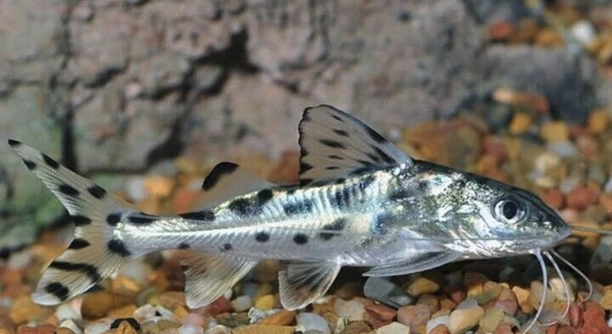
Are your Pictus catfish living peacefully with other fish in your tank? Many aquarists want to understand if these active, social fish are comfortable with their tankmates. Observing their behavior can reveal how well they get along in a shared space.
Pictus catfish display signs of comfort with tankmates through calm swimming patterns, regular feeding behavior, and minimal territorial aggression. Positive social interactions and lack of hiding also indicate acceptance among fish, reflecting a balanced aquarium environment.
Learning these behavioral cues will help you maintain a harmonious tank and ensure your Pictus catfish thrive alongside their companions. This knowledge is important for creating a healthy aquatic community.
Signs Your Pictus Catfish Is Comfortable with Its Tankmates
When a Pictus catfish feels at ease, it usually swims smoothly and explores the tank openly. You might notice it staying in the middle or bottom of the tank without hiding behind decorations or plants. It will also feed confidently, not showing hesitation when others eat nearby. These fish often swim in groups or alongside other peaceful species, which shows they accept their tankmates. Aggressive behavior, like chasing or fin-nipping, tends to be minimal or absent when the Pictus is content. Their activity level remains steady, not suddenly erratic or overly shy. Quiet resting spots are used without stress, indicating a calm environment. Overall, these subtle behaviors help gauge whether your Pictus catfish enjoys its company in the tank.
Consistent social behavior and a lack of stress signs are key indicators of harmony between Pictus catfish and their tankmates.
Paying attention to these details helps you provide a balanced habitat where all fish can thrive. Recognizing comfort signs early allows adjustments before problems arise. Tank size, hiding places, and compatible species are all factors affecting this balance. Pictus catfish prefer peaceful, similar-sized companions and benefit from well-structured environments. Stress from incompatible tankmates can lead to health issues or aggression. Providing enough space and proper feeding routines also supports good relationships. Observing fish daily helps catch changes quickly, so you can improve tank conditions. Knowing these signs helps keep your aquatic community stable and happy.
How to Encourage Positive Interactions in a Community Tank
Maintaining a peaceful tank requires choosing compatible species and providing enough space for all fish.
To encourage positive interactions, start by selecting tankmates with similar temperaments and size. Avoid aggressive or overly territorial species that may stress your Pictus catfish. Provide plenty of hiding spots and plants to reduce competition and offer safe retreats. Feeding time should be calm, with enough food to prevent conflicts. Keep water conditions stable, as stress can increase aggression or shyness. Regular observation helps identify any signs of discomfort or bullying early. If issues arise, separating aggressive fish or rearranging the tank layout can reduce tension. Consistency in maintenance and care promotes a healthy environment. By balancing these factors, your Pictus catfish and its tankmates can coexist peacefully, improving their overall well-being and appearance in the tank.
Observing Body Language for Clues
Pictus catfish use body language to show comfort or stress. Calm swimming and relaxed fins indicate they feel safe.
A Pictus catfish with smooth, steady movements and fins held close to the body is likely comfortable with its tankmates. Rapid darting or sudden freezing can signal stress or fear. When the fish flares its fins or arches its back, it may be feeling threatened. Tail position is also telling; a relaxed tail means calmness, while a tightly flicked tail suggests agitation. Watching how your catfish moves around other fish helps you understand its mood.
These subtle cues in posture and movement give important clues. They help you decide if changes are needed in the tank setup or social group. Noticing body language early allows you to improve the fish’s environment before problems worsen.
Feeding Behavior as an Indicator
Feeding habits reveal how well your Pictus catfish interacts with others. Confident eating with tankmates nearby shows comfort and trust.
When a Pictus catfish eats without hesitation, it usually means it feels secure around its tankmates. If it waits until other fish finish or hides while feeding, stress or fear might be present. Sharing food space calmly without aggression is a positive sign. On the other hand, fighting or chasing during feeding shows tension in the tank. Feeding your catfish separately or providing multiple feeding spots can reduce conflict. Regular, predictable feeding routines also help fish feel safe. Monitoring how your catfish behaves at mealtime provides valuable insights about its social comfort and overall well-being.
Signs of Aggression to Watch For
Aggression between Pictus catfish and tankmates can include chasing, fin nipping, or sudden attacks. These behaviors indicate discomfort or territorial disputes.
Aggressive behavior may escalate if the tank is overcrowded or if incompatible species are kept together. Early detection helps prevent injuries and stress.
How Tank Setup Influences Social Behavior
Tank size, hiding spots, and decorations significantly affect how Pictus catfish interact with others. A well-structured tank reduces stress and aggression by providing places to retreat and explore. Without enough space or hiding areas, fish feel threatened, leading to conflict. Proper lighting and water conditions also play a role in creating a comfortable environment. Observing how your catfish uses the tank can guide adjustments to improve social dynamics and overall health.
When to Separate Tankmates
Separating fish becomes necessary if aggression or stress persists despite changes. It protects the health and safety of all tank inhabitants.
How can I tell if my Pictus catfish is stressed by its tankmates?
Stress signs include hiding more than usual, loss of appetite, and erratic swimming. Your catfish may also appear pale or have clamped fins. These behaviors show discomfort and could mean tankmates are causing tension or the environment isn’t suitable.
What tankmates are best suited for Pictus catfish?
Peaceful, medium-sized fish that occupy different tank levels work best. Avoid aggressive or very small fish. Species like tetras, danios, and certain gouramis usually get along well with Pictus catfish. Compatibility reduces stress and aggression.
Can Pictus catfish live alone?
They can survive alone but usually prefer groups. Pictus catfish are social and often swim in schools. Keeping several together encourages natural behavior and lowers stress levels.
How often should I observe my Pictus catfish’s interactions?
Daily observation is ideal. Watching how your fish behaves during feeding, resting, and swimming helps you notice changes quickly. Early detection of problems allows for timely adjustments.
What are common signs of aggression among tankmates?
Chasing, biting fins, sudden fast movements, and hiding are common aggression signs. If you notice these, it may mean the tankmates aren’t compatible or the tank setup needs improvement.
How important is tank size for Pictus catfish and their companions?
Tank size is very important. A larger tank reduces territorial disputes and stress by providing space for each fish. A minimum of 30 gallons is recommended for a small group of Pictus catfish and their tankmates.
Should I rearrange the tank if aggression occurs?
Yes. Rearranging decorations and plants can break up sight lines and reduce territorial behavior. It helps fish feel less exposed and lowers aggression.
What role does hiding space play in social harmony?
Hiding spots give fish a safe retreat when feeling threatened. Ample hiding places reduce stress and prevent fights, promoting peaceful interactions.
Can feeding routines affect tankmate relationships?
Feeding routines impact behavior. Feeding at the same time daily with enough food lowers competition. Multiple feeding spots reduce conflict over food.
When is it necessary to separate aggressive fish?
If aggression causes injury or constant stress despite changes in tank setup or companions, separating fish is necessary. Protecting fish health takes priority.
How do water conditions influence Pictus catfish behavior?
Stable water parameters promote calm behavior. Sudden changes in temperature, pH, or ammonia levels cause stress, leading to aggression or hiding.
Can stress from tankmates affect a Pictus catfish’s health?
Yes. Chronic stress weakens the immune system and can cause illness. Monitoring social behavior helps maintain good health.
Is it normal for Pictus catfish to hide sometimes?
Yes, occasional hiding is normal. It usually means resting or feeling secure. Constant hiding suggests stress or poor tank conditions.
How can I introduce new tankmates without stressing my Pictus catfish?
Add new fish slowly and monitor interactions closely. Rearrange the tank before introducing newcomers to disrupt established territories and reduce aggression.
What signs indicate that my Pictus catfish likes its tankmates?
Calm swimming near others, peaceful feeding, and active exploration are positive signs. Absence of chasing or hiding also shows acceptance.
Final Thoughts
Understanding how your Pictus catfish interacts with its tankmates is important for creating a healthy aquarium environment. These fish show their comfort through calm behavior, regular feeding, and peaceful coexistence with other species. Watching for signs like steady swimming, relaxed fins, and confident eating helps you see if they enjoy their company. If you notice aggression or hiding, it may be time to adjust the tank or consider different companions. Paying attention to these details allows you to respond early and keep your fish happy and healthy.
Tank setup plays a large role in how well your Pictus catfish gets along with others. Providing enough space and hiding spots reduces stress and aggressive behavior. The right tank size ensures that all fish have room to swim without feeling crowded. Decorations and plants offer places to retreat when fish need a break from interaction. Stable water conditions and regular feeding routines support a calm environment. When all these factors are balanced, the fish tend to show positive social behavior and thrive together.
Keeping a close eye on your Pictus catfish and its tankmates will help maintain peace in the aquarium. Observing daily behaviors like swimming patterns, feeding habits, and signs of aggression allows you to catch potential problems before they worsen. Sometimes small changes like rearranging the tank or adjusting feeding times can make a big difference. In more serious cases, separating aggressive fish may be necessary to protect everyone’s well-being. Overall, understanding and meeting the needs of your Pictus catfish and its companions will create a more enjoyable and balanced tank environment for all.

Hello,
If you enjoy the content that we create, please consider saying a "Thank You!" by leaving a tip.
Every little bit helps us continue crafting quality advice that supports the health, happiness, and well-being of pets around the world, for pets of all shapes, sizes, and species.
We really appreciate the kindness and support that you show us!