
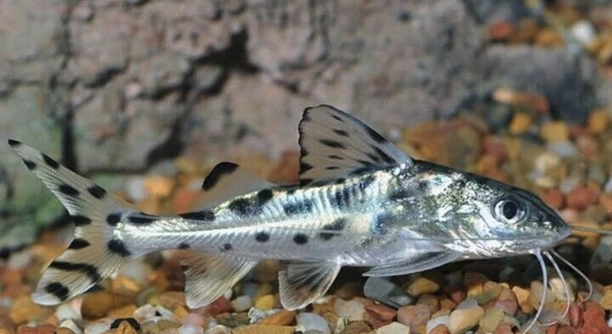
Have you ever caught your pictus catfish acting oddly when there’s another fish in a nearby tank? Their behavior might surprise you. Even when separated by glass, some fish seem to notice activity beyond their own space.
Pictus catfish have limited sensory perception beyond their own tank and cannot directly sense fish in separate tanks. However, they may respond to movement, vibrations, or light changes if tanks are close together or sharing equipment.
Understanding how their environment influences their actions can help you create a more stable and comfortable setting for your pictus catfish.
How Pictus Catfish Use Their Senses
Pictus catfish rely mostly on their lateral line system and whisker-like barbels to explore their surroundings. These sensitive organs help detect movement and vibrations in the water, making it easier to locate food or avoid danger. While they have eyes, their vision is not strong. They thrive best in dimly lit environments, so they tend to depend more on touch and vibration. Because of this, they usually focus only on what’s happening in their own tank. However, if another tank is nearby and has shared equipment like filters or air pumps, vibrations can travel between them. This could make your pictus catfish more alert or reactive, even though they aren’t truly aware of other fish nearby. Sudden changes in light or movement near the tanks might also grab their attention, but it’s not the same as recognizing another fish. Their senses are sharp, just not in the way we often assume.
Some owners mistake this reaction for social awareness, but it’s usually just a sensory response.
If your pictus catfish appears restless when other tanks are close, it’s likely responding to light shifts or tank vibrations. You may notice them swimming faster, hiding more, or exploring their tank more actively. These behaviors are normal sensory reactions, not signs of stress or communication.
Tank Placement and Environmental Triggers
Close placement of tanks can cause confusion for sensitive fish like the pictus catfish. Light changes or movement outside the tank may lead to brief behavioral shifts.
If your pictus catfish is reacting more than usual, first check your tank setup. Tanks placed too close together or beside windows can make the fish more sensitive to outside changes. Vibrations from shared surfaces or filters can also reach both tanks, creating mild disturbances. Even though the fish can’t see or understand that another fish is in the next tank, their sensory systems are picking up on motion or minor pressure changes. To reduce this, make sure each tank has its own equipment and consider using a background or divider between tanks to limit visual and light cues. A calm environment helps keep your catfish settled. Avoid tapping on the glass or making sudden movements around their tank. Giving them some quiet space with dim lighting and plants or hiding spots can also encourage a relaxed and natural behavior pattern.
Behavioral Signs to Watch For
Pictus catfish may swim erratically, hide more often, or appear overly alert when exposed to nearby movement or changes. These behaviors often come and go quickly and usually don’t signal anything serious if tank conditions remain stable.
Erratic swimming is one of the most common reactions. You might notice your pictus catfish dashing from one end of the tank to the other or circling areas near the glass. This can happen if there are sudden vibrations, reflections, or bright lights from outside the tank or a nearby tank. Another sign is frequent hiding. If your catfish retreats to plants, caves, or decorations more than usual, it may be responding to repeated disturbances. Try minimizing outside motion and bright light to reduce these effects. Keeping the area calm helps the fish feel more secure, especially if it’s reacting to subtle changes you might not notice right away.
Increased alertness is also common. Your catfish may pause and hover in place with its barbels stretched out, sensing its surroundings for longer periods than usual. This reaction is typically temporary and not harmful, but it’s a sign your fish is staying cautious. Watching these patterns over time can help you decide if your setup needs adjusting to reduce unnecessary stimulation.
Reducing Unwanted Stimuli
Place tanks at a distance from one another to prevent unnecessary stimulation. Separating tanks and reducing shared vibrations can help your pictus catfish feel more at ease and stay more relaxed throughout the day.
If space is limited, use barriers between tanks, such as tank backgrounds or solid dividers, to reduce visual contact. This keeps light and movement from traveling between setups. Avoid placing tanks directly next to loud electronics, windows, or high-traffic areas. These locations can introduce sudden changes in light, sound, or vibration. Try using soft lighting, sponge filters, and rubber mats under the tank to dampen movement. This helps create a peaceful space for your fish. Even background noise like music or loud talking can add to their sensitivity. Adjust your surroundings and observe how your catfish responds. Subtle changes can improve behavior and create a calmer environment for both your pictus catfish and any nearby aquatic life.
Shared Equipment and Cross-Tank Stimulation
When multiple tanks share equipment like air pumps or sponge filters, vibrations can travel between them. This may cause your pictus catfish to respond to movements or changes that aren’t actually happening in their own tank.
Even if they can’t see the other fish, the constant vibrations can increase their alertness.
When Changes in Behavior Matter
If your pictus catfish becomes unusually inactive, stops eating, or hides all the time, it could be more than just a sensory reaction. These signs might point to stress or a health issue. Check water quality, temperature, and noise levels. If everything seems fine, the issue might still be environmental. Try separating tanks further or switching to individual filters. Provide more hiding spots and keep lights low. If the behavior doesn’t improve after a few days, consider consulting an aquatic specialist. Small environmental adjustments often help, but prolonged stress can lead to long-term health problems. Watching your catfish daily will help you catch early signs of discomfort.
Final Note on Tank Setup
Stable tank placement, gentle lighting, and separate equipment can prevent unnecessary sensory stimulation and help your pictus catfish stay calm and healthy.
FAQ
Can pictus catfish see other fish in nearby tanks?
No, pictus catfish cannot directly see or recognize fish in other tanks. Their eyesight is limited, and they rely more on vibrations and touch. If another tank is close by and there’s visible movement or shared lighting, they may notice shadows or changes in light, but they don’t actually see or understand the presence of other fish. Most reactions are caused by external cues, not actual recognition of fish in other spaces. They focus mainly on their own tank environment and any activity that creates disturbance near it.
Do vibrations affect their behavior even if they can’t see the other fish?
Yes, vibrations can definitely affect their behavior. Pictus catfish have a sensitive lateral line system that picks up on water movement and pressure. If tanks are sharing a filter, pump, or stand, those vibrations can travel between tanks. Your catfish may respond by swimming faster, hiding, or showing signs of alertness. These aren’t signs of aggression or recognition; they’re just natural reactions to unusual or unexpected changes in their environment. Isolating each tank’s equipment can help reduce this type of stimulation.
Why is my pictus catfish hiding more than usual?
Frequent hiding can be triggered by sudden lighting changes, noise, or movement near the tank. While pictus catfish naturally hide during the day, excessive hiding may suggest they feel unsafe. If another tank is nearby or the room is busy, the added stimulation can make them retreat more often. Check the tank for strong light, reflective surfaces, or nearby movement that might be stressing them. Providing more plants or decorations can help them feel secure and improve their confidence to come out more often.
Can they hear sounds outside the tank?
They don’t hear the way humans do, but they do pick up on low-frequency sounds and vibrations through the water. Loud music, slamming doors, or even a nearby television can cause your catfish to react. While one loud sound may not cause harm, repeated exposure to noise can lead to stress. Placing the tank away from high-traffic or noisy areas helps keep their environment calm. Using a tank stand with a soft base or mat can also reduce the impact of sound and movement.
How close is too close for placing two tanks together?
There’s no exact measurement, but keeping a few feet between tanks is usually enough to prevent shared vibrations and light exposure. If space is tight, placing a barrier or tank background between the tanks can help. It stops light from shining through and blocks sudden movement that might confuse your fish. Make sure each tank has its own set of equipment to avoid vibration transfer. Even just a little space between tanks can make a noticeable difference in your catfish’s behavior.
What’s the best lighting setup for pictus catfish?
They do best in dim lighting. Bright overhead lights can make them feel exposed and trigger hiding or skittish behavior. Use soft LED lights and add floating plants or decorations to create shaded areas. Avoid strong lighting near the sides of the tank, especially if another tank is nearby. Keeping their environment dark and calm supports their natural rhythm and helps reduce stress. You can also use a timer to maintain a consistent light schedule, which helps them feel more secure.
Should I worry if my catfish reacts when I walk by the tank?
No, that kind of reaction is normal. Pictus catfish may dart away when there’s movement outside the tank, especially if you walk too quickly or stand close for a long time. Over time, they usually become used to your presence and respond less. If the reaction seems extreme, try adjusting the tank’s lighting, adding plants, or moving it slightly away from busy areas. These small changes can help your catfish feel more at ease while still allowing you to enjoy watching them.
Can two pictus catfish sense each other if kept in separate tanks?
They may respond to movement or vibrations between tanks, but they do not “sense” each other in a social or emotional way. Pictus catfish are not territorial in the same way as some other fish, and their reactions are more about physical changes in their environment. If both tanks are stable and quiet, they’ll likely stay calm. Any sudden behavior changes are usually linked to environmental shifts like lighting, vibrations, or noise—not from recognizing another fish. Keeping tanks separate helps reduce unnecessary stimulation.
Final Thoughts
Pictus catfish are sensitive fish that rely on their senses to understand their surroundings. While they cannot truly sense fish in other tanks, they may react to movement, light changes, or vibrations if the tanks are close together. These reactions are not signs of communication or social awareness but are simple responses to environmental triggers. If you notice odd behavior like sudden swimming bursts, increased hiding, or restlessness, it is often linked to what’s happening around the tank, not inside it. Creating a calm, quiet, and stable setup is the best way to keep them healthy and relaxed.
Keeping tanks spaced out, using separate equipment, and adding soft lighting can help reduce unwanted stimulation. If tanks are near each other, using a divider or placing a background on the glass can block light and movement. Avoid loud sounds or placing tanks in busy rooms where frequent activity could disturb the fish. Adding plants, hiding spots, and keeping water conditions steady also supports their natural behavior. These small adjustments can have a big impact on their comfort. Watching for subtle changes in their actions can guide you in making helpful improvements to their setup.
Understanding how pictus catfish respond to their surroundings can help you create a better environment for them. While their behavior might seem unusual at times, most changes are harmless and easy to manage once the cause is identified. With the right setup, they become more active, peaceful, and comfortable. Paying attention to small details like tank placement, light exposure, and sound levels can make a big difference in their daily life. Even though they cannot sense other fish across tanks in the way some owners think, they are still very aware of what’s happening around them. A stable and low-stress home is key to helping them thrive.

Hello,
If you enjoy the content that we create, please consider saying a "Thank You!" by leaving a tip.
Every little bit helps us continue crafting quality advice that supports the health, happiness, and well-being of pets around the world, for pets of all shapes, sizes, and species.
We really appreciate the kindness and support that you show us!