
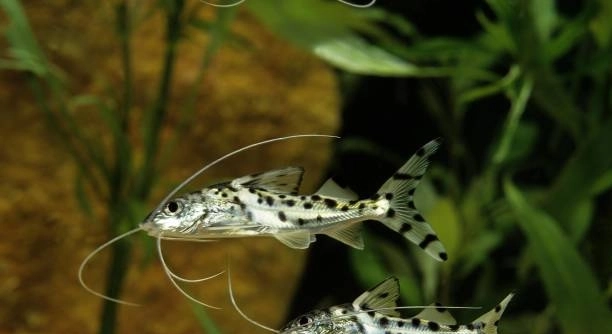
Caring for pictus cats requires attention to their environment and water quality. Keeping water parameters stable helps these fish thrive over time. Healthy water supports their activity, color, and overall wellbeing in home aquariums.
The seven ideal water parameters for long-term pictus health include temperature, pH, hardness, ammonia, nitrite, nitrate levels, and oxygen content. Maintaining these within specific ranges ensures a balanced habitat that promotes growth and prevents stress or disease.
Understanding these key factors will help you create a suitable environment for your pictus cat. Proper water care is essential to support their lifespan and natural behavior in captivity.
Ideal Temperature for Pictus Cats
Maintaining the right temperature is crucial for pictus cats to stay healthy. These fish prefer water between 75°F and 81°F (24°C to 27°C). Temperatures outside this range can cause stress, weaken their immune system, and slow down their metabolism. Sudden temperature changes should be avoided because pictus cats are sensitive to fluctuations. Using a reliable aquarium heater and thermometer helps keep the water stable. Consistent warmth supports their activity level and digestion. It also encourages natural behaviors, such as schooling and feeding. Cooler water might make them sluggish, while warmer water could increase oxygen demand, which is hard to meet in small tanks. Paying attention to this simple factor creates a safe, comfortable environment for your fish.
Keeping the temperature steady prevents many health problems in pictus cats. It also helps keep their energy balanced for everyday activities.
A good practice is to check the temperature twice daily at first, ensuring your heater is working correctly. Over time, you will get a feel for your tank’s stability. Remember, maintaining proper temperature is one of the easiest ways to protect your pictus cat’s health.
pH Levels and Hardness
Pictus cats thrive best in slightly acidic to neutral water, with a pH between 6.5 and 7.5. Water hardness should be moderate, ideally between 5 and 12 dGH.
The pH level affects how well pictus cats absorb nutrients and maintain bodily functions. If the pH drifts too far from the ideal range, it can cause stress and reduce their lifespan. Hardness, which measures minerals in the water, also plays a key role. Very soft water can lead to weaker fish, while very hard water might cause issues with their skin and gills. Testing your water regularly helps you adjust these parameters before problems arise. Adding natural elements like driftwood can lower pH gently, while crushed coral can raise hardness if needed. Balancing these two factors keeps your pictus cat comfortable and healthy over time.
Ammonia and Nitrite Levels
Ammonia and nitrite should always be kept at zero in a pictus cat tank. Even small amounts can be harmful.
Ammonia forms from fish waste and uneaten food. It is highly toxic and can cause gill damage or death if not controlled. Nitrite is created when beneficial bacteria break down ammonia but is also dangerous to fish. Both substances affect oxygen transport in the blood, making it harder for pictus cats to breathe. Regular water changes and a well-established filtration system keep these levels safe. Testing water weekly helps catch any spikes early.
If ammonia or nitrite levels rise, immediate water changes are necessary to protect your fish. Cycling a new tank properly before adding pictus cats prevents these toxins from building up. Keeping these substances at zero maintains a healthy environment and reduces stress, allowing your fish to thrive.
Nitrate Levels
Nitrate is less toxic than ammonia and nitrite but still needs monitoring. Levels should stay below 20 ppm.
Nitrate comes from the final breakdown of fish waste and organic matter. While low amounts are not dangerous, high nitrate levels can weaken your pictus cat’s immune system and increase stress. Over time, excess nitrate can lead to poor water quality and algae growth, which reduces oxygen in the tank. Regular partial water changes and avoiding overfeeding help control nitrate buildup. Using live plants can also absorb nitrates naturally. Maintaining low nitrate levels ensures your fish remain healthy and active for the long term.
Oxygen Levels
Pictus cats need well-oxygenated water to stay healthy and active. Low oxygen can cause stress and breathing difficulties.
Aeration through air stones or strong water flow helps maintain good oxygen levels. Make sure your tank has enough surface agitation to allow gas exchange.
Water Flow Rate
Pictus cats prefer moderate to strong water flow, similar to their natural river habitats. This keeps them active and simulates their environment. A good filter that creates steady water movement is important. Avoid stagnant areas, as these can cause poor water quality and stress. Adjust flow to prevent fish from being pushed too hard but ensure enough current to keep oxygen circulating well.
Tank Cleanliness
Regular cleaning is vital for maintaining ideal water parameters. Remove debris and perform partial water changes to keep the environment stable. A clean tank reduces harmful buildup and supports your pictus cat’s long-term health.
FAQ
What happens if water temperature is too high or too low for pictus cats?
If the temperature is too high, pictus cats may become stressed and breathe rapidly because warm water holds less oxygen. Their metabolism speeds up, which can lead to exhaustion or shorter lifespans. When the temperature is too low, they become sluggish, lose appetite, and may be more vulnerable to infections. Keeping a stable, ideal temperature prevents these problems and helps your fish stay active and healthy.
How often should I test water parameters for my pictus cat tank?
Testing once a week is usually enough for stable, established tanks. During tank setup or if you notice changes in fish behavior, test more frequently. Regular testing helps catch problems like rising ammonia or pH shifts early, so you can fix them before they harm your fish.
Can I use tap water directly for my pictus cat tank?
Tap water often contains chlorine or chloramine, which are harmful to fish. Always treat tap water with a water conditioner before adding it to the tank. This removes harmful chemicals and makes the water safe. Letting tap water sit for 24 hours can also help chlorine dissipate, but it does not remove chloramine.
What are the signs of ammonia or nitrite poisoning in pictus cats?
Common signs include gasping at the surface, red or inflamed gills, lethargy, and loss of appetite. Fish may also scratch against objects or swim erratically. If you see these signs, test water immediately and perform a partial water change to lower toxin levels.
How much water should I change and how often?
A 20-30% water change every week helps keep nitrates low and removes waste buildup. In new tanks, more frequent changes may be needed until the nitrogen cycle is established. Always use treated water at the same temperature as the tank to avoid shocking your fish.
Can plants help maintain water quality for pictus cats?
Yes, live plants absorb nitrates and provide oxygen, improving water quality. They also create hiding places, reducing stress for your fish. Choose plants that thrive in similar water conditions, like Java fern or Anubias.
Is it okay to keep pictus cats with other fish?
Pictus cats are generally peaceful but active swimmers. They do well with other non-aggressive fish of similar size. Avoid slow-moving or very small fish, as pictus cats may outcompete or stress them. Always research compatibility before adding tank mates.
How do I know if my pictus cat’s water parameters are off?
Fish behavior changes first—look for decreased activity, hiding, or loss of appetite. Cloudy water, algae overgrowth, or strong odors can also indicate poor water quality. Testing water regularly confirms if parameters are out of balance.
What is the best way to cycle a new pictus cat tank?
Cycling establishes beneficial bacteria that convert ammonia to nitrite, then nitrate. You can cycle with a source of ammonia like fish food or pure ammonia. Test water daily and wait until ammonia and nitrite drop to zero before adding fish. This process usually takes 4 to 6 weeks.
How important is oxygen for pictus cats compared to other parameters?
Oxygen is critical because pictus cats rely on it for respiration and energy. Without enough oxygen, even if other parameters are ideal, fish will struggle and may die. Proper aeration and water movement ensure oxygen levels stay safe.
Can water hardness change suddenly in a tank?
Water hardness usually changes slowly unless new water with different hardness is added. Using water conditioners or adding minerals can alter hardness. Sudden changes can stress fish, so adjust hardness gradually if needed.
Are there any tools that help maintain ideal water parameters?
Yes, aquarium heaters with thermostats keep temperature steady. Test kits measure pH, ammonia, nitrite, nitrate, and hardness. Air pumps and filters improve oxygen and water flow. Using these tools regularly helps maintain a healthy environment.
What should I do if nitrate levels are consistently high?
Increase water change frequency and reduce feeding to limit nitrate buildup. Adding live plants helps absorb nitrates naturally. Check filter maintenance, as poor filtration can worsen water quality. Keeping nitrate below 20 ppm is ideal for pictus cats.
How does pH affect pictus cat health?
pH impacts many biological processes like respiration and digestion. A pH too far from neutral can cause stress and make fish more prone to disease. Staying between 6.5 and 7.5 helps pictus cats maintain normal functions and thrive in captivity.
Final Thoughts
Maintaining the right water parameters is essential for the long-term health of pictus cats. These fish depend on a stable environment where temperature, pH, hardness, and other factors stay within specific ranges. When water conditions are balanced, pictus cats show better activity, brighter colors, and fewer health problems. It is important to keep water clean and free from harmful substances like ammonia and nitrites. Regular testing and water changes are simple but effective ways to ensure the water remains safe. Paying attention to these details helps prevent stress and disease, which are common causes of early death in aquarium fish.
Setting up a proper tank for pictus cats requires effort but is worth it. Using a good filter, heater, and aeration system helps create a stable habitat. Testing kits allow you to monitor water quality and catch any problems early. Over time, maintaining ideal water parameters becomes routine and easier to manage. It is also helpful to learn about the nitrogen cycle, as this natural process keeps toxins in check. Adding live plants can support water quality by absorbing nitrates and providing hiding spots for fish. Each of these steps contributes to a healthier tank where pictus cats can live comfortably for years.
Remember that every tank is different, and changes can happen slowly or suddenly. Consistency and observation are key to success. Watch your pictus cats closely for any signs of stress or illness, such as changes in behavior or appetite. Acting quickly by testing water and making adjustments can save your fish from harm. Good care means creating an environment that closely matches their natural habitat. When water parameters are right, pictus cats thrive and bring enjoyment to any aquarium. Taking the time to maintain these conditions shows respect for your fish and ensures their well-being over the long term.

Hello,
If you enjoy the content that we create, please consider saying a "Thank You!" by leaving a tip.
Every little bit helps us continue crafting quality advice that supports the health, happiness, and well-being of pets around the world, for pets of all shapes, sizes, and species.
We really appreciate the kindness and support that you show us!