
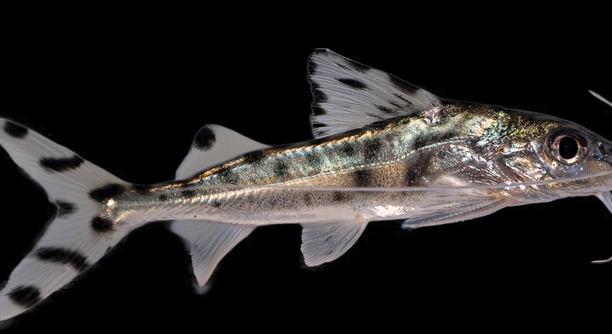
Many aquarium owners enjoy keeping Pictus Catfish for their active nature and peaceful behavior. Proper feeding is important to maintain their health and avoid common problems. Overfeeding can lead to water quality issues and harm the fish.
Preventing overfeeding involves controlling portion sizes, feeding schedules, and monitoring fish behavior. Using feeding tools, understanding the catfish’s dietary needs, and maintaining a clean environment all contribute to avoiding excess food intake and related health risks.
Learning these simple strategies can improve your catfish’s wellbeing and keep your aquarium clean and balanced for a long time.
Control Portion Sizes
Feeding the right amount of food is key to preventing overfeeding your Pictus Catfish. Too much food can pollute the tank and stress the fish. Start by offering small portions and observe how much your catfish eat within a few minutes. If food remains uneaten, reduce the amount next time. Use a measuring spoon or feeding tool to keep portions consistent. Remember that Pictus Catfish are bottom feeders, so some food might settle without being eaten right away. It’s better to feed smaller amounts multiple times a day rather than one large meal. This helps maintain water quality and keeps your fish healthy. Over time, you will learn how much food they actually need, which is usually less than you might think.
Portion control helps avoid waste and keeps your fish from eating too much. Smaller, controlled meals are always better for tank health.
Feeding too much can cause excess waste and uneaten food, which leads to harmful bacteria growth. Consistent portion control ensures your catfish stay healthy and your tank remains clean, making maintenance easier.
Establish a Feeding Schedule
Setting a regular feeding schedule makes a big difference in preventing overfeeding. Pictus Catfish do well with feeding once or twice daily at the same times. Feeding at consistent times trains the fish to expect food and reduces the chance of extra feedings. Avoid feeding whenever you see your fish being active or begging, as this encourages overeating. Sticking to a schedule also helps you monitor their appetite and spot changes in behavior or health early. For young catfish, more frequent small feedings might be necessary, but for adults, one or two well-timed meals usually suffice. Maintaining this routine supports your catfish’s natural eating habits and reduces the risk of leftover food polluting the tank.
A steady feeding schedule benefits your catfish’s digestion and keeps the tank cleaner.
Regular feeding times support your catfish’s metabolism and help prevent overfeeding problems. Skipping random snacks keeps water conditions stable and fish healthier. This simple habit is an important part of good aquarium care.
Use Appropriate Food Types
Pictus Catfish need sinking pellets or wafers designed for bottom feeders. Flake foods often float and may not reach them.
Sinking foods are easier for Pictus Catfish to find and eat without competition from surface feeders. These foods also reduce waste because they don’t linger on the water surface or get missed. Avoid overfeeding with high-fat or protein-rich foods, as these can cause digestive issues if given in excess. Providing a balanced diet with occasional live or frozen foods like bloodworms or brine shrimp keeps your catfish healthy and satisfied. Choosing the right food type supports their natural feeding habits and reduces leftover food in the tank.
Regularly check that the food you provide is fresh and suitable for your catfish’s size. Freshness ensures nutrients remain intact and prevents water contamination from spoiled food. Feeding a mix of sinking pellets and occasional treats creates variety while preventing boredom.
Monitor Fish Behavior
Observing your catfish’s behavior helps detect overfeeding early. Healthy Pictus Catfish are active and search for food but don’t appear bloated or lethargic.
If you notice your catfish swimming less or hiding more, it might be a sign of overfeeding or poor water conditions. Overfed fish often show sluggish movements or difficulty swimming. Pay attention to how quickly they finish their food—if uneaten food remains, you should reduce portions. Behavioral cues can also reveal stress from water quality issues caused by overfeeding. By watching your fish closely, you can adjust feeding habits and tank maintenance to keep them in good health.
Keeping a feeding log or notes on behavior changes can be helpful. It allows you to track any patterns and make informed decisions about diet and care. Small changes in behavior often signal the need for immediate action to prevent bigger problems.
Avoid Overfeeding with Multiple Fish
When keeping several Pictus Catfish, it’s easy to overfeed by trying to satisfy all fish at once. Feed small amounts and observe how much each catfish eats.
Avoid feeding too much to prevent leftover food that harms water quality. Use careful portion control and monitor each fish’s intake.
Use Feeding Tools
Using tools like feeding rings or pipettes helps deliver food directly to your catfish. This reduces waste and controls how much food is given.
Feeding tools can prevent food from scattering across the tank, which often leads to overfeeding and water pollution. They help keep feeding precise and efficient.
Maintain Tank Cleanliness
Regular cleaning removes uneaten food and waste that can accumulate from overfeeding. This prevents harmful bacteria growth and keeps water safe.
Know Your Catfish’s Dietary Needs
Understanding what and how much your Pictus Catfish need is essential. Avoid guessing or overfeeding, as they have specific dietary requirements.
FAQ
How often should I feed my Pictus Catfish?
Feeding your Pictus Catfish once or twice a day is usually enough. They prefer smaller, controlled meals rather than large amounts at once. Young catfish might need more frequent feedings, but adults do well on a simple daily schedule. Avoid feeding too late in the day to help keep the tank clean overnight.
What is the best type of food for Pictus Catfish?
Sinking pellets or wafers made for bottom feeders work best. These foods reach the catfish easily and reduce waste in the tank. Occasionally, you can offer live or frozen foods like bloodworms or brine shrimp to provide variety and extra nutrients.
Can overfeeding harm my catfish?
Yes, overfeeding can lead to health problems like obesity and digestive issues in Pictus Catfish. It also causes leftover food to decay, polluting the water and raising toxin levels. Keeping portions small and consistent helps avoid these problems.
How do I know if I am overfeeding my catfish?
If you notice leftover food after feeding or your fish appear bloated, sluggish, or less active, you might be overfeeding. Uneaten food in the tank can also cause cloudy water and increased algae growth.
Should I feed my Pictus Catfish with other fish in the tank?
Yes, but you need to be careful. Pictus Catfish are bottom feeders and might eat different types of food than surface or mid-level fish. Use sinking foods and monitor all fish to make sure everyone gets enough without overfeeding.
Is it okay to feed them live food regularly?
Live food is good as a treat and provides natural nutrients, but it shouldn’t be the main diet. Use it occasionally alongside pellets or wafers to keep a balanced diet.
Can I feed my catfish once every two days?
Feeding every two days can work if your catfish are adults and the portion is right. However, most Pictus Catfish do better with daily feeding to maintain energy and health.
What happens if my catfish gets hungry?
Pictus Catfish can handle short periods without food, but regular feeding keeps them healthy. They might become more active or restless when hungry but won’t usually suffer from missing a meal occasionally.
How do I prevent food waste in the tank?
Feed small portions that your catfish can finish quickly. Use feeding tools to place food directly in their area. Remove uneaten food after feeding to keep the water clean.
Is it necessary to clean the tank after every feeding?
You don’t need to clean the whole tank after each feeding, but removing leftover food and debris is important. Regular water changes and filter maintenance help maintain good water quality.
Can overfeeding cause water problems?
Yes, excess food breaks down and produces ammonia and nitrites, which harm fish health. It also encourages algae growth and cloudy water, making the tank environment unsafe.
How much food does one adult Pictus Catfish need?
An adult catfish usually needs just a few pellets or a small pinch of sinking food per feeding. Observing how much they eat in 3–5 minutes can help you adjust portions correctly.
What should I do if my fish refuses to eat?
Check the water quality first, as poor conditions often cause loss of appetite. Try offering live or frozen food to stimulate interest. If the fish continues to refuse food, consult an expert or veterinarian.
Can I feed my catfish human food?
It’s best to avoid human food as it may lack proper nutrients and can pollute the tank. Stick to foods designed for fish to keep your catfish healthy.
How do I balance feeding multiple fish species in one tank?
Feed species-specific food types and monitor feeding times carefully. Use feeding tools to target bottom feeders like Pictus Catfish. Avoid overfeeding by controlling portions for each species separately.
This FAQ covers key points to help maintain a healthy feeding routine and prevent overfeeding issues for your Pictus Catfish. Following these tips will protect your fish and keep your tank balanced.
Preventing overfeeding Pictus Catfish is important for the health of your fish and the cleanliness of your tank. Feeding the right amount and using the correct food type helps avoid leftover food that can pollute the water. By controlling portions and feeding on a schedule, you create a stable environment where your catfish can thrive. Small, regular meals work better than large, infrequent feedings because they match the catfish’s natural eating habits and reduce waste.
Observing your catfish’s behavior is also a key part of good care. Watching how much they eat and their activity level can tell you if you are feeding them correctly. If your catfish seem lethargic or their bellies look swollen, it could be a sign of overfeeding or water problems. Maintaining a clean tank with regular water changes and removing uneaten food keeps your fish healthy. Using feeding tools can help you feed the right amount and keep food from spreading across the tank, which reduces waste and water contamination.
Overall, feeding Pictus Catfish properly takes some attention but is simple once you find a routine. Keeping portions small, using sinking foods, and sticking to a feeding schedule all contribute to your catfish’s well-being. Clean tank conditions and monitoring your fish’s behavior complete the care needed to prevent overfeeding. Following these steps will help your Pictus Catfish live a healthy and active life, while making your aquarium easier to maintain.

Hello,
If you enjoy the content that we create, please consider saying a "Thank You!" by leaving a tip.
Every little bit helps us continue crafting quality advice that supports the health, happiness, and well-being of pets around the world, for pets of all shapes, sizes, and species.
We really appreciate the kindness and support that you show us!