
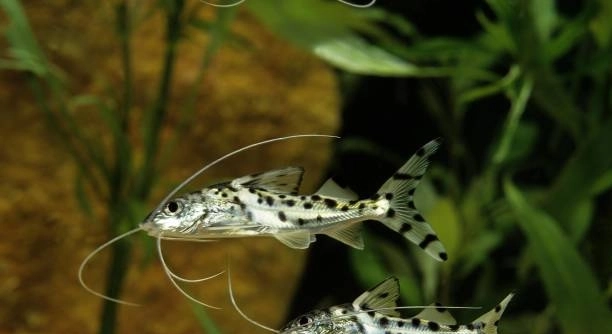
Have you ever added new pictus catfish to your aquarium and noticed tension among your existing fish? Introducing new members to an established group can be challenging and sometimes stressful for both fish and fishkeepers.
New pictus catfish may initially face territorial behavior from existing members, leading to hiding, chasing, or mild aggression. Over time, most groups adjust, but proper tank conditions and careful introductions are essential for long-term harmony.
Introducing new fish the right way can support group stability, reduce stress, and improve overall behavior in your aquarium.
Understanding Group Dynamics in Pictus Catfish
Pictus catfish are active, social fish that prefer the company of their own kind. However, when a new fish is added to an established group, the sudden change can lead to a shift in group behavior. Existing fish may become more territorial, especially if space is limited. This can result in chasing, hiding, or occasional fin-nipping. These behaviors are usually temporary, but they can be stressful for the new addition. To ease the transition, ensure your tank is spacious and well-decorated with hiding spots. Avoid adding a single fish if possible—introducing two or more at once can reduce tension. Monitor interactions for the first week and be prepared to intervene if aggression escalates. Good filtration, steady water parameters, and calm tankmates help maintain balance. When done properly, most groups accept new members and settle into a stable, active rhythm again. Consistency in care makes all the difference.
Some aggression or avoidance is normal, but it usually fades once the group reestablishes its pecking order.
Pictus catfish communicate through movement and body posture. When a new fish is introduced, the group may spend time figuring out where the new arrival fits. You may notice the new fish hiding more or swimming erratically—this is often a sign of stress. With time and proper care, things usually calm down.
Preparing the Tank Before Adding New Pictus
Make sure your tank has plenty of hiding spots, strong filtration, and room for swimming. This setup will reduce tension and allow each fish to find its space.
Before adding new pictus catfish, quarantine them for at least two weeks to prevent illness from spreading. During this time, observe their eating habits and energy levels. Once they are cleared, adjust your main tank slightly—rearranging décor can disrupt territorial claims, making it easier for newcomers to blend in. Choose a time when the lights are dim and add the new fish slowly. Keep feeding consistent and spread out food to avoid competition. Monitor the group closely over the next few days. Watch for signs of stress such as rapid breathing, torn fins, or refusal to eat. If needed, provide additional cover or temporarily divide the tank to reduce pressure. A slow, thoughtful introduction process helps both new and existing fish feel secure.
Watching for Signs of Stress
Signs of stress in pictus catfish include hiding for long periods, darting movements, rapid gill movement, or loss of appetite. These behaviors often show up in the first few days after a new addition and should not be ignored.
When stress levels are high, pictus catfish may also display faded coloration or unusual swimming patterns, such as hugging the glass or staying near the surface. These signs can mean the fish is feeling threatened, overwhelmed, or uncomfortable in its environment. Make sure your tank has enough space and plenty of hiding areas so fish can escape when needed. Avoid making further changes or adding new fish during this adjustment period. Keeping lighting low and minimizing external disturbances, like loud sounds or sudden movements, can also help them relax. If stress continues for more than a week, review your tank setup and water quality to rule out other problems.
Pay attention to how your existing fish respond to the new arrival. Some chasing is common at first, but if it becomes nonstop or aggressive, you may need to separate the fish temporarily. Use a tank divider or a breeder box if needed. These give new fish time to adjust while remaining visible to the group. This often leads to a smoother reintegration. Keep an eye on food intake and behavior during this phase. Make feeding times quiet and offer food in multiple spots to lower competition. Patience and a consistent routine can prevent ongoing stress. Most pictus settle in well when given the right conditions.
Feeding Behavior After Adding New Pictus
New additions may hesitate to eat at first, especially if they feel unsafe. Established fish may also become more competitive around food. Spread out food across the tank to make sure everyone gets a fair share without pressure.
Use sinking pellets or frozen foods that fall quickly and scatter across the bottom. Pictus catfish are bottom-dwellers, and this feeding method helps avoid conflict near the surface. Offer food in small amounts two to three times a day during the first week. Watch how each fish responds. If any seem to miss out regularly, add more hiding areas so they can eat in peace. Consider feeding when tank lights are dim or off—pictus are more comfortable and active in low light. Avoid overfeeding, as uneaten food can quickly affect water quality. Monitor ammonia and nitrate levels to ensure the tank remains stable throughout the adjustment period.
Nighttime Behavior and Activity
Pictus catfish are more active during the night, so most chasing or tension often happens after lights go out. If aggression increases at night, try using a dim night light to help you monitor their behavior more easily.
Some fish may hide more during the day if nighttime stress is high. Keep the environment calm and consistent. Avoid moving decorations or changing the layout while they are still adjusting to the new group structure.
When to Remove a Fish
If a fish shows signs of injury, ongoing stress, or refuses to eat for several days, it’s time to consider temporary separation. Use a divider or a separate tank to let the fish recover. Removing a fish doesn’t mean failure—sometimes it’s necessary to maintain peace. Watch the group closely after separation.
Final Tank Check
Make sure your tank remains balanced and that all fish are active, eating, and showing no signs of distress. Regular water checks, good hiding spots, and a steady routine help your pictus catfish thrive together after a new addition.
FAQ
How long does it usually take for pictus catfish to settle into a new group?
Pictus catfish typically take about one to two weeks to fully adjust to a new group. During this time, you may see some chasing or hiding as they establish their place in the social order. The length of adjustment depends on tank size, number of fish, and how well the introduction was managed. Smaller tanks and overcrowding can lengthen the process, while a spacious tank with plenty of hiding spots helps fish settle more quickly. Maintaining stable water conditions and limiting sudden changes during this period supports a smoother transition.
Is it better to add multiple new pictus at once or just one?
Adding multiple new pictus catfish at the same time is generally better than introducing just one. When several newcomers arrive together, they can support each other and distract the existing fish from focusing aggression on a single target. This reduces stress and helps the group accept the new additions faster. However, make sure the tank is large enough to comfortably house the increased number of fish. If adding multiple fish isn’t possible, extra care should be taken when introducing one at a time to avoid isolation or bullying.
What signs of aggression should I be most concerned about?
Mild chasing and brief displays of fin flaring are normal as pictus catfish set boundaries. However, constant chasing, biting that causes torn fins, or one fish being cornered without escape are signs of harmful aggression. If you notice injuries, pale or damaged fins, or fish hiding for long periods, the aggression is likely excessive. At this point, it’s important to act by rearranging the tank layout, adding more hiding spots, or separating the aggressive fish temporarily.
Can poor water quality affect how new pictus behave?
Yes, poor water quality can increase stress and aggression in pictus catfish. High ammonia, nitrite, or nitrate levels weaken fish and make them more prone to illness and erratic behavior. Keeping water clean and stable helps reduce stress and supports a peaceful tank environment. Regular water changes, good filtration, and monitoring parameters are essential during any adjustment phase, especially after adding new fish.
How can I reduce stress during feeding times after adding new fish?
To reduce stress at feeding, offer food in multiple locations so all fish can eat without competing too hard. Use sinking pellets or frozen foods that reach the bottom quickly, where pictus prefer to feed. Feeding in dim lighting or when the tank is quiet can also help shy or stressed fish feel safer. Avoid overfeeding, as leftover food harms water quality and adds to stress.
Is it normal for new pictus to hide a lot?
Yes, it is normal for new pictus catfish to hide a lot at first. They need time to feel safe and understand their new environment. Providing plenty of hiding spots like caves, plants, and decorations helps them relax and reduces stress. Over days to weeks, hiding usually decreases as fish grow more confident.
What should I do if a new pictus refuses to eat?
If a new pictus refuses to eat, try offering different types of food such as live or frozen bloodworms, brine shrimp, or high-quality sinking pellets. Feed when lights are dim or off to encourage natural behavior. Ensure water quality is good and the fish isn’t being bullied. If refusal to eat lasts more than a few days, consider isolating the fish for close observation and treatment if needed.
Can rearranging the tank help when adding new pictus?
Rearranging tank decorations can help reduce territorial aggression by breaking up established boundaries. Changing the layout makes all fish rethink their territory and can lower conflicts. Do this shortly before or during the introduction of new pictus to make the environment feel new to everyone. However, avoid frequent or drastic changes that cause stress.
Are pictus catfish compatible with other species when adding new fish?
Pictus catfish usually do well with other peaceful, bottom-dwelling or mid-level fish that aren’t aggressive or overly territorial. Avoid adding large or aggressive species that might bully pictus or compete heavily for food and space. When adding new fish of different species, monitor their interactions carefully during the first days to ensure harmony.
How important is quarantine before adding new pictus to the main tank?
Quarantine is very important to prevent introducing diseases or parasites to your main tank. Keeping new pictus in a separate tank for two weeks allows you to observe their health and treat any issues before mixing them with established fish. Quarantine reduces stress for the whole group and helps protect your investment in the aquarium.
Adding new pictus catfish to an existing group requires patience and care. It is normal for the fish to show some signs of stress or mild aggression at first. These behaviors usually settle down once the fish adjust to each other and the environment. Keeping the tank spacious with plenty of hiding places helps the fish feel secure. A calm and stable environment reduces tension and supports a healthy social balance in the group. Watching the fish closely during the first few weeks is important to spot any problems early.
Proper preparation before adding new pictus is key. Quarantining the new fish helps avoid spreading illness to the established group. Rearranging tank decorations before introduction can break up territories and reduce fights. Feeding small amounts of food spread throughout the tank lowers competition. Using dim lighting or feeding during quieter times also helps stressed fish eat better. Good water quality and steady tank conditions are essential throughout the entire process. All of these steps work together to make the transition smoother for both new and existing fish.
Sometimes, despite the best care, a new pictus may struggle to fit in. If a fish is constantly chased, injured, or refuses to eat, it might need temporary separation. Using a tank divider or separate tank gives that fish time to recover and feel safe. Most pictus catfish eventually settle in well when given proper care and time. Keeping an eye on their behavior and health is the best way to ensure a peaceful community. With the right approach, adding new pictus can be a rewarding experience that enriches your aquarium.

Hello,
If you enjoy the content that we create, please consider saying a "Thank You!" by leaving a tip.
Every little bit helps us continue crafting quality advice that supports the health, happiness, and well-being of pets around the world, for pets of all shapes, sizes, and species.
We really appreciate the kindness and support that you show us!