
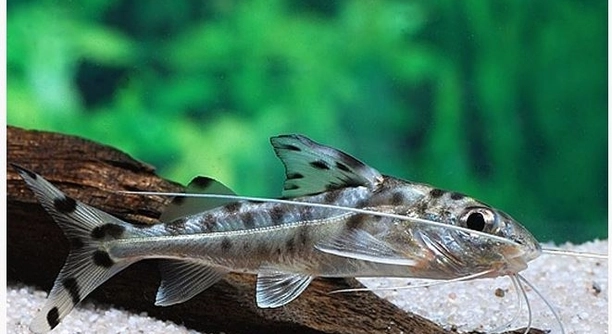
Have you ever noticed your pictus catfish acting differently once the lights go out and the tank grows quiet and dim?
Pictus catfish are nocturnal by nature, meaning they become most active during nighttime hours. Their behavior shifts significantly after lights out, often including increased movement, foraging, and exploration of tank surroundings.
These nighttime habits are rooted in their instincts and natural environment. Understanding their behavior can help you create a more comfortable, enriching habitat that supports their health and natural rhythm.
Pictus Catfish Are More Active at Night
Pictus catfish are known for their energy, especially when the lights go out. During the day, they tend to stay hidden among decorations, plants, or caves. But once darkness falls, they start swimming quickly around the tank. This behavior comes from their natural habitat in South American rivers, where they hunt and explore during nighttime hours. Their strong sense of smell and touch helps them find food even in low light. It’s also common to see them interacting more with other fish at night, though they generally keep to themselves. Their whiskers, called barbels, guide them as they move. If your tank is set up with plenty of hiding spaces, it encourages this activity. You may also notice that they are less shy at night and come out more often. This behavior is completely normal and shows they feel safe in their environment.
Their nighttime activity is also a sign of good health. A sluggish or still catfish at night might need a closer look.
By understanding this behavior, you can choose better feeding times and adjust lighting schedules. Many owners find it helpful to watch their catfish in the evening, when they’re most comfortable. A moonlight LED can make this easier without stressing the fish.
They Hunt and Forage in the Dark
Pictus catfish are natural foragers, and they prefer to search for food at night when they feel less exposed and more secure.
This habit is rooted in their instincts. In the wild, they feed on insects, larvae, and small crustaceans that come out at night. Their barbels help them locate food along the tank bottom without needing full light. In captivity, they will continue this behavior even with pellet food or flakes. Owners sometimes notice that food left uneaten during the day is quickly found and eaten once the lights are off. Because of their active hunting style, it’s important to avoid overfeeding. Leftover food can lower water quality and stress other tank mates. Feeding shortly before turning off the lights can help align with their natural timing. Watching your pictus catfish explore and forage in a dimly lit tank can also help you make sure they’re eating properly and staying active.
They Rely on Their Barbels to Navigate
In the dark, pictus catfish use their long barbels to sense everything around them. These feelers help them move through the tank without bumping into things or other fish. They are constantly in motion, even when the fish seem relaxed.
Their barbels work like extra hands, detecting changes in water flow and textures on surfaces. Since pictus catfish are bottom dwellers, they use these feelers to explore gravel, driftwood, and decorations. In tanks with soft lighting or no light at all, this sensory behavior becomes more noticeable. It’s important to keep the tank clean and free of sharp edges that could harm their barbels. A damaged barbel can affect how they eat and move. Keeping smooth decor and soft substrate helps prevent injuries. You may notice them gliding their barbels along the tank walls or plants—this is just how they “see” at night.
They also use their barbels to identify food, even tiny bits that fall between rocks. Since their eyesight isn’t strong in the dark, these feelers are essential for finding every scrap. If you want to support this behavior, avoid over-lighting the tank and keep water quality high. Dirty water can cause infections, which may lead to barbel loss or damage.
They Can Be Restless Tank Mates
Pictus catfish tend to be peaceful but active, which can bother slower or more delicate tank mates. Their constant movement may stress less active fish, especially after dark when most fish want to rest.
Their restlessness comes from being highly alert and driven by instinct. They are not aggressive, but they can cause problems in small tanks or with fish that spook easily. Since they’re always on the move, they might knock into other fish or disturb resting spots. This is especially true in low-light conditions when other species are less responsive. To avoid conflict, choose tank mates that are quick and prefer mid-to-top swimming zones. Fish like barbs or danios usually do fine with pictus catfish. Avoid keeping them with slow or long-finned species like bettas or angelfish. The goal is to let your pictus stay active at night without bothering others. A roomy tank layout helps reduce tension.
They May Make Quiet Clicking Sounds
Pictus catfish sometimes make faint clicking or popping sounds at night. These sounds are natural and usually come from their pectoral fins rubbing or shifting. It’s more noticeable in quiet rooms or when the tank is near your sleeping area.
These sounds aren’t a sign of stress or illness. They’re part of the catfish’s natural behavior, often tied to movement or feeding. Many people don’t hear them unless the room is silent. If the sounds become louder or constant, it’s worth checking the tank conditions just to be safe.
They Need a Dark and Calm Environment
Pictus catfish thrive when their tank mimics the dim conditions they’re used to in nature. Keeping the tank dark at night helps support their nocturnal habits. Bright lights can confuse their activity cycle and reduce their natural behaviors. Use soft lighting or a dim blue LED if you want to observe them. Avoid tapping the glass or sudden movements after dark. These fish can be startled easily, and stress may cause hiding or unusual swimming patterns. Keeping a consistent day-night cycle will help them stay healthy, active, and comfortable in their surroundings.
They Sometimes Hide Even at Night
Even though they’re nocturnal, pictus catfish may still retreat into hiding places after dark. This is normal behavior and gives them a sense of safety. Having caves, driftwood, or thick plants makes them feel more secure in their environment.
FAQ
Do pictus catfish sleep?
Yes, but not in the way many fish do. Pictus catfish don’t close their eyes or lay still for long periods. Instead, they rest in short bursts, often in a hiding spot or near the tank bottom. Their version of sleep is more like a pause in activity. You might notice they slow down or stay in one area for a while, especially if the lights are on. This resting behavior is part of their routine, but it’s subtle and easy to miss unless you observe them closely.
Why do my pictus catfish become more active at night?
Pictus catfish are naturally nocturnal, so their instincts tell them it’s time to move and explore after dark. In the wild, they hunt and forage at night when they feel safer from predators. Even in a home aquarium, these instincts remain strong. You’ll often see them darting around, digging through the substrate, or checking hiding spots. Their increased movement is healthy and shows they’re adapting well to their environment. If they’re not active at night, it could mean something is off with their water, diet, or tank setup.
Is it okay to feed them at night?
Yes, feeding at night works well with their natural habits. It’s often better to offer food just before turning off the lights. Sinking pellets, bloodworms, or other bottom feeder foods are best since pictus catfish spend their time near the tank floor. Feeding them at night ensures they get their share without competing with daytime feeders. Just be careful not to overfeed, especially if you already feed other fish during the day. Leftover food can harm water quality and lead to health problems over time.
Do pictus catfish need other fish to feel comfortable?
They don’t need tank mates to survive, but they tend to be more relaxed and active when they’re not alone. Pictus catfish can live solo, but many owners notice they do better in small groups or with fast-moving, non-aggressive fish. They don’t form tight schools, but being around others seems to bring out more natural behavior. Avoid slow, delicate species that might get stressed by the catfish’s energy. A peaceful, community-style tank with enough space often works best.
Can pictus catfish live with shrimp or snails?
It’s risky. Pictus catfish are opportunistic feeders and may eat anything small enough to fit in their mouths. This includes shrimp and small snails. Even if they don’t eat them right away, the temptation is always there, especially at night when their hunting behavior kicks in. If you want to keep invertebrates, choose larger species or consider a separate tank.
Why are my pictus catfish hiding more than usual?
They may be stressed or not feeling well. Common causes include poor water quality, a lack of hiding places, sudden tank changes, or aggressive tank mates. If they’re not coming out even at night, test your water and make sure everything is stable. Adding more hiding spots can also help. Sometimes new fish just need time to adjust before becoming active.
Is it normal for them to chase each other at night?
A little chasing is normal and usually harmless. Pictus catfish are very active and sometimes run into each other or follow one another around the tank. As long as there are no signs of injury or aggression, there’s no need to worry. Make sure the tank is large enough so each fish has space.
Can I turn on a light at night to watch them?
You can, but keep it dim. A soft blue LED or moonlight-style bulb works well and won’t disturb their routine. Bright lights can stress them and disrupt their behavior. Use lighting only for short periods if you want to observe them, then return the tank to darkness.
Final Thoughts
Pictus catfish are interesting fish with unique nighttime habits. They are most active when the lights go out, using their barbels to explore the tank and search for food. Watching them after dark can show a completely different side of their behavior. While they stay hidden during the day, they become bold and busy at night. This pattern is natural and part of what makes them a good fit for people who enjoy observing fish in the evening hours. It also means that their care should reflect their needs after lights out, not just during the day.
To keep pictus catfish healthy, it helps to create a calm and dark environment at night. Avoid bright lights or sudden movement once the room is quiet. Give them enough hiding places, soft substrate, and clean water to support their active lifestyle. Feeding them shortly before the lights go off also supports their natural habits. While they are peaceful overall, their energy level can bother more sensitive fish, so choosing the right tank mates and enough space is important. Watching their behavior at night also helps you catch any signs of stress or illness early, such as hiding too much or becoming less active than usual.
Caring for a nocturnal fish like the pictus catfish is different from caring for species that are most active during the day. Their behavior may seem unusual at first, but with a little observation and a good tank setup, it becomes easy to understand. Once their habits are familiar, they become a fun and lively part of any aquarium. Their clicking sounds, constant swimming, and use of barbels give them a personality that stands out. With the right setup and attention to their nighttime needs, they can stay healthy and active for many years.

Hello,
If you enjoy the content that we create, please consider saying a "Thank You!" by leaving a tip.
Every little bit helps us continue crafting quality advice that supports the health, happiness, and well-being of pets around the world, for pets of all shapes, sizes, and species.
We really appreciate the kindness and support that you show us!