
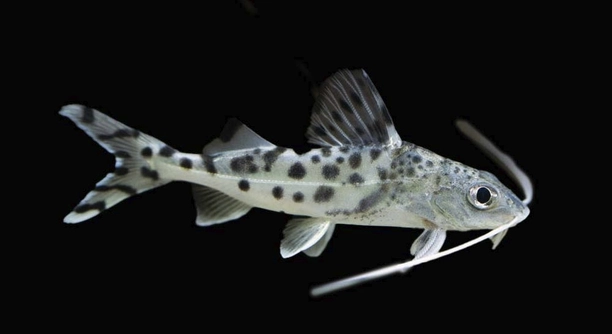
Have you ever noticed your pictus catfish looking sluggish or uncomfortable after feeding time and wondered what might be causing it?
Certain foods can cause bloating in pictus catfish due to their digestive sensitivity. These include high-fat meats, peas, corn, bread, and other items that produce excess gas or are hard to break down.
Learning which foods to avoid will help you maintain a healthy and balanced diet for your pictus catfish moving forward.
High-Fat Meats and Processed Foods
Pictus catfish have sensitive digestive systems that do best with light, protein-rich meals. High-fat meats like beef or pork, and processed foods such as deli meats or sausages, can cause bloating. These items are hard to digest and can lead to excess gas buildup in the digestive tract. The heavy fat content slows digestion, and additives in processed foods may irritate the gut lining. These effects can make your catfish uncomfortable or lethargic after feeding. Instead, it’s better to stick with lean protein sources like bloodworms, brine shrimp, or high-quality sinking pellets made for bottom feeders.
Even small amounts of processed meats can disrupt digestion and affect the health of your pictus catfish. Their digestive systems are not designed to break down heavy fats or added preservatives.
Replacing fatty and processed items with clean protein sources will make a noticeable difference. It supports smoother digestion and helps reduce the risk of bloating and related stress symptoms.
Peas, Corn, and Other Gas-Producing Vegetables
Peas and corn are common ingredients in fish food blends, but they’re not always the best choice for pictus catfish. These vegetables can ferment during digestion, causing gas and bloating in sensitive species.
Gas-producing vegetables like broccoli, cabbage, corn, and peas contain indigestible sugars that ferment in the gut. While a small amount might not cause visible issues, regular feeding can lead to bloating, erratic swimming, or loss of appetite. Corn’s outer husk is also hard for pictus catfish to break down. Peas, though often used as a laxative in fish care, need to be shelled and softened before feeding, or they may do more harm than good. If your fish appears swollen after meals or stays inactive near the bottom, it might be reacting to these foods. Stick to safer, digestible options like zucchini slices or blanched spinach if you want to include plant matter in their diet. Always feed in moderation and watch how your fish responds.
Bread and Wheat-Based Foods
Bread expands in water and can swell inside a pictus catfish’s stomach, leading to bloating. Wheat-based foods are also high in carbohydrates that their digestive systems aren’t built to process efficiently.
Feeding bread might seem harmless, but once it absorbs water, it turns into a sticky mass that’s hard to digest. This can cause intestinal blockages and visible bloating. Many wheat-based foods, like crackers or cereal bits, also contain additives and sugar, which are unsuitable for fish. Over time, offering these foods—even as occasional treats—can lead to weight gain, gas buildup, and stress. You might notice your fish hovering near the bottom, refusing food, or showing signs of discomfort. These behaviors can worsen if bread becomes a frequent part of their diet.
Avoiding bread and sticking to purpose-made fish food is a safer choice. There are plenty of soft, sinking pellets formulated for bottom dwellers that offer balanced nutrition without digestive stress.
Raw Vegetables and Skins
Raw vegetables can be too tough for pictus catfish to digest properly. Thick skins from cucumbers or zucchini may stay in their system longer, creating discomfort, gas, or constipation that leads to bloating and sluggish movement.
Most raw vegetables have a fibrous structure that fish can’t break down. Without cooking or softening them, they stay intact inside the fish’s gut and slow digestion. Skins from vegetables like bell peppers, squash, and zucchini are especially dense. Even when the interior is soft, the outer layer remains rough and hard to digest. When these build up in the intestines, they trap gas and limit nutrient absorption. This makes the fish appear bloated and inactive. To avoid this, always blanch vegetables before feeding and remove any tough skins. Blanching helps soften the texture and makes nutrients easier to absorb. If plant foods are part of your fish’s diet, gentle preparation can go a long way.
Leftover Human Food
Human leftovers often contain oils, spices, and salt that can upset a pictus catfish’s digestion. These ingredients may seem small, but they can cause bloating, internal irritation, and unnecessary stress on the fish’s system.
Even tiny bites of seasoned or oily food can trigger digestive issues. It’s best to avoid them completely.
Freeze-Dried Foods
Freeze-dried foods like bloodworms or tubifex cubes can swell rapidly inside a pictus catfish’s stomach if not pre-soaked. This sudden expansion causes bloating, discomfort, and, in some cases, floating problems. Although convenient, these foods lose moisture during processing, making them absorb large amounts of water once eaten. If they expand after being swallowed, it puts pressure on the fish’s internal organs. To prevent this, always soak freeze-dried items in tank water before feeding. This simple step allows the food to rehydrate properly, reducing the risk of bloating. You’ll also notice better digestion and more active behavior after meals when the food is easier to process.
Overfeeding
Too much food at once can overwhelm a pictus catfish’s digestive system. Excess food leads to slower digestion, bloating, and leftover waste that affects water quality. Keep meals small and regular for better health.
FAQ
What causes bloating in pictus catfish?
Bloating in pictus catfish is mainly caused by feeding foods that are hard to digest or that produce gas in their stomachs. High-fat meats, bread, peas, corn, and certain raw vegetables can swell or ferment in their digestive system, leading to discomfort and swelling. Overfeeding and not soaking freeze-dried foods also contribute to bloating.
How can I prevent my pictus catfish from bloating?
To prevent bloating, feed your pictus catfish a balanced diet focused on lean proteins like bloodworms and high-quality sinking pellets. Avoid high-fat or processed meats, bread, and gas-producing vegetables. Soak freeze-dried foods before feeding, and keep portion sizes small to avoid overloading their digestive system. Watch for signs of bloating and adjust their diet accordingly.
Is bloating harmful to pictus catfish?
Yes, bloating can be harmful. It causes discomfort, stress, and can lead to difficulty swimming or breathing. Prolonged bloating may cause more serious health issues like constipation or organ damage. Early attention and proper diet management are key to preventing long-term problems.
Can peas help with constipation in pictus catfish?
Shelled and softened peas can help relieve constipation if prepared properly. However, whole peas or those with skins can cause gas and bloating. Always remove the skin and blanch the peas before feeding to ensure they are easier to digest and safe for your fish.
Are freeze-dried foods safe for pictus catfish?
Freeze-dried foods are safe if handled correctly. They must be soaked in tank water before feeding to prevent them from expanding inside the fish and causing bloating. Without soaking, freeze-dried foods absorb water quickly once eaten, which can lead to digestive problems.
What should I do if my pictus catfish is bloated?
If your pictus catfish appears bloated, stop feeding problematic foods immediately. Offer small amounts of easily digestible foods and ensure the tank water is clean. You can fast the fish for a day or two to help clear its digestive system. If symptoms persist, consult a veterinarian experienced with fish.
How often should I feed my pictus catfish to avoid bloating?
Feed small portions once or twice a day rather than large meals. Overfeeding increases the risk of bloating and poor water quality, which affects fish health. Observing how much your fish eats and adjusting portions accordingly helps maintain proper digestion.
Can stress cause bloating in pictus catfish?
Stress can worsen digestive issues but is rarely the direct cause of bloating. Factors like poor water quality, overcrowding, or sudden changes in environment can stress your fish and affect digestion. Keeping a stable, clean environment supports better health and digestion.
Are there any signs besides swelling that indicate bloating?
Yes, bloated fish may swim awkwardly or float more than usual. They might become less active, lose appetite, or isolate themselves at the bottom of the tank. Rapid breathing and difficulty balancing are also signs. Early detection helps in managing the problem.
Is it okay to feed vegetables to pictus catfish?
Yes, but with care. Softened, skinless vegetables like blanched zucchini or spinach are easier to digest. Avoid tough skins and raw, fibrous vegetables that cause gas or blockages. Feeding vegetables occasionally and in small amounts is best.
How important is water quality in preventing bloating?
Water quality plays a big role in your fish’s digestion and overall health. Poor water conditions stress fish and may slow digestion, increasing the risk of bloating. Regular tank maintenance, water changes, and monitoring parameters keep your pictus catfish healthy and less prone to digestive issues.
Can medications help with bloating?
Medications are rarely needed unless bloating is caused by infection or parasites. Most cases are diet-related and improve with feeding changes. If you suspect illness, consult a fish veterinarian for proper diagnosis and treatment rather than self-medicating.
Final thoughts on managing bloating in pictus catfish focus on understanding their unique dietary needs and paying close attention to what you feed them. These fish have sensitive digestive systems that do not handle certain foods well, especially those high in fat, carbohydrates, or indigestible fiber. Foods like bread, peas, corn, and raw vegetables with tough skins can cause gas buildup and swelling, which leads to discomfort and health problems. Avoiding these items and sticking to a diet of lean proteins, such as bloodworms, brine shrimp, and specially formulated sinking pellets, is the best way to keep your fish healthy.
Besides choosing the right foods, portion control and preparation are very important. Overfeeding puts extra strain on a pictus catfish’s digestive system and often results in bloating. Feeding smaller amounts more frequently helps digestion and reduces waste in the tank. Additionally, some foods, especially freeze-dried items, must be soaked before feeding. This helps prevent the food from expanding inside the fish, which can cause internal pressure and bloating. Cooking or blanching vegetables before offering them also makes them easier to digest and safer for your fish.
Maintaining a clean tank and stable environment supports the overall health of your pictus catfish and aids digestion. Poor water quality can stress your fish and worsen digestive issues. Regular water changes, proper filtration, and monitoring of water parameters are essential. If your fish shows signs of bloating, such as swelling or unusual swimming, it’s important to act quickly by adjusting their diet and improving tank conditions. With careful feeding and good tank care, you can help your pictus catfish stay comfortable and thrive in your aquarium.

Hello,
If you enjoy the content that we create, please consider saying a "Thank You!" by leaving a tip.
Every little bit helps us continue crafting quality advice that supports the health, happiness, and well-being of pets around the world, for pets of all shapes, sizes, and species.
We really appreciate the kindness and support that you show us!