
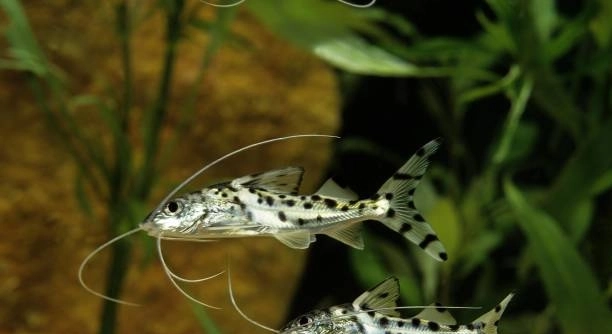
Is your Pictus catfish quick to hide the moment you start scrubbing near its tank or vacuuming nearby floors?
Some cleaning tools can create vibrations, noise, or light changes that disturb sensitive fish like the Pictus catfish. Using soft, low-noise equipment and gentle techniques can help maintain cleanliness without causing unnecessary stress to your aquatic companion.
Each tool listed ahead works quietly and efficiently, keeping your space clean while respecting your fish’s need for calm surroundings.
Soft-Bristled Broom for Quiet Floor Sweeping
A soft-bristled broom is a great option for sweeping near your fish tank without causing unnecessary stress. Hard bristles and aggressive sweeping can vibrate through the floor, startling your Pictus catfish. Soft bristles glide over hard surfaces with less force and sound, making them ideal for use in sensitive areas. These brooms are especially helpful for tiled or wooden floors where vacuuming may be too loud. Look for rubberized or angled designs that can easily collect dust without dragging heavily across the surface. They work well for daily tidying, and they’re easy to use even in smaller spaces. Keeping floors clean helps avoid dust buildup near the tank, which can affect air and water quality. A quick sweep with this kind of broom offers peace of mind for both you and your fish. It’s a simple upgrade, but it makes a noticeable difference in how your Pictus reacts to routine cleaning.
Choose a broom that has a padded handle and flexible bristles to reduce overall movement and sound while in use.
Unlike vacuums, this cleaning tool won’t produce mechanical noise, and it allows you to keep your tank area neat without alarming your catfish. It’s quiet, easy to store, and gentle in motion.
Microfiber Dusting Wand for Delicate Areas
This tool is perfect for reaching tight spaces near or around the aquarium. It lifts dust without needing any sprays or chemicals.
A microfiber dusting wand offers a gentle solution for keeping tank stands, cords, and nearby surfaces clean. It attracts fine dust using static charge, eliminating the need for strong chemicals or rough wiping. The lightweight wand design allows you to move around delicate areas with control and precision. Since it doesn’t create sound or vibration, it helps you clean while keeping your Pictus calm. These wands are especially useful for glass or acrylic tank exteriors, light fixtures, and wall edges that gather dust over time. Many microfiber tools are washable and reusable, making them cost-effective and sustainable. You’ll want one that has a bendable or extendable handle so you can reach spots above or behind the aquarium without needing to shift anything heavy. Because it doesn’t require pressure to be effective, the wand lets you handle cleaning quickly while protecting the calm environment your fish depends on.
Handheld Cordless Vacuum with Low Noise Design
A quiet handheld vacuum lets you remove dust and debris without disturbing your Pictus catfish. Choose one with a decibel rating under 70 for minimal noise. These models work well for spot-cleaning rugs, furniture, and corners near the tank.
Compact and lightweight, these vacuums are ideal for quick cleanups. Their low-suction settings reduce sound and vibration, helping you keep the environment peaceful. Use them for small messes around the aquarium or to remove hair and dust near air vents. They’re especially helpful in multi-pet homes where dander accumulates quickly. Many models now feature washable filters and cordless designs, making them more convenient and less intrusive. It’s best to charge them overnight and use them during daylight hours when fish are more alert. Stick to short bursts of cleaning near the tank to avoid any unnecessary motion or stress. A good model should also include a narrow nozzle for reaching tight spots.
This tool gives you a more controlled way to maintain clean surfaces without using a standard vacuum, which can be overwhelming for sensitive pets. You can use it to tidy sofa edges, under tank stands, or even inside cabinets that store fish supplies. As long as it runs quietly, it keeps cleaning efficient without disrupting your Pictus.
Squeeze Bottle for Spot Cleaning Tank Glass
A squeeze bottle lets you clean tank glass without loud tools or strong chemicals. Use it to rinse away algae or residue gently. It’s silent, easy to aim, and won’t create vibrations like traditional scrubbing methods can.
This method helps you keep your aquarium looking clear without using anything motorized or electric. Just fill the bottle with warm, dechlorinated water and apply a slow, steady stream to the glass surface. You can pair it with a soft cloth or magnetic cleaner to wipe away buildup without sudden motions. It’s great for targeting small marks without disturbing the tank’s overall balance. This approach also reduces your reliance on stronger cleaning products or tools that may scare your fish. Choose a squeeze bottle with a fine nozzle for better control and a tight seal to prevent leaks. It’s a small item, but it keeps cleaning quiet and gentle where it matters most.
Silicone Cleaning Brush for Small Corners
This brush bends easily and works well around tight edges and corners. It doesn’t scrape or make noise while you clean baseboards or shelves near your tank. The soft silicone bristles stay quiet and reduce any risk of loud vibrations.
You can use it for dry dusting or with a little water for a more thorough clean. It’s especially helpful around filter cords, tank lids, or stands. Because it’s quiet and easy to control, it helps you clean up without startling your Pictus or disrupting its space.
Soft Sponge Mop with Flat Head
This mop is perfect for hard floors and areas near your aquarium. Its flat head design glides across the surface with little pressure, and the sponge material absorbs dirt without leaving streaks. It doesn’t create much sound, especially compared to steam or spray mops. The handle should be lightweight and easy to guide around furniture, which makes it simple to use for small cleanups. You can dampen the sponge lightly for better results without soaking the floor. It’s especially useful for removing smudges near your tank stand without creating water splashes or loud movement.
Anti-Static Cleaning Cloth
This cloth collects dust without pushing it around or requiring any sprays. It’s perfect for wiping tank lids, cords, or nearby surfaces without creating sound. Since it doesn’t need pressure, it’s gentle and easy to use anytime.
FAQ
What cleaning tools are safe to use around Pictus catfish?
Safe cleaning tools are those that minimize noise, vibration, and sudden movements near your tank. Soft-bristled brooms, microfiber dusting wands, silicone brushes, and low-noise handheld vacuums are all good choices. Avoid loud electric vacuums or aggressive scrubbing tools that can stress your fish.
How can I reduce noise while cleaning near the aquarium?
Choose tools designed for quiet operation, such as soft brushes and microfiber cloths. Use hand tools instead of electric ones when possible. Sweep gently rather than forcefully, and keep vacuum use to brief periods with low suction settings. Avoid banging or tapping near the tank to keep vibrations minimal.
Can cleaning sprays harm my Pictus catfish?
Yes, many sprays contain chemicals that can be harmful if they enter the tank. Use only water or fish-safe cleaners on surfaces near your aquarium. Avoid spraying directly on or around the tank. Instead, spray cloths or tools and wipe surfaces carefully away from the water.
Is it okay to clean inside the tank with tools?
Only use tools made specifically for aquarium cleaning inside the tank, like magnetic algae scrapers or soft sponges designed for aquarium use. Avoid harsh scrubbing or sharp tools that might damage the tank or hurt your fish. Clean gently and regularly to avoid buildup that requires intense cleaning.
How often should I clean the area around my Pictus tank?
Cleaning frequency depends on your environment but aim for weekly dusting and spot cleaning. This prevents dust buildup that can affect water quality. Floors and nearby surfaces may need more frequent attention if pets or plants create extra debris. Regular maintenance keeps the tank safe and visually appealing.
What should I avoid when cleaning near a Pictus catfish tank?
Avoid loud machines, harsh chemicals, and vigorous scrubbing near the tank. Sudden movements and vibrations can stress your fish. Don’t tap on the glass or move the tank unnecessarily. Avoid water spills that can cause electrical hazards or damage furniture close to the aquarium.
Are electric vacuums always too loud for fish tanks?
Not all electric vacuums are too loud. Some handheld cordless models offer low noise and vibration levels suitable for quick cleanups near the tank. Always check the decibel rating and test the vacuum away from the aquarium first. Use electric vacuums sparingly and with caution.
Can I use a regular mop near my Pictus tank?
A regular mop may create noise and vibrations, especially if it has a spinning or mechanical head. Instead, use a soft sponge mop with a flat head that glides quietly over floors. Damp mops work best to avoid splashing water near the tank.
What’s the best way to clean tank glass without stressing my fish?
Use a squeeze bottle filled with warm water to gently rinse the glass, combined with a soft cloth or magnetic cleaner for wiping algae and residue. This avoids loud scrubbing or scraping noises. Clean in slow, controlled motions to minimize disturbance.
How do I clean cords and equipment around the tank quietly?
Use a microfiber dusting wand or anti-static cleaning cloth to gently wipe cords, filters, and lighting equipment. These tools attract dust without strong pressure or noise. Be careful not to pull or tug cords sharply to prevent disruption to your setup.
Can vibration from cleaning tools harm Pictus catfish?
Pictus catfish are sensitive to vibrations, which can cause stress or hiding behavior. Minimize vibration by choosing soft, manual cleaning tools and avoiding heavy footsteps or banging near the tank. Keeping the environment calm helps maintain your fish’s health and comfort.
How do I handle fish waste or debris without loud cleaning tools?
Use gentle tools like siphon hoses designed for aquarium use or soft nets to remove debris quietly. Avoid loud vacuums or shaking filters near the tank. Clean waste during regular water changes to keep buildup low and reduce the need for noisy deep cleans.
Are there any cleaning tools to avoid entirely near sensitive fish like Pictus?
Avoid high-powered vacuums, electric scrubbers, steam cleaners, and any tools that cause loud noise or heavy vibrations. Also, steer clear of harsh chemicals or abrasive tools that could harm your fish or damage the tank surfaces. Stick to gentle, low-noise cleaning methods.
How can I make cleaning less stressful for my Pictus catfish?
Keep cleaning sessions short and calm. Use quiet tools and avoid sudden movements near the tank. Maintain a regular cleaning schedule to prevent buildup that requires intense cleaning. Turning off bright lights and speaking softly during cleaning can also help your fish feel safe.
Is it necessary to turn off aquarium equipment when cleaning nearby?
It’s a good idea to turn off noisy equipment, like filters or air pumps, during cleaning to reduce vibrations and sounds. Just be sure to restart them promptly afterward to maintain water quality. Some low-noise equipment may not need to be turned off, but this depends on your setup.
What should I do if my Pictus catfish becomes stressed during cleaning?
Pause cleaning and give your fish time to calm down. Avoid loud noises or quick movements around the tank. You can dim lights or cover part of the tank temporarily to reduce stress. Resume cleaning slowly and gently once the fish appears relaxed.
These tips help ensure your Pictus catfish remains comfortable while you keep their environment clean and healthy.
Keeping a Pictus catfish tank clean without disturbing the fish requires careful choice of cleaning tools and techniques. The key is to use quiet, gentle equipment that minimizes vibrations and noise. Tools like soft-bristled brooms, microfiber dusting wands, and low-noise handheld vacuums help maintain a clean environment while keeping your fish calm. Avoiding loud, electric machines and harsh chemicals is important because sudden noises and strong smells can stress sensitive fish like the Pictus. By selecting the right tools, you create a peaceful space where your fish feel safe and you can still keep the tank and surrounding area neat.
Regular maintenance with these gentle tools also helps protect the health of your Pictus catfish. Dust and debris near the aquarium can affect water quality if not cleaned properly, and algae buildup on the glass reduces visibility. Using quiet, controlled cleaning methods reduces the risk of stressing your fish, which in turn supports their immune system and overall well-being. Small actions, such as wiping tank glass with a squeeze bottle or using a silicone brush on hard-to-reach spots, add up to a better living environment for your aquatic pet. These simple adjustments in your cleaning routine benefit both your home’s cleanliness and your fish’s comfort.
It’s natural to want the aquarium to look its best, but keeping your Pictus catfish calm during cleaning is just as important. Taking your time and using soft, low-noise tools lets you care for the tank without causing unnecessary stress. Quiet cleaning also gives you peace of mind, knowing your fish are safe while you work. Sticking to a regular schedule and being mindful of the tools and methods you use can make all the difference. This balance of care creates a healthy space where your Pictus catfish can thrive, and where cleaning becomes a smooth, stress-free part of your routine.

Hello,
If you enjoy the content that we create, please consider saying a "Thank You!" by leaving a tip.
Every little bit helps us continue crafting quality advice that supports the health, happiness, and well-being of pets around the world, for pets of all shapes, sizes, and species.
We really appreciate the kindness and support that you show us!