
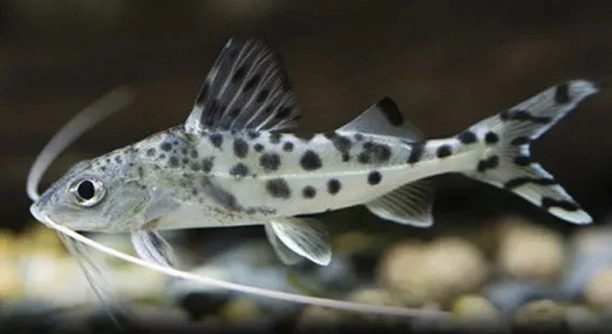
Do your Pictus catfish often seem restless or stressed, especially when swimming near fast-moving water areas in your aquarium setup?
The best way to adjust water flow for Pictus catfish comfort is to reduce current strength using flow-adjustable filters, strategically placed decorations, and gentle water pumps. These changes create calmer areas that better suit their natural behavior and needs.
Knowing how to control flow levels can make a big difference in your catfish’s comfort, behavior, and long-term well-being.
Understanding the Ideal Water Flow for Pictus Catfish
Pictus catfish are active swimmers that prefer moderate water movement. In the wild, they’re found in rivers with steady currents—not too strong, not too still. When placed in aquariums with harsh water flow, they often show signs of stress, hiding more or swimming erratically. On the other hand, completely still water doesn’t suit them either. To mimic their natural habitat, aim for a flow that allows them to swim comfortably without getting pushed around. Use adjustable filters and check how your fish react over time. A balanced flow encourages natural behavior, supports oxygenation, and helps maintain healthy tank conditions. Decorations like driftwood or rocks can break up stronger currents and offer calm zones. If your Pictus catfish always sticks to one side of the tank or avoids swimming, it may be time to reassess the flow.
Keep an eye on how they swim—smooth, relaxed movement means they’re comfortable.
When choosing a filter, opt for models with adjustable settings. Canister filters or sponge filters with controllable flow often work best. Also, try placing output nozzles against tank walls to soften the flow. Combine this with plants or structures that naturally slow water movement. With a bit of adjusting, your Pictus catfish can thrive in a setup that feels just right.
Signs the Flow is Too Strong
If your catfish constantly hides, darts around, or avoids the filter area, the flow may be too strong for comfort.
Observing their behavior is the easiest way to detect problems. If the water is too fast, Pictus catfish will often huddle in corners or behind objects, avoiding open areas. You may also see them swimming harder than usual just to stay in place. Over time, this can cause fatigue and increase stress levels, which affects their health. Adding plants, driftwood, or rock caves near the filter can block some of the water movement. If the tank has no spots of calm water, consider adjusting the output angle of your filter or swapping to a gentler model. These small changes can significantly improve your fish’s environment. A healthy tank should have a mix of gentle and moderate current zones to allow your catfish to rest when needed and swim freely when they’re active.
Adjusting Water Flow the Right Way
Start by reducing the filter’s power setting if it’s adjustable. If not, try using a pre-filter sponge or flow deflector to slow things down. Placing plants or rocks directly in the current’s path can also help disperse flow and create calmer areas in the tank.
Once the equipment is adjusted, watch how your Pictus catfish respond over the next few hours. They should swim more calmly and use the full tank space. If they’re still avoiding certain areas, move decorations or plants to break up the current more effectively. You can also use floating plants to dampen surface agitation. Always leave some areas with movement to maintain proper oxygen levels and filtration. The goal is to strike a balance—creating calm spots without compromising water quality. This might take a few tries, but it’s worth it when your fish seem more relaxed and active throughout the day.
If the tank is especially long, use multiple low-flow outputs instead of one strong current. This helps distribute flow evenly and prevents high-pressure zones. Sponge filters powered by air pumps are gentle options and double as biological filters. Avoid placing filters directly near the bottom where your Pictus catfish rest. Always double-check for debris build-up after changes. Reduced water flow may slow filtration, so more frequent cleaning could be necessary. Monitor water parameters and be consistent with partial water changes. These tweaks keep your setup clean while ensuring your catfish are not constantly struggling against the current. With these adjustments, the environment will better match their natural needs.
Equipment That Helps Regulate Flow
Use sponge filters or adjustable powerheads to help maintain steady but gentle flow. For strong filters, add spray bars or redirect the output against tank glass. These changes make flow less intense without reducing filtration efficiency.
A spray bar attached to a canister filter spreads water over a wider area, softening the pressure. Position it slightly above the waterline for surface movement or below for a gentle underwater current. A pre-filter sponge fits over the intake, reducing suction and slowing the return current. Adjustable powerheads can also be pointed at tank walls or hidden behind decorations to avoid direct force on your fish. For tanks with strong hang-on-back filters, adding baffles—like a piece of plastic or sponge—can control flow direction. Combine equipment adjustments with strategic tank layout using plants, rocks, and wood. Together, these changes give your Pictus catfish a steady environment that feels safer and more comfortable without compromising water quality.
Common Mistakes to Avoid
Using high-flow filters without any flow control can overwhelm Pictus catfish. Fast currents limit their swimming space and raise stress. Avoid placing filter outputs directly where your catfish rest or feed, as this disrupts their natural behavior and comfort in the tank.
Neglecting to observe behavior after flow changes can lead to ongoing problems. If your catfish still hide or swim against the current, more adjustment is needed. Don’t assume all fish need the same setup—what works for one species may stress another. Regular checks help ensure long-term comfort.
When to Reassess Your Setup
If your catfish frequently hide, breathe rapidly, or appear less active, the flow might still be too strong. You may need to reposition decorations or swap to softer equipment. Tank maintenance habits should also adjust when flow changes—slower water may need more frequent cleaning to stay clear. Watching behavior daily gives the best feedback.
Monitoring After Changes
Check how your Pictus catfish behave a few hours after adjusting the flow. They should swim more freely and explore more parts of the tank.
FAQ
How can I tell if the water flow is too strong for my Pictus catfish?
If your catfish swim constantly without resting, hide behind decorations all day, or stay near the bottom corners, the flow might be too strong. They may also appear jittery or dart quickly across the tank. These signs show they’re not comfortable with the current. A balanced flow should let them swim freely without struggling to stay in place. Calm swimming in open areas and regular exploration are good signs your water flow is suitable. Watch them closely after changes to make sure they’re settling into the new setup.
Can Pictus catfish live in low-flow tanks?
Pictus catfish prefer moderate flow, not low or stagnant water. In tanks with little movement, they may seem sluggish or become inactive. Low flow can also affect oxygen levels and water quality, both of which are important for their health. If your setup naturally has slow flow, try adding gentle air stones or a sponge filter to increase water circulation. Always make sure they’re moving comfortably and behaving normally. A little flow is better than none, but too much can stress them out.
What kind of filter is best for Pictus catfish?
Filters with adjustable flow settings work best. Canister filters with spray bars or internal filters that allow flow control are ideal. Sponge filters can also work well in smaller tanks, as they offer gentle flow and biological filtration. Avoid filters with strong currents unless you can reduce the flow. Placement matters too—pointing the output toward the tank wall or placing it behind decorations can help calm the water. Look for quiet, reliable models that won’t disrupt their environment. Consistent water movement helps with oxygen and cleanliness, which is important for their well-being.
Do I need to change the flow during feeding?
Yes, it’s a good idea to slow down the flow or turn off the filter briefly during feeding. Strong current can blow food around too fast, making it hard for your catfish to eat. Once feeding is done, turn the flow back on to keep the water clean and oxygenated. If your filter doesn’t have a switch, using a feeding ring or corner can help trap food in one area. This small change makes feeding time easier and more relaxed for them.
Is it okay to let the filter run at full power if I have a big tank?
Not always. Even in a large tank, the filter’s output can create strong localized flow that overwhelms your fish. Pictus catfish may still avoid certain zones if the current is too intense. Instead of running at full power, try spreading the flow across the tank with multiple outputs or using a spray bar. This ensures your catfish can move freely throughout the tank without constantly battling water pressure. A strong filter is fine, but the flow needs to be managed properly to avoid discomfort.
How often should I check the water flow in my tank?
Check it weekly, especially after cleaning or adjusting equipment. Small changes in position, filter output, or decorations can alter the current. Also, check the flow if your catfish start acting differently—hiding more, swimming less, or breathing faster. A visual inspection and a quick look at their behavior can tell you a lot. It’s also a good time to look for debris or blockages that could be affecting flow. Regular checks help you spot issues early and keep your catfish comfortable.
Can decorations alone help reduce strong water flow?
Yes, decorations can make a big difference. Large rocks, driftwood, or dense plants placed in the flow’s path help break it up. This creates calm spots without stopping the filter from working. Be careful not to overcrowd the tank, though—your catfish still need open space to swim. Try placing items in a way that diverts water around the tank, not straight at one area. Combining decor with filter adjustments gives you better control and helps create a more natural, comfortable space.
Should I use floating plants in a Pictus catfish tank?
Floating plants are helpful. They block surface flow and reduce light, creating a calmer, more shaded environment. Pictus catfish often feel safer in dim lighting and may explore more when floating plants are present. Choose non-invasive types like duckweed or water lettuce. Just make sure they don’t clog filters or cover the whole surface, since gas exchange is still important. Remove excess growth regularly to keep things balanced. Floating plants work well with other flow control methods and add a natural feel to the tank.
Final Thoughts
Keeping your Pictus catfish comfortable starts with understanding how water flow affects their behavior and well-being. These fish come from rivers with steady, moderate currents—not too fast, not too still. When the flow is too strong, they may hide, struggle to swim, or act stressed. If it’s too weak, the tank can lose oxygen and cleanliness. The goal is to strike a gentle balance that supports their health while still keeping your tank clean and active. Watching your fish daily helps you spot any signs of discomfort early, giving you time to make simple changes before stress builds up.
Small adjustments go a long way. You don’t need to buy expensive new equipment—just redirecting a filter outlet, adding plants or decorations, or choosing a sponge filter can help reduce flow pressure. Always check if your catfish are using the whole tank or sticking to one side. If they’re relaxed and swimming steadily, the flow is likely in a good range. If they’re swimming hard against the current, breathing fast, or avoiding open water, that’s a sign it needs to be adjusted. Your tank layout also plays a big role, so try mixing open areas with hiding spots that block direct current.
Maintaining the right flow helps your catfish feel secure, stay active, and live longer. It also keeps water movement consistent, which supports oxygen exchange and filter performance. As with most aquarium care, regular observation is key. Each tank is different, and what works for one setup might not work for another. Keep things simple by testing, watching, and adjusting slowly over time. When your Pictus catfish swim smoothly, explore their surroundings, and show interest during feeding, it’s a clear sign they’re thriving. Creating that kind of stable environment doesn’t take much—it just takes a little attention and care.

Hello,
If you enjoy the content that we create, please consider saying a "Thank You!" by leaving a tip.
Every little bit helps us continue crafting quality advice that supports the health, happiness, and well-being of pets around the world, for pets of all shapes, sizes, and species.
We really appreciate the kindness and support that you show us!