
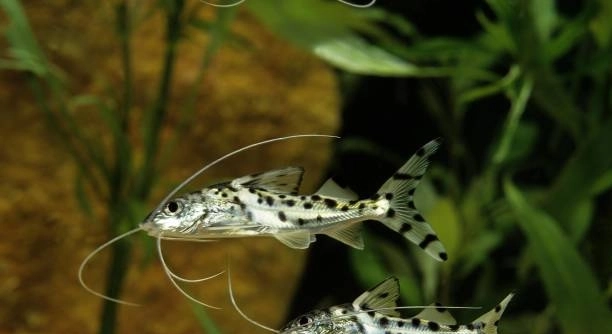
Pictus catfish are popular freshwater fish known for their active nature and striking appearance. Many fishkeepers enjoy watching them swim and feed. Feeding habits play an important role in keeping these fish healthy and happy in home aquariums.
Pictus catfish are best fed sinking or bottom-floating foods rather than strictly floating food. Their natural behavior involves scavenging near the tank’s bottom, making sinking pellets more suitable for their diet and feeding patterns.
Choosing the right food for your pictus catfish can improve their well-being and encourage natural behaviors. Understanding how they prefer to eat helps create a balanced and comfortable environment for them to thrive.
Why Pictus Catfish Prefer Sinking Food
Pictus catfish naturally search for food along the bottom of rivers and lakes where they live. Their barbels, or whisker-like feelers, help them detect food in murky water. Floating food can be difficult for them to reach because they usually swim near the tank floor. When floating food stays on the surface too long, it can spoil and pollute the water, which is harmful to fish health. Sinking pellets or wafers are better because they allow the catfish to feed comfortably without competing with surface fish. Feeding them sinking food mimics their natural eating habits and helps keep the aquarium cleaner. This way, your pictus catfish will be less stressed and more active, showing off their playful nature. Offering a mix of sinking food with occasional live or frozen treats can also provide good nutrition and variety in their diet.
Feeding sinking food helps maintain better water quality and keeps pictus catfish comfortable in their environment.
Providing the right type of food supports their natural behavior and overall health, which makes watching them more enjoyable.
How to Feed Pictus Catfish Floating Food Properly
If you choose to give pictus catfish floating food, it’s important to be careful about how you do it. Floating food should be offered sparingly and in small amounts to prevent it from spoiling. Watching the fish eat closely can help you see if they are actually consuming the food or if it just sits on the surface. You might notice that other fish in the tank finish the floating food first, leaving the catfish hungry.
Floating food can be given occasionally as a treat, but it should not replace sinking food in their regular diet. It is best to break floating pellets into smaller pieces so they sink slowly, allowing the pictus catfish to reach them more easily. Keeping the feeding area clean by removing uneaten food quickly will protect water quality and prevent illness. Offering a balanced feeding schedule with mostly sinking food and occasional floating treats ensures your pictus catfish stay healthy and active.
Best Types of Floating Food for Pictus Catfish
Floating foods like flakes or small pellets can be used but only occasionally. They should be chosen carefully to ensure they provide enough nutrients and do not float away too quickly.
Some floating foods dissolve too fast, which can harm water quality if uneaten. Look for slow-sinking pellets or wafers designed for bottom feeders. These options allow the food to stay near the catfish longer, making it easier for them to eat. Freeze-dried or frozen treats like bloodworms can also be offered on the surface but should sink quickly or be broken into small pieces.
Avoid large, hard floating pellets that the catfish cannot manage. Mixing different types of food, focusing on sinking options, will meet nutritional needs and keep feeding interesting for your pictus catfish.
Feeding Schedule Tips for Pictus Catfish
Feeding your pictus catfish two times a day works well to keep them healthy without overfeeding. Small portions that the fish can finish within a few minutes prevent leftover food from polluting the tank.
Keeping a regular schedule helps your fish develop a routine, which can reduce stress and promote better digestion. On days when you offer floating food, provide only a small amount and balance it with sinking pellets. Adjust portions based on how much your catfish eat to avoid waste. Regular cleaning of the tank floor after feeding keeps the environment clean and your fish happy. Consistency in feeding times also makes it easier to notice changes in appetite or behavior, which can signal health issues early.
Risks of Feeding Only Floating Food
Feeding pictus catfish only floating food can lead to malnutrition. They may struggle to eat properly, missing out on essential nutrients found in sinking foods.
Uneaten floating food can quickly pollute the water. This increases the risk of harmful bacteria and poor tank conditions, affecting the health of all fish.
How to Encourage Pictus Catfish to Eat Floating Food
To help pictus catfish accept floating food, break it into smaller pieces that sink slowly. This makes it easier for them to reach and eat. Offer floating food right after feeding sinking pellets to spark their interest. Consistent, gentle feeding times help them get used to new foods. Using live or frozen treats alongside floating food can also encourage feeding by appealing to their natural instincts. Patience is key because sudden changes in diet can cause stress. Over time, your catfish may become more comfortable eating floating food when it is offered carefully.
Observing Feeding Behavior
Watch your pictus catfish during feeding times. Notice how they respond to floating versus sinking food to adjust their diet effectively.
FAQ
Can pictus catfish live on floating food alone?
Pictus catfish cannot thrive on floating food alone. Their natural feeding habits are centered around scavenging near the bottom of their environment. Floating food tends to stay at the surface, making it harder for them to reach and eat regularly. Relying only on floating food can lead to poor nutrition and health problems. For their well-being, sinking pellets or wafers are necessary to meet their dietary needs. Floating food can be offered occasionally but should not replace sinking food as their main diet.
Is it okay to feed pictus catfish flakes?
Feeding flakes to pictus catfish is possible, but flakes usually float and break down quickly. Because of this, flakes are not the best option for them. If flakes are offered, they should be broken into small pieces to sink slowly. It’s better to provide sinking pellets or wafers as the primary food. Flakes may be fine as an occasional supplement but should not form the bulk of the diet. Ensuring food reaches the catfish at the bottom is more important than the type of food itself.
How often should I feed my pictus catfish?
Feeding pictus catfish twice daily is ideal. Providing small portions they can finish in a few minutes reduces leftover food and keeps the tank clean. Overfeeding can cause water quality problems and health issues for the fish. A consistent feeding schedule helps maintain their routine and digestive health. You can offer sinking pellets at one feeding and a small treat of floating or frozen food at another, but the main diet should focus on sinking options.
Can pictus catfish eat live or frozen food?
Yes, pictus catfish enjoy live or frozen food such as bloodworms, brine shrimp, or daphnia. These types of food mimic their natural diet and provide excellent nutrition. Live or frozen food is especially good as an occasional treat to add variety and encourage natural hunting behaviors. However, live or frozen food should complement, not replace, a balanced diet based mostly on sinking pellets or wafers.
What happens if floating food is left uneaten in the tank?
Uneaten floating food left in the tank can quickly pollute the water. It decomposes and releases harmful substances that affect fish health and water clarity. This can lead to increased ammonia levels, promoting bacterial growth and disease risk. Removing uneaten food promptly after feeding is essential to maintaining good water quality. Using sinking food reduces the chance of leftovers floating on the surface and helps keep the tank cleaner.
Are there special sinking foods made for pictus catfish?
Yes, many brands offer sinking pellets or wafers formulated for bottom-feeding fish like pictus catfish. These foods are designed to sink slowly and stay intact longer so the catfish can eat comfortably. They often contain nutrients and ingredients tailored to meet the dietary needs of bottom dwellers. Choosing quality sinking food helps ensure your pictus catfish receives proper nutrition while supporting their natural feeding habits.
How can I tell if my pictus catfish is not eating enough?
Signs your pictus catfish is not eating enough include weight loss, lethargy, hiding more than usual, or visible changes in body shape. Reduced activity and dull coloration can also indicate poor health. Monitoring their behavior during feeding is important. If the fish ignores food or cannot compete with tank mates, adjustments may be needed. Offering food at times when other fish are less active or feeding separately can help ensure your catfish gets enough to eat.
Is it necessary to remove floating food after feeding?
Yes, removing uneaten floating food is important to maintain water quality. Floating food that remains on the surface can break down quickly, causing pollution. This can harm your pictus catfish and other tank inhabitants. Using a small net or siphon to clean leftover food soon after feeding is a good practice. Regular water changes combined with careful feeding habits help keep the aquarium environment safe and healthy.
Can pictus catfish eat vegetable-based floating food?
Pictus catfish are primarily carnivorous but can eat some vegetable matter. Vegetable-based floating foods might not be their preferred choice and could be ignored. However, offering occasional vegetable flakes or pellets can add dietary variety. It’s best to focus on protein-rich sinking foods for their main diet. If you want to include vegetable-based options, monitor how your catfish responds and ensure it doesn’t replace their core nutrition.
What is the best way to introduce floating food to pictus catfish?
Start by offering small amounts of floating food broken into tiny pieces so they sink slowly. Feed floating food right after sinking pellets to attract their interest. Observe their reaction carefully. If they show interest, you can gradually increase the amount. Patience is key because sudden changes in diet can stress them. Combining floating food with live or frozen treats can help encourage feeding. Always keep the tank clean and remove leftovers quickly to avoid water quality issues.
Pictus catfish have specific feeding needs that help them stay healthy and active. Their natural behavior is to search for food near the bottom of the tank or riverbed, so sinking food is usually the best option. While floating food can be offered, it should only be in small amounts and as a treat rather than their main diet. Sinking pellets or wafers match their natural habits and provide the nutrients they need. This makes feeding easier for the catfish and helps keep the aquarium clean and safe. When the right food is given, pictus catfish can show more natural behaviors and be more lively.
Feeding pictus catfish requires paying attention to their eating habits and tank conditions. Uneaten floating food can cause water pollution, which harms all the fish in the aquarium. Because pictus catfish tend to feed at the bottom, floating food left on the surface may not be eaten and can quickly spoil. Regularly removing leftover food after feeding and choosing sinking options reduces this risk. It also helps maintain good water quality, which is important for fish health. Keeping the feeding routine consistent and offering mostly sinking food with occasional floating treats can make a big difference in their well-being.
Overall, a good feeding plan for pictus catfish balances nutrition with their natural behaviors. Using mostly sinking food that reaches them where they like to eat is the safest approach. Floating food can be added carefully and in moderation to provide variety. Watching your fish during feeding times helps you understand what works best for them. With the right care, pictus catfish will stay healthier and happier, making your aquarium a more enjoyable place to watch and care for them. Paying attention to these details ensures your fish have a good life and remain active companions in your tank.

Hello,
If you enjoy the content that we create, please consider saying a "Thank You!" by leaving a tip.
Every little bit helps us continue crafting quality advice that supports the health, happiness, and well-being of pets around the world, for pets of all shapes, sizes, and species.
We really appreciate the kindness and support that you show us!