
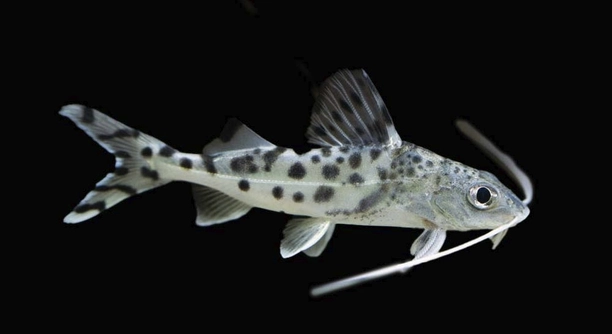
Many fish owners notice their Pictus Catfish acting slow or tired. Lethargy in these fish can be worrying since it affects their overall health. Understanding what causes this behavior helps keep them happy and active in the tank.
Lethargy in Pictus Catfish can result from various factors including poor water quality, improper diet, disease infections, stress from tank mates, inadequate oxygen levels, temperature fluctuations, and internal parasites. Each cause impacts the fish’s energy and wellbeing differently.
Knowing these causes can help you provide better care and improve your catfish’s condition. This article will explain each reason clearly so you can spot problems early and keep your pet healthy.
Poor Water Quality
Water quality is one of the most common reasons Pictus Catfish become lethargic. These fish are sensitive to toxins like ammonia and nitrites, which can build up quickly in tanks that are not cleaned regularly. Even small changes in pH or hardness can stress the fish. When water conditions are poor, catfish may reduce activity to conserve energy or avoid further harm. Regular water testing and maintenance are essential to keep the environment stable and safe. Using filters and partial water changes helps remove waste and keeps chemicals at healthy levels. Ignoring water quality often leads to sickness and long-term health problems, so it’s important to act quickly when you notice your fish slowing down.
Poor water quality weakens the immune system, making catfish more vulnerable to diseases.
Keeping your tank clean and balanced can prevent lethargy and improve your Pictus Catfish’s overall health and energy levels.
Improper Diet
Feeding your Pictus Catfish the wrong diet can cause lethargy. These fish need a balanced mix of protein and nutrients to stay active. Overfeeding or underfeeding both lead to problems. Too much food can pollute the water, and too little causes weakness. It’s best to provide a varied diet with sinking pellets, frozen or live foods like bloodworms and brine shrimp. Avoid feeding only flakes or dry food since it doesn’t meet all their nutritional needs. Also, feed small amounts two to three times a day instead of one large meal. Monitoring your catfish’s eating habits will help you spot changes in appetite, which often accompany lethargy caused by diet issues. Proper feeding supports energy and overall wellbeing.
Disease Infections
Diseases can cause lethargy in Pictus Catfish quickly. Common infections include bacterial, fungal, and parasitic illnesses.
Bacterial infections often result from poor water quality or injuries. Symptoms besides lethargy include red streaks, ulcers, or cloudy eyes. Fungal infections appear as cotton-like growths on the body or fins. Parasites like ich cause white spots and constant scratching. Treating diseases early is crucial to prevent worsening health. Quarantining new fish before adding them to the tank reduces the risk of spreading infections. Using proper medication, improving water conditions, and monitoring fish behavior can help manage these issues effectively. Ignoring symptoms can lead to death, so it’s important to act as soon as you notice unusual signs.
Regular observation and maintaining clean water help lower the risk of diseases in your tank. Prompt treatment improves your catfish’s chances of recovery and returning to normal activity.
Stress From Tank Mates
Stress caused by aggressive or incompatible tank mates can make Pictus Catfish lethargic. Constant bullying or chasing drains their energy and affects health.
Some fish species may nip at the Pictus Catfish’s fins or outcompete them for food, increasing stress levels. This continuous pressure causes hiding, loss of appetite, and reduced movement. To reduce stress, choose peaceful tank mates and provide plenty of hiding spots. Monitoring fish interactions allows you to separate aggressive individuals quickly. Creating a calm environment improves the catfish’s comfort and helps restore normal activity levels. Adjusting tank conditions and social groups supports healthier behavior and prevents chronic stress-related lethargy.
Inadequate Oxygen Levels
Low oxygen in the tank causes lethargy in Pictus Catfish. Fish may gasp at the surface or stay still to save energy.
Poor aeration or overcrowding reduces oxygen availability. Regular water movement and proper stocking help keep oxygen levels sufficient for healthy fish activity.
Temperature Fluctuations
Pictus Catfish prefer stable temperatures between 74°F and 79°F. Sudden changes or temperatures outside this range cause stress and lethargy. Maintaining a consistent, suitable temperature with a reliable heater and thermometer is essential to avoid these problems.
Internal Parasites
Internal parasites can cause lethargy by weakening your Pictus Catfish’s body. These parasites interfere with digestion and nutrient absorption, reducing energy levels. If left untreated, they can cause serious health problems. Watching for other signs like weight loss or bloating helps identify this issue early.
What are the first signs of lethargy in Pictus Catfish?
The first signs usually include slower swimming, resting more than usual, and hiding in corners. Your catfish might also show less interest in food and interact less with tank mates. These subtle changes are important to notice early to prevent further health decline.
How can I test if my tank water is safe for my Pictus Catfish?
Use a water test kit to measure ammonia, nitrite, nitrate, pH, and hardness levels. Ammonia and nitrites should be at zero, nitrates below 20 ppm, and pH stable around 6.5 to 7.5. Regular testing, at least once a week, keeps the environment healthy and helps prevent lethargy caused by poor water quality.
How often should I clean my Pictus Catfish tank?
Partial water changes of 20-30% once a week are usually enough to maintain good water quality. Clean the substrate gently to avoid disturbing beneficial bacteria. Avoid over-cleaning, which can upset the tank’s balance and stress your fish.
What is the best diet to keep my Pictus Catfish active?
Feed a mix of high-quality sinking pellets and frozen or live foods like bloodworms, brine shrimp, and daphnia. This variety provides necessary protein and nutrients. Avoid overfeeding and remove uneaten food quickly to keep water clean and your catfish healthy.
Can stress from tank mates cause permanent damage?
Yes, prolonged stress can weaken the immune system, making your catfish vulnerable to diseases. Aggressive fish should be separated or housed in a different tank. Ensuring a peaceful community tank helps your Pictus Catfish stay active and healthy.
How do I know if my Pictus Catfish has parasites?
Signs include lethargy, weight loss, bloating, and sometimes scratching against surfaces. A fecal exam by a vet or fish specialist can confirm parasites. Treatment usually involves specific medications and improving tank conditions.
Is it normal for Pictus Catfish to be less active at night?
Yes, Pictus Catfish are primarily nocturnal and may rest during the day. Reduced activity at night could be a sign of illness or stress, so monitor their behavior closely during both day and night.
How important is tank temperature for Pictus Catfish activity?
Very important. Temperature affects metabolism and energy. Keep it stable between 74°F and 79°F. Use a heater with a thermostat and a thermometer to avoid sudden drops or spikes, which cause lethargy and stress.
What can I do if my Pictus Catfish is lethargic but water parameters are fine?
Check for other issues like disease, parasites, or stress from tank mates. Observe their behavior closely and consider quarantining the fish if necessary. Consult a vet or experienced fish keeper for advice on treatment options.
Can adding plants or decorations help reduce lethargy?
Yes, providing hiding spots and plants reduces stress by giving your catfish places to feel safe. This encourages natural behavior and improves activity. Just make sure decorations don’t overcrowd the tank or block swimming space.
Should I quarantine new fish before adding them to the tank?
Absolutely. Quarantine for at least two weeks to monitor for diseases and parasites. This prevents introducing infections that can cause lethargy and other health issues in your established tank.
How do I safely treat diseases causing lethargy?
Identify symptoms and use appropriate medications according to instructions. Improve water quality and isolate sick fish if possible. Avoid overmedicating, as it can harm beneficial bacteria and stress other tank inhabitants.
Can overcrowding cause lethargy in Pictus Catfish?
Yes, overcrowding lowers oxygen levels and increases waste, leading to poor water quality and stress. Ensure your tank size and stocking density fit your catfish’s needs to keep them energetic and healthy.
What role does oxygenation play in preventing lethargy?
Good oxygen levels are crucial. Use air pumps, filters that disturb the water surface, or live plants to maintain oxygen. Low oxygen causes fish to slow down and breathe heavily, signaling distress.
How long does it take for a lethargic Pictus Catfish to recover?
Recovery time varies depending on the cause and treatment. With prompt action and good care, improvement can be seen within days to weeks. Patience and consistent tank maintenance are key for full recovery.
When Pictus Catfish become lethargic, it is often a sign that something in their environment or health needs attention. Understanding the common causes, such as poor water quality, improper diet, stress from other fish, diseases, or low oxygen, helps fish owners respond quickly. Keeping a regular routine of tank maintenance, water testing, and observing your fish’s behavior is very important. These small steps can prevent many problems before they start and help your catfish stay active and healthy.
Taking care of a Pictus Catfish means providing a balanced diet and a peaceful tank environment. Feeding the right foods and avoiding overfeeding ensures your fish get the nutrients they need without polluting the water. Choosing compatible tank mates and creating hiding spaces reduce stress, which also keeps your catfish lively. When health issues appear, acting early by identifying symptoms and treating diseases or parasites can save your fish from serious harm. Consistency in care plays a big role in maintaining their wellbeing.
In the end, keeping a Pictus Catfish healthy requires attention and patience. No fish owner wants to see their pet slow down or lose energy. By learning the causes of lethargy and how to address them, you can improve your fish’s life and enjoy watching their natural behavior. Regular care, clean water, good food, and a calm tank are the best ways to support your catfish’s health over time. This care will help your Pictus Catfish remain a lively and enjoyable part of your aquarium.

Hello,
If you enjoy the content that we create, please consider saying a "Thank You!" by leaving a tip.
Every little bit helps us continue crafting quality advice that supports the health, happiness, and well-being of pets around the world, for pets of all shapes, sizes, and species.
We really appreciate the kindness and support that you show us!