
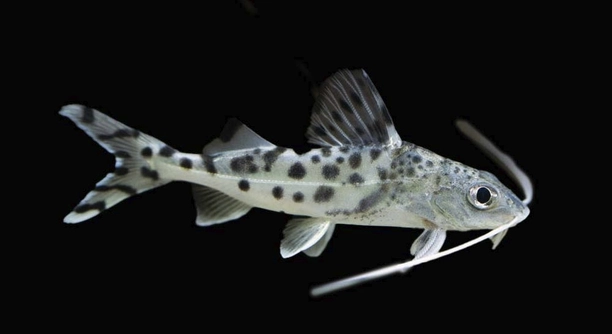
Many aquarium lovers enjoy keeping different fish species together to create lively tanks. Combining species like Pictus catfish and goldfish is common, but it requires careful thought. Each fish has unique needs and behaviors that can affect their compatibility.
Pictus catfish and goldfish generally should not be kept together in the same tank. Their different water temperature preferences and activity levels can cause stress and health issues. Additionally, Pictus catfish may become aggressive or outcompete goldfish for food.
Learning about their care requirements can help ensure a healthy aquarium environment. This article explains important factors for keeping these fish in harmony or separately.
Temperature and Water Conditions
Pictus catfish prefer warmer water temperatures, usually between 75°F and 81°F, while goldfish thrive in cooler water, around 65°F to 75°F. This difference means keeping them together can stress one or both species, weakening their immune systems. Pictus catfish are also more sensitive to water quality and need well-oxygenated water with a strong current. Goldfish produce a lot of waste, which can make it harder to maintain clean water for Pictus catfish. Balancing these needs in one tank is challenging and requires extra filtration and regular water changes. If the water is too warm for goldfish, they can develop health problems. If it’s too cool for Pictus catfish, they may become sluggish or ill. Keeping these species happy means finding a middle ground or considering separate tanks that meet their specific needs.
Pictus catfish and goldfish do not share ideal water conditions, making cohabitation difficult.
When setting up an aquarium, understanding each species’ preferred temperature and water quality is key. Trying to force both fish to live in one environment may lead to stress and illness. Regular monitoring and maintenance are essential to prevent problems if they share a tank.
Behavior and Compatibility
Goldfish are generally calm and slow-moving fish. They spend much of their time near the bottom but do not actively hunt or chase other fish. Pictus catfish are more active and sometimes aggressive, especially at night. They may nip at the fins of goldfish or compete aggressively for food. This behavior can cause injury or stress. Pictus catfish also prefer hiding spots and areas with cover, while goldfish swim more openly in the tank. Mixing these different personalities can lead to tension. In addition, Pictus catfish’s sharp barbels and fast movements can scare goldfish, which tend to be more peaceful and slower. When choosing tank mates, it’s important to consider these behavioral differences to avoid conflicts.
Tank mates with very different behavior patterns usually don’t mix well.
To help both species thrive, provide enough space and hiding places, and monitor interactions closely. Sometimes, keeping them in separate tanks is the safest option for their health and wellbeing.
Tank Size and Environment
Both Pictus catfish and goldfish need plenty of space to swim freely. A small tank will cause stress and aggression, especially since Pictus catfish are active swimmers and goldfish grow quite large. Providing enough room is essential for their health.
A minimum of 30 gallons is recommended for a single Pictus catfish, with an extra 10 gallons for each additional catfish. Goldfish need at least 20 gallons per fish due to their size and waste production. Combining them means a tank well over 50 gallons is necessary. The tank should have hiding spots like caves or plants for Pictus catfish to feel secure. Avoid sharp decorations since catfish have sensitive barbels. Good filtration is also crucial to manage waste and maintain water quality.
A spacious tank with proper filtration and hiding spots can reduce stress and improve compatibility. Without enough room, both species can become unhealthy and more aggressive.
Feeding Differences
Goldfish are omnivores and tend to eat slowly, often grazing throughout the day. They prefer flakes, pellets, and vegetable matter. Pictus catfish are more carnivorous and need protein-rich food such as live or frozen bloodworms and insects. Their feeding style is faster and more competitive.
Feeding both species in the same tank can be difficult. Pictus catfish may eat faster and dominate food access, leaving goldfish hungry. Uneaten food can also pollute the water, which harms both fish. To manage this, feed goldfish and catfish separately when possible, or scatter food in different areas of the tank to reduce competition. Monitoring feeding times helps ensure both fish get proper nutrition.
Feeding habits and dietary needs differ greatly between these fish. Planning feeding routines carefully helps maintain balance and keeps both species healthy.
Lifespan and Growth
Goldfish typically live longer than Pictus catfish, often reaching 10 to 15 years with proper care. Pictus catfish usually live around 8 to 10 years. Both species can grow quite large, which should be considered before pairing them.
Goldfish can grow up to 12 inches or more, while Pictus catfish reach about 6 inches. Their size difference may cause issues in a shared tank.
Disease Risks
Mixing species with different care needs can increase the risk of illness. Goldfish are prone to fungal infections, while Pictus catfish may suffer from bacterial diseases if stressed. Maintaining excellent water quality is essential to reduce disease risks for both fish.
Breeding Challenges
Breeding Pictus catfish and goldfish in the same tank is very unlikely. Their breeding habits and conditions differ greatly, so they do not reproduce together naturally.
Tank Setup Essentials
A tank housing both species requires strong filtration, frequent water changes, and hiding spots for catfish. Proper lighting and open swimming areas for goldfish are also important.
FAQ
Can Pictus catfish and goldfish live together peacefully?
Pictus catfish and goldfish generally do not live peacefully in the same tank. Their different temperature needs and activity levels can cause stress. Pictus catfish are more active and may bother the slower, calmer goldfish. This can lead to injury or stress for both fish, making cohabitation difficult.
What size tank do I need for both species?
If you want to keep both, a very large tank of at least 60 gallons is needed. Goldfish grow large and produce a lot of waste, while Pictus catfish are active swimmers needing space to hide and roam. Smaller tanks increase stress and aggression risks.
How often should I feed them?
Feed goldfish twice a day with flakes or pellets, offering vegetables occasionally. Pictus catfish need protein-rich food like bloodworms or brine shrimp two or three times a day. Feeding separately or scattering food can reduce competition during mealtime.
Can they share the same water conditions?
They prefer different water temperatures—goldfish like cooler water, Pictus catfish prefer warmer. Finding a middle temperature can stress one or both fish. Water quality must be excellent to handle goldfish waste and sensitive catfish needs.
Will Pictus catfish nip at goldfish fins?
Yes, Pictus catfish can nip fins, especially if they feel crowded or stressed. Goldfish have long, flowing fins that attract attention. Providing plenty of hiding places and space can help reduce fin nipping.
Do goldfish bully Pictus catfish?
Goldfish are mostly peaceful but can outcompete Pictus catfish for food due to their size. Bullying is less common, but goldfish may accidentally injure catfish while swimming quickly or during feeding.
How do I set up the tank to keep them comfortable?
Use a large tank with strong filtration and plenty of hiding spots for Pictus catfish. Open swimming areas are important for goldfish. Avoid sharp decorations to protect catfish barbels. Regular water changes keep conditions stable.
What signs show they are stressed living together?
Watch for hiding, loss of appetite, fin damage, or lethargy. Pictus catfish might become more aggressive or restless, while goldfish may stop eating or develop dull colors. These are signs to reconsider the tank setup or separate the fish.
Can they breed in the same tank?
It is highly unlikely. Their breeding requirements and behaviors differ too much. Goldfish spawn in cooler water with plants, while Pictus catfish need warmer temperatures and hiding spots to lay eggs.
Is it better to keep them separate?
Yes, keeping Pictus catfish and goldfish in separate tanks is usually best. This allows each species to have ideal water temperature, diet, and environment. Separate tanks reduce stress and improve their health and lifespan.
How often should I test water quality?
Test water at least once a week. Goldfish produce a lot of waste, which can quickly harm Pictus catfish. Monitor ammonia, nitrite, nitrate, and pH levels. Keeping water clean prevents illness and keeps both species comfortable.
What filtration system works best?
A strong filter that handles high waste is needed. Canister filters or powerful hang-on-back filters work well. Make sure the filter flow is not too strong for goldfish, but still provides oxygenation for Pictus catfish.
Can Pictus catfish live in cooler water if kept with goldfish?
Pictus catfish can survive in cooler water but will be less active and may become unhealthy over time. They thrive best in warmer water, so cooler temperatures can shorten their lifespan.
What decorations are best for a mixed tank?
Soft plants, smooth rocks, and driftwood provide hiding spaces for catfish without harming their barbels. Avoid sharp or rough decorations. Open swimming space is also important for goldfish, so balance the tank layout accordingly.
How do I prevent fighting during feeding?
Feed fish in different tank areas and use sinking food for Pictus catfish. Watch feeding time to ensure goldfish get enough food too. Feeding separately or using feeding rings can reduce competition and aggression.
What common diseases affect these fish?
Goldfish often face fungal infections, swim bladder issues, and fin rot. Pictus catfish can suffer from bacterial infections and parasitic diseases if stressed. Good water quality and proper diet reduce disease risk.
How long do they live on average?
Goldfish live 10 to 15 years, sometimes longer. Pictus catfish typically live around 8 to 10 years with good care. Proper tank conditions and diet help extend their lifespan.
Are there better tank mates for Pictus catfish?
Yes, small, peaceful tropical fish like tetras or rasboras are better suited with Pictus catfish. They share similar water needs and temperaments, reducing stress and conflict.
Are there better tank mates for goldfish?
Other goldfish or cold-water fish like white cloud minnows make better companions. They thrive in cooler water and similar conditions, making them a good match for goldfish.
Keeping Pictus catfish and goldfish together in one tank is usually not a good idea. They have very different needs when it comes to water temperature, behavior, and diet. Pictus catfish prefer warmer water and are more active, while goldfish do better in cooler water and tend to be calmer. Trying to keep both in the same environment can cause stress, illness, and even aggression. The differences in their habits make it hard for them to live comfortably together. For these reasons, many experts recommend keeping them in separate tanks to ensure each species gets the best care possible.
Another important factor is their tank size and environment. Both fish grow quite large and need plenty of space to swim freely. Goldfish produce a lot of waste, which means you will need a strong filter and regular water changes to keep the water clean. Pictus catfish also need hiding spots like caves or plants to feel safe. If the tank is too small or crowded, the fish will become stressed, which can lead to health problems and aggression. Having a tank that is too small for both species only increases the chance of fighting and injuries. Providing the right space and setup is key for keeping fish healthy and happy.
Feeding these two fish together can also be challenging. Goldfish eat slowly and prefer flakes, pellets, and vegetables, while Pictus catfish need protein-rich foods and are faster eaters. This difference can cause competition during feeding time, with the catfish sometimes outcompeting the goldfish. Feeding them in different spots or at different times helps reduce this problem. Overall, Pictus catfish and goldfish have different care needs that make sharing a tank difficult. If you want to keep both species, it is best to provide separate tanks designed to suit each one’s needs, so they can both live healthy and stress-free lives.

Hello,
If you enjoy the content that we create, please consider saying a "Thank You!" by leaving a tip.
Every little bit helps us continue crafting quality advice that supports the health, happiness, and well-being of pets around the world, for pets of all shapes, sizes, and species.
We really appreciate the kindness and support that you show us!