
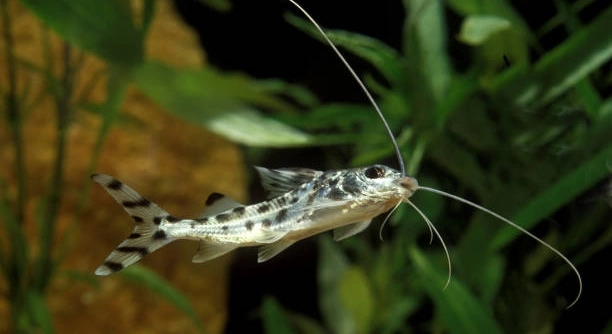
Is your Pictus Catfish suddenly turning away from food? This behavior can be worrying for fish owners who want their pets healthy and happy. Understanding why they avoid eating can help you care for them better.
Pictus Catfish may avoid food due to stress, poor water conditions, illness, or changes in their environment. These factors can affect their appetite and overall well-being, making it important to identify and address the root cause promptly.
Knowing what affects your catfish’s eating habits can improve their care and health. Exploring these reasons will help you create a better environment for your aquatic friend.
Common Causes of Food Avoidance in Pictus Catfish
Pictus Catfish can stop eating for several reasons, and understanding these can help improve their health. One major cause is water quality. Poor water conditions, such as high ammonia or nitrite levels, can stress the fish and reduce appetite. Sudden changes in water temperature or pH can also make them uneasy. Another common issue is stress from overcrowding or aggressive tank mates. When they feel threatened, catfish often hide and refuse food. Illness or parasites might be another factor. If your catfish is sick, it may lack energy or feel discomfort, leading to less interest in eating. Lastly, a change in diet or unfamiliar food can cause refusal. These fish prefer sinking pellets or live foods like bloodworms and may reject something new. Checking each of these elements regularly helps keep your catfish comfortable and willing to eat.
Water quality is often the easiest factor to overlook but has a major impact on appetite and health.
A clean, stable tank with appropriate water parameters makes your Pictus Catfish more likely to eat regularly and thrive.
How to Encourage Your Pictus Catfish to Eat
Start by testing and maintaining the water conditions. Regular water changes and monitoring parameters can reduce stress. Make sure the tank is not overcrowded, and provide hiding spots like plants or caves. These help the catfish feel safe and more relaxed. Offer familiar foods first, such as sinking pellets, bloodworms, or brine shrimp, before trying anything new. Feeding small amounts several times a day instead of one large feeding can also encourage eating. If illness is suspected, observe other symptoms like lethargy or spots, and consult a vet or fish expert. Keeping a consistent routine and environment is key to helping your catfish regain interest in food. Attention to these details will improve their appetite and overall well-being.
Signs Your Pictus Catfish Is Unwell
Loss of appetite is often one of the first signs your Pictus Catfish may be sick. Other symptoms include unusual swimming patterns, hiding more than usual, or visible physical changes like spots or discoloration. Observing these signs early can help prevent serious health issues.
Illness in Pictus Catfish can be caused by bacterial, fungal, or parasitic infections. These can develop due to poor water quality or stress. If your fish shows lethargy, clamped fins, or rapid breathing, it’s important to act quickly. Quarantining the fish and checking water parameters should be your first steps. Treatment depends on the type of illness but often involves medicated food or water treatments.
Monitoring your catfish regularly is key. Sometimes, minor changes can signal bigger problems. Taking quick action improves the chance of a full recovery. Don’t delay if you see signs beyond just not eating.
Environmental Factors Affecting Feeding Behavior
Pictus Catfish are sensitive to their environment. Too much light or noise around the tank can make them nervous and less likely to eat. Sudden movements or tapping on the glass may also frighten them. Creating a calm and quiet space near the tank helps them feel secure.
The size of the tank and its decorations also matter. A tank that is too small can cause stress and reduce feeding. Providing hiding spots with plants or caves mimics their natural habitat and encourages normal behavior. Keeping consistent water temperature and flow ensures they stay comfortable. Small details like these add up and influence how your catfish reacts to feeding time. Paying attention to the environment can make a big difference in their appetite and overall health.
Feeding Tips for Pictus Catfish
Offering a varied diet can keep your Pictus Catfish interested in food. Mixing sinking pellets with occasional live or frozen treats works well. Avoid overfeeding to prevent water quality issues.
Feeding at the same times daily helps create a routine. Small, frequent meals are easier for your catfish to eat and digest.
Common Mistakes to Avoid
Overcrowding the tank and sudden changes in water can cause stress and reduce appetite. Avoid using unfamiliar foods without gradual introduction, as Pictus Catfish may reject them at first.
When to Seek Help
If your catfish refuses food for more than a week or shows other signs of illness, professional advice is recommended. Early diagnosis can prevent serious health problems.
Final Thoughts on Feeding Behavior
Patience and observation are important when dealing with feeding issues. Consistency in care will help your catfish regain a healthy appetite.
FAQ
Why is my Pictus Catfish not eating but swimming normally?
Sometimes, a Pictus Catfish may swim around but refuse food due to mild stress or recent changes in the tank. This can happen after water changes, new decorations, or the addition of other fish. The fish might be adjusting to its environment and could start eating again once it feels secure.
How long can a Pictus Catfish go without eating?
Pictus Catfish can survive for about one to two weeks without food, depending on their health and tank conditions. However, going without food for too long weakens their immune system and makes them vulnerable to disease. If your catfish hasn’t eaten for more than three days, it’s important to check water quality and health immediately.
Can poor water quality cause loss of appetite?
Yes, poor water quality is one of the main reasons Pictus Catfish avoid food. High ammonia, nitrites, or nitrates irritate their gills and stress them. Maintaining clean water through regular changes and monitoring keeps your catfish comfortable and encourages normal feeding behavior.
What foods are best to feed Pictus Catfish?
Sinking pellets designed for bottom feeders are ideal. You can also offer live or frozen foods such as bloodworms, brine shrimp, or daphnia. These foods mimic their natural diet and are highly nutritious. Avoid overfeeding and remove uneaten food to keep the tank clean.
How often should I feed my Pictus Catfish?
Feeding small amounts two to three times a day works best. Pictus Catfish prefer several small meals rather than one large feeding. This helps prevent overfeeding and reduces waste in the tank, keeping water conditions stable.
Can tank mates affect my catfish’s eating habits?
Yes, aggressive or overly active tank mates can stress your Pictus Catfish and make them hide or refuse food. Choose peaceful species that share similar water requirements. Provide hiding places to help your catfish feel safe during feeding time.
Is temperature important for their appetite?
Definitely. Pictus Catfish prefer temperatures between 72°F and 79°F (22°C–26°C). Temperatures outside this range can reduce their metabolism and appetite. Using a reliable heater and thermometer helps keep the tank temperature steady.
What should I do if my catfish refuses food after introducing new tank mates?
Give your catfish time to adjust to the new environment. Monitor their behavior closely and ensure they have plenty of hiding spots. If the refusal continues beyond a week, test water quality and consider if stress or aggression is affecting them.
How can I tell if my catfish is sick?
Signs of illness include loss of appetite, lethargy, abnormal swimming, visible spots or lesions, and clamped fins. Rapid breathing or gasping at the surface can also indicate health problems. Early detection and treatment are essential to prevent worsening conditions.
Should I try feeding different types of food if my catfish won’t eat?
Yes, sometimes changing food helps. Offer a mix of sinking pellets and live or frozen foods to find what your catfish prefers. Introduce new foods slowly to avoid shocking their system. Be patient; some catfish take time to accept new diets.
Can stress cause my catfish to stop eating?
Stress is a common reason for loss of appetite. Causes include poor water quality, loud noises, sudden movements, or aggressive tank mates. Reducing stress through better tank conditions and a calm environment encourages your catfish to eat normally again.
Is it normal for Pictus Catfish to skip meals?
Occasionally skipping a meal is normal, especially if the fish is stressed or adjusting to a new environment. However, prolonged refusal to eat should be addressed to avoid health risks. Keep an eye on their behavior and water conditions.
How important is tank size for feeding behavior?
Tank size matters. A small or overcrowded tank increases stress, making catfish less likely to eat. Pictus Catfish need at least 30 gallons with enough space to swim and hide. Providing proper space helps maintain their appetite and health.
Can water changes help improve feeding?
Regular water changes improve water quality, which directly impacts appetite. Fresh, clean water reduces stress and removes harmful toxins. Changing 20-30% of the water weekly is recommended to keep your Pictus Catfish comfortable and eating well.
What if my catfish only eats at night?
Pictus Catfish are nocturnal and may prefer feeding during low light or nighttime. Offering food after lights go off can increase feeding success. Observe their behavior and adjust feeding times to suit their natural habits.
When should I consult a vet or fish specialist?
If your catfish refuses food for more than a week and shows signs of illness, it’s time to seek professional advice. Early diagnosis and treatment improve recovery chances and prevent serious health issues. Don’t wait too long if symptoms worsen.
When a Pictus Catfish stops eating, it can be concerning, but there are many reasons why this happens. Often, the cause is related to their environment or health. Stress from poor water quality, changes in tank conditions, or aggressive tank mates can make them lose interest in food. Illness or parasites may also play a part. Taking time to observe your fish carefully and checking water parameters regularly is important. This helps catch any problems early before they become serious. Keeping the tank clean and stable is one of the best ways to support your catfish’s health and encourage a normal appetite.
Feeding your Pictus Catfish properly means offering a balanced diet that matches their natural preferences. They tend to like sinking pellets along with occasional live or frozen treats such as bloodworms or brine shrimp. Avoid overfeeding, as leftover food can pollute the tank and cause water quality issues. Feeding small amounts multiple times a day works better than one large meal. Also, providing hiding spots and a calm tank environment helps reduce stress. When the fish feel safe and comfortable, they are more likely to eat well and stay healthy.
Patience is key when dealing with feeding problems. Sometimes your catfish will refuse food for a short time due to changes or mild stress, but they often return to eating once conditions improve. If your fish goes without food for more than a few days or shows signs of illness, it’s best to take action quickly. Testing water, adjusting care routines, and seeking professional help if needed can make a big difference. Paying attention to your Pictus Catfish’s behavior and needs will help keep them happy and thriving in your aquarium over time.

Hello,
If you enjoy the content that we create, please consider saying a "Thank You!" by leaving a tip.
Every little bit helps us continue crafting quality advice that supports the health, happiness, and well-being of pets around the world, for pets of all shapes, sizes, and species.
We really appreciate the kindness and support that you show us!