
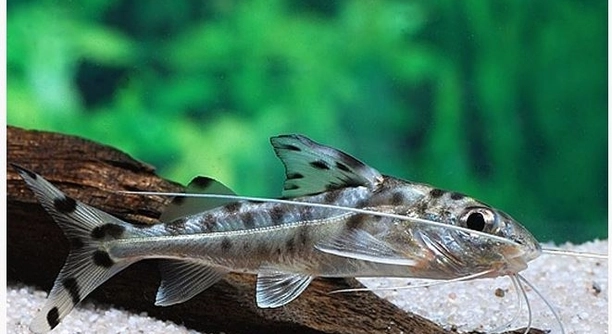
Pictus catfish are popular aquarium fish known for their active and peaceful nature. Many hobbyists want to create a comfortable environment for them to thrive. Proper tank setup is key to keeping these fish healthy and happy.
Using air stones with pictus catfish is generally safe and can improve water oxygenation. Air stones create bubbles that increase surface agitation, which helps maintain oxygen levels important for the catfish’s well-being. Care should be taken to avoid strong currents.
Understanding how air stones affect your pictus catfish can help you provide better care. This article will guide you through the benefits and considerations of using air stones with these lively fish.
Benefits of Using Air Stones for Pictus Catfish
Air stones help improve water circulation and oxygen levels in the aquarium. Pictus catfish are active swimmers and need well-oxygenated water to stay healthy. When air stones create bubbles, they increase surface movement, allowing more oxygen to dissolve into the water. This can reduce stress and promote better breathing for your fish. Additionally, better circulation helps prevent stagnant spots where waste could accumulate, keeping the tank cleaner overall. It also supports beneficial bacteria that break down harmful toxins, improving water quality. Many aquarists find that adding an air stone helps maintain stable conditions, especially in tanks without strong filtration or natural water flow. However, air stones should be placed carefully to avoid creating currents too strong for pictus catfish, as these fish prefer moderate water movement. Adjusting the air pump’s strength and position can make a big difference. Using an air stone is a simple and effective way to boost your tank’s environment.
Air stones also add a calming visual effect with their gentle bubbles. This can make the aquarium more pleasant to watch while supporting your fish’s needs.
Keeping the air stone properly maintained is important. Regular cleaning prevents buildup that could reduce airflow or introduce impurities into the water, helping your pictus catfish enjoy the best possible living conditions.
Possible Drawbacks and Considerations
While air stones offer benefits, they may cause strong currents if not managed well. Pictus catfish prefer moderate water flow and can become stressed by excessive movement.
Strong currents can tire out your pictus catfish and interfere with their natural behavior. These fish like to rest and hide in calmer areas, so too much water movement might make them uncomfortable. If the air stone is too powerful or placed too close to resting spots, it may discourage your fish from using those areas. It’s important to monitor your tank after installing an air stone to ensure the current isn’t too strong. Adjusting the air pump or repositioning the air stone can help reduce this issue. Also, some air stones produce noise or vibrations that could disturb sensitive fish. Choosing a quiet air pump and quality air stone helps minimize this. Balancing the benefits of increased oxygen with your pictus catfish’s comfort will lead to a healthier and more peaceful tank environment.
Placement of Air Stones in the Tank
The position of the air stone affects how bubbles and currents form. Placement should avoid strong flow near resting or hiding spots for pictus catfish.
Positioning the air stone toward one side or near the filter outlet helps create gentle circulation without overwhelming the fish. Placing it too close to plants or decorations may cause unwanted turbulence. It’s best to experiment with different spots to find a balance that oxygenates the water well but keeps calm areas. Using a tube or diffuser to redirect bubbles can also help control flow direction.
Air stones placed near the bottom allow bubbles to rise slowly, improving oxygen exchange throughout the tank. Keep the air stone away from fragile decorations that could be damaged by constant bubbling or water movement.
Maintenance Tips for Air Stones
Air stones need regular cleaning to stay effective. Mineral deposits and algae can block airflow, reducing bubble production and oxygen levels.
To clean, soak the air stone in a vinegar solution for about 15 minutes, then rinse it thoroughly with water. Avoid using soap or chemicals that could harm your fish. If the air stone is too clogged or old, replacement is better than over-cleaning. Checking the air tubing and pump regularly also ensures steady airflow. Keeping the equipment in good condition supports stable oxygen levels and keeps pictus catfish comfortable. Proper maintenance prevents noisy operation and reduces stress for your fish. Clean, well-functioning air stones improve overall tank health and contribute to a more balanced aquatic environment.
Choosing the Right Air Stone
Air stones come in different sizes and shapes. Choosing the right one depends on your tank size and desired bubble effect.
Smaller tanks benefit from compact air stones that produce gentle bubbles. Larger tanks may need bigger stones or multiple units to ensure good oxygen flow without strong currents.
Impact on Pictus Catfish Behavior
Air stones can influence how pictus catfish move and interact in the tank. They often enjoy swimming near gentle bubbles but avoid strong currents that tire them out. Proper air stone use encourages natural activity without stress or fatigue.
Alternative Oxygenation Methods
Besides air stones, filters and live plants also help oxygenate aquarium water. Combining these methods creates a balanced environment for pictus catfish, supporting their health and comfort.
Signs of Stress from Air Stones
If your pictus catfish hide excessively or swim erratically, it could indicate stress from strong water flow or noise caused by the air stone.
FAQ
Can air stones harm pictus catfish?
Air stones themselves do not harm pictus catfish if used properly. The main concern is the water flow created by the bubbles. If the current is too strong, it can tire the fish and cause stress. Placing the air stone in a location where the flow is gentle or using an adjustable air pump helps avoid this issue. Also, noisy air pumps or vibrating equipment connected to the air stone can disturb sensitive fish, so choosing quiet, quality gear is important.
How often should I clean the air stone?
Cleaning air stones every two to four weeks is usually enough to keep them working well. Over time, minerals and algae can clog the pores, reducing airflow. Soaking the air stone in a vinegar solution and rinsing it well removes buildup. If the stone becomes too clogged or damaged, replacing it is better than trying to fix it. Regular cleaning prevents poor oxygen levels and keeps your pictus catfish comfortable.
Is an air stone necessary for a pictus catfish tank?
An air stone is not absolutely necessary if the tank has good filtration and water circulation. However, it can improve oxygen levels and water movement, which benefits the fish. In smaller tanks or setups with limited flow, air stones help maintain healthy conditions. They also help prevent dead zones where waste accumulates. Adding an air stone can be a simple way to boost the tank’s environment, especially in warmer or heavily stocked aquariums.
Can too many air stones cause problems?
Using too many air stones may create excessive water movement, which is stressful for pictus catfish. Strong currents make it hard for them to rest and swim comfortably. If multiple air stones are used, make sure they don’t combine to produce strong flow in one area. Positioning them thoughtfully and adjusting the air pumps can help balance oxygenation and calm water. Quality over quantity is key to maintaining a comfortable habitat.
Do air stones affect aquarium plants?
Air stones can benefit live plants by increasing oxygen levels and improving water circulation. This helps roots breathe and reduces buildup of harmful gases around the substrate. However, strong bubbles or currents near delicate plants may cause physical damage or uproot them. Placing air stones away from fragile plants or using diffusers to soften the bubbles protects both plants and fish. Overall, air stones support a healthy planted tank if used carefully.
What size air stone should I use?
Choose an air stone size based on your tank volume. Small tanks (under 20 gallons) do well with small or medium air stones that produce gentle bubbles. Larger tanks require bigger stones or multiple units to oxygenate the water adequately. The goal is to provide enough bubbles to improve gas exchange without creating strong currents. It’s better to start with a smaller air stone and increase size if needed, adjusting air flow for comfort.
How do I reduce noise from an air stone?
Noise usually comes from the air pump or vibrations traveling through tubing. Using a quiet air pump designed for aquariums reduces noise significantly. Adding a silicone tubing sleeve or placing the pump on a soft surface helps absorb vibrations. Avoid tight bends or long tubing that can restrict airflow and cause bubbling sounds. Proper placement and maintenance of equipment keep the air stone running quietly, which is less stressful for pictus catfish.
Can air stones help with ammonia or nitrate levels?
Air stones themselves do not directly reduce ammonia or nitrate. However, by improving oxygen levels and water movement, they support beneficial bacteria that break down waste products. Better circulation prevents buildup of harmful toxins by distributing oxygen evenly and helping filtration work efficiently. While not a treatment on their own, air stones play a helpful role in maintaining a healthy nitrogen cycle in your tank.
Should I turn off the air stone at night?
It is generally not necessary to turn off the air stone at night. Continuous oxygenation helps keep the water quality stable and supports fish breathing during all hours. Some fish prefer calmer water when resting, so if the air stone causes strong currents, adjusting flow rather than turning it off is a better option. Maintaining consistent conditions reduces stress and supports the overall health of pictus catfish.
Can I use an air stone with other fish besides pictus catfish?
Yes, air stones are beneficial for many freshwater fish species by improving oxygen levels and water circulation. Some fish that prefer calm water may need careful placement of the air stone to avoid strong currents. Always consider the specific needs of your aquarium’s inhabitants when using air stones. They can enhance tank conditions and help keep fish healthy when used properly.
Using air stones with pictus catfish can be a helpful way to improve the tank environment. Air stones increase oxygen levels by creating bubbles that move through the water. This helps the fish breathe better and supports beneficial bacteria that keep the water clean. Many aquarists find that air stones make their tanks healthier and more stable. However, it is important to place the air stone carefully to avoid creating strong currents. Pictus catfish prefer calm to moderate water flow, so too much movement can stress them out. Adjusting the air pump or moving the air stone to a less active area of the tank can solve this problem easily.
Maintenance is also an important part of using air stones. Over time, minerals and algae can block the tiny holes in the stone, reducing airflow. Cleaning the air stone regularly with a mild vinegar solution will keep it working well. If the stone is too clogged or worn out, replacing it is better than trying to fix it. Regular upkeep ensures that the air stone provides steady oxygen flow without disturbing the fish. Along with a good filter and proper tank care, an air stone can contribute to a balanced, healthy aquarium for your pictus catfish.
In the end, the choice to use an air stone depends on your tank setup and the needs of your fish. They are not always necessary but can offer benefits in many cases. When used correctly, air stones improve oxygenation and water circulation without harming the fish. Paying attention to the strength of the bubbles and the location of the air stone will keep your pictus catfish comfortable. With proper use and care, air stones are a simple tool to support a thriving aquarium environment for these lively and interesting fish.

Hello,
If you enjoy the content that we create, please consider saying a "Thank You!" by leaving a tip.
Every little bit helps us continue crafting quality advice that supports the health, happiness, and well-being of pets around the world, for pets of all shapes, sizes, and species.
We really appreciate the kindness and support that you show us!