
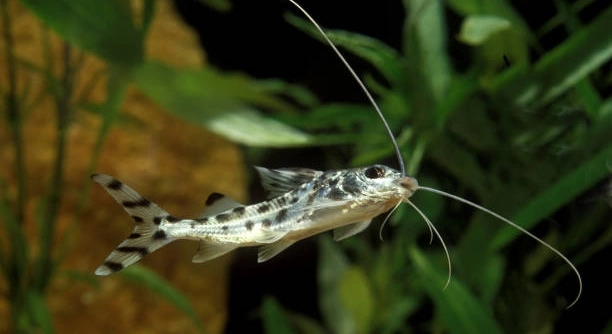
Pictus catfish are popular freshwater fish known for their peaceful nature and unique appearance. Many aquarists enjoy keeping them in home aquariums, but understanding their well-being can sometimes be challenging. Observing certain visual signs helps indicate when these fish are healthy and thriving.
Healthy pictus show clear, vibrant patterns on their bodies, active swimming behavior, and intact fins without damage. Their eyes appear bright, and they maintain good body condition without signs of disease or stress, which are all key indicators of thriving fish.
Recognizing these cues can improve your care routine and ensure your pictus remain healthy in their aquatic environment. This article outlines seven important signs to watch for in your fish.
Clear and Vibrant Body Patterns
Healthy pictus catfish display distinct body patterns with sharp, contrasting spots or stripes. These markings are usually bright and clear, without fading or irregular patches. When a pictus is stressed or sick, its colors may dull, and patterns can become less defined. Regular observation of these visual traits helps identify the fish’s condition early. Good water quality and proper diet contribute to maintaining these vibrant patterns. Changes in lighting or tank conditions might also affect their appearance temporarily, but persistent dullness is a concern. Keep the aquarium clean and monitor any shifts in pattern brightness to ensure your pictus remains healthy and visually striking. Noticing clear body patterns is a simple yet effective way to gauge the fish’s overall well-being and adjust care accordingly.
Clear and vibrant patterns show a fish is in good health and comfortable in its environment. This visual sign is one of the easiest to check regularly.
Consistently bright markings signal that the fish is free from common stressors such as poor water quality, disease, or improper nutrition. These patterns reflect both genetic traits and environmental conditions. A fish with strong, vivid patterns typically experiences minimal stress and enjoys a balanced habitat. Monitoring these patterns is especially useful when introducing new fish or after changes in tank setup. If patterns fade, it may require checking water parameters, diet, or possible illness. Understanding how patterns relate to health offers a straightforward approach to maintaining a thriving pictus population.
Active and Smooth Swimming Behavior
Active swimming is a key indicator of a healthy pictus catfish. Lively movement and smooth, coordinated swimming show that the fish is energetic and free from physical discomfort.
A thriving pictus moves confidently around the tank, exploring different areas without hesitation. Its swimming is steady, with no signs of erratic or labored motion. Sluggishness or floating near the surface can indicate problems.
When pictus swim actively, they are engaging in natural behavior such as foraging and interacting with their environment. This activity level reflects good oxygen levels, proper nutrition, and overall comfort. Observing how your fish swim daily helps catch early warning signs of illness or stress. If swimming patterns change, it is important to review water conditions and feeding habits. Active swimming not only signals good health but also enhances the fish’s quality of life. Maintaining appropriate tank conditions encourages this natural behavior consistently.
Bright and Clear Eyes
Bright, clear eyes are a reliable sign of a healthy pictus. Cloudy or sunken eyes may indicate illness or poor water conditions.
Healthy pictus have eyes that reflect light well and remain clear, without any cloudiness or discoloration. Changes in eye appearance often signal infection or stress. Poor water quality, including high ammonia or nitrite levels, can cause eye problems. Ensuring regular water testing and clean tank maintenance helps prevent these issues. If you notice any cloudiness, consider checking water parameters immediately and adjusting care routines. Maintaining clear eyes means your pictus can navigate its environment well and avoid injury.
Clear eyes also suggest the fish is not suffering from common bacterial or fungal infections that affect vision. Prompt attention to eye health supports the fish’s overall survival and comfort.
Intact and Undamaged Fins
Intact fins without tears or fraying are important for pictus health. Damaged fins reduce swimming efficiency and can lead to infections.
Fins in good condition reflect proper tank care and low stress levels. Ragged or clamped fins often result from fin rot, aggression, or poor water quality. Keeping the aquarium clean and stable minimizes fin damage. Feeding a balanced diet strengthens fin tissue and supports regeneration. Observing fins regularly helps identify early signs of damage or disease. If damaged fins are spotted, improving water conditions and possibly using treatments can aid recovery. Healthy fins enable smooth swimming and natural behavior, crucial for pictus well-being.
Damage to fins may also indicate bullying from tank mates or rough tank environments. Adjusting fish combinations or removing sharp decorations can prevent further harm.
Healthy Appetite
A healthy pictus shows a consistent interest in food during feeding times. Loss of appetite can signal stress or illness.
Regular eating habits reflect good health and proper tank conditions. If your pictus eagerly accepts food daily, it is a positive sign of well-being.
Smooth Breathing
Smooth, regular gill movement indicates that the pictus is breathing comfortably and not under stress. Rapid or labored breathing may point to poor water quality or disease.
Maintaining clean water with adequate oxygen levels supports healthy respiration. Watch for any changes in breathing patterns to catch potential issues early.
Bright and Responsive Behavior
Pictus that respond quickly to environmental changes, such as movement outside the tank, are typically healthy and alert. This responsiveness reflects good sensory function and mental engagement.
Regular interaction with their environment shows that the fish is not lethargic or stressed. Stimulating surroundings and proper care encourage this behavior.
Consistent Body Shape
A consistent body shape without bloating or sunken areas suggests the pictus is healthy. Sudden changes in body form may indicate health problems or parasites.
FAQ
How often should I check my pictus for visual signs of health?
It is best to observe your pictus daily, even if just briefly. Regular checks help catch early signs of stress, disease, or injury before problems worsen. Consistent monitoring of color, behavior, eyes, and fins keeps you informed about their well-being and tank conditions.
What are the most common causes of dull body patterns in pictus?
Dull patterns often result from poor water quality, inadequate nutrition, or stress. Changes in tank temperature or lighting may also affect color temporarily. Ensuring stable water parameters, feeding a balanced diet, and minimizing disturbances can help maintain vibrant markings.
Why do pictus sometimes have damaged fins, and how can I prevent it?
Fin damage can come from aggressive tank mates, sharp decorations, or infections such as fin rot. Prevention involves selecting compatible fish, providing a safe environment, and maintaining clean water. If damage occurs, improving conditions and possibly treating the tank will support fin healing.
Is slow or labored breathing always a sign of illness?
Not always, but it often indicates poor water oxygen levels or health problems like gill infections. Check water quality first, especially oxygen and ammonia levels. If water parameters are good, observe for other symptoms and consider consulting a specialist if breathing issues persist.
How important is a healthy appetite in assessing pictus health?
Appetite is a strong indicator of well-being. Loss of interest in food can signal stress, illness, or poor tank conditions. Consistent feeding response usually means the fish is comfortable and healthy. Sudden changes in eating habits should prompt further observation and water testing.
Can eye cloudiness be reversed if caught early?
In many cases, yes. Early detection and treatment of underlying causes like infections or water quality problems improve eye health. Prompt action with water changes and medications can prevent permanent damage. Always act quickly if you notice any cloudiness.
What does it mean if my pictus is less active than usual?
Reduced activity may indicate stress, illness, or unsuitable tank conditions. Changes in temperature, water chemistry, or tank mates can affect energy levels. Monitor environmental factors closely and test water parameters. If inactivity persists, consider health issues and seek advice if needed.
How do I know if my pictus is stressed?
Signs of stress include faded colors, clamped fins, erratic swimming, hiding, and loss of appetite. Stress often comes from poor water quality, overcrowding, or aggressive tank mates. Addressing these factors quickly helps reduce stress and promote recovery.
Are pictus sensitive to changes in their environment?
Yes, pictus are sensitive to sudden changes in temperature, water chemistry, and lighting. These can cause stress and health problems. Introducing gradual changes and maintaining stable tank conditions minimizes negative effects.
What can I do to keep my pictus thriving long-term?
Regular water changes, stable water parameters, a balanced diet, and a peaceful tank environment are key. Observe your fish often for any signs of distress. Providing hiding spots and proper tank mates also supports their comfort and health.
Final Thoughts
Caring for pictus catfish requires attention to both their environment and their physical condition. Observing visual cues such as clear body patterns, bright eyes, and intact fins helps ensure they are thriving. These signs are important because they reflect the fish’s health and comfort in their aquarium. By paying close attention to these details, you can catch potential problems early and make adjustments to their care routine before issues become serious.
Maintaining good water quality is essential for pictus well-being. Regular testing and cleaning keep harmful substances like ammonia and nitrites at safe levels. A stable environment with the right temperature, clean water, and enough oxygen supports healthy behavior and appearance. Feeding a balanced diet also plays a crucial role. Nutritious food helps the fish maintain energy, vibrant colors, and strong fins. Combining proper nutrition with a peaceful tank setup creates conditions where pictus can live long, healthy lives.
Visual cues give valuable information without needing complicated equipment. Watching how your pictus swim, eat, and look each day builds a better understanding of their needs. This simple habit encourages responsible care and helps create a positive environment for the fish. Taking the time to notice these signs makes a difference in their overall happiness and health. Ultimately, a well-cared-for pictus is a rewarding part of any aquarium, offering beauty and peacefulness to your space.

Hello,
If you enjoy the content that we create, please consider saying a "Thank You!" by leaving a tip.
Every little bit helps us continue crafting quality advice that supports the health, happiness, and well-being of pets around the world, for pets of all shapes, sizes, and species.
We really appreciate the kindness and support that you show us!