
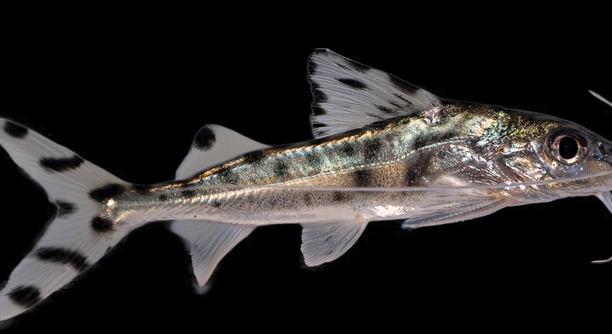
Are your Pictus catfish showing signs of stress after water changes? Many fish owners notice changes in behavior when adjusting their aquarium’s environment. Understanding how sensitive these fish are to water fluctuations can help maintain a healthier tank.
Pictus catfish are moderately sensitive to water changes. Sudden or large fluctuations in water parameters such as temperature, pH, and hardness can cause stress. Gradual and consistent water changes are essential to minimize negative impacts and promote their well-being.
Knowing how to manage water changes carefully will help keep your Pictus catfish calm and thriving. This article explains the best practices to support their health in your aquarium.
Understanding Pictus Catfish Sensitivity to Water Changes
Pictus catfish are known for their active swimming and social behavior, but they can be sensitive to sudden changes in their environment. These fish thrive in stable conditions with consistent water parameters. When water changes are abrupt or large in volume, it can shock their system, leading to stress or illness. It is important to monitor temperature, pH, and water hardness during changes, as these factors affect their comfort and health. Gentle adjustments help the catfish acclimate smoothly without causing distress. Many owners find that performing smaller, more frequent water changes rather than infrequent large ones reduces stress for Pictus catfish. Keeping the tank clean and avoiding chemical contaminants also plays a vital role in maintaining good water quality. Understanding how these fish react to environmental changes will help you provide a safe and comfortable habitat.
Regular water testing is important to avoid sudden shifts in water conditions.
Keeping water parameters steady benefits the overall health and behavior of your Pictus catfish. Proper water change routines ensure they remain active and stress-free.
How to Perform Water Changes Safely for Pictus Catfish
Performing water changes with care can prevent unnecessary stress. Avoid changing more than 20-25% of the tank’s water at once, and match the new water’s temperature and pH closely to the tank’s current conditions. This reduces the shock caused by sudden environmental shifts. Using a water conditioner to remove chlorine and chloramine is essential. Slowly adding new water over time instead of pouring it quickly can help the fish adjust more comfortably.
For water preparation, test the source water for key parameters before adding it to the tank. Use a thermometer and pH test kit to ensure the new water matches the tank’s environment. This extra step reduces stress and keeps your Pictus catfish safe. Maintaining a regular schedule for water changes also helps the fish adapt to the process and improves tank stability. By following these steps, you support the health and longevity of your catfish, keeping them lively and comfortable.
Signs of Stress in Pictus Catfish After Water Changes
Stress in Pictus catfish can show through changes in behavior or appearance. They may become less active, hide more, or lose their appetite. Watching for these signs helps you respond quickly to their needs.
When stressed, Pictus catfish may also display erratic swimming or cling to surfaces. Their usual vibrant colors might dull, indicating discomfort. Stress weakens their immune system, increasing the risk of disease. Early detection is important to prevent further health issues. Observing your catfish closely after water changes helps identify problems before they worsen.
If you notice stress signs, check water parameters immediately. Ensure temperature, pH, and ammonia levels are stable. Adjust your water change routine to be gentler and more gradual. Sometimes adding aquarium salt or stress relief products, following proper guidance, can help calm your fish. Providing hiding spots with plants or decorations also reduces anxiety and promotes recovery.
Best Practices for Gradual Water Changes
Slow and consistent water changes reduce shock to Pictus catfish. Changing about 10-20% of the water weekly is ideal for maintaining stability. Larger, less frequent changes can cause harmful fluctuations. Using a siphon or gravel vacuum helps remove debris without disturbing the fish too much.
Before adding new water, make sure its temperature and chemical balance closely match the tank water. Sudden shifts in temperature or pH can stress your catfish. Using a water conditioner is crucial to remove chlorine and chloramine from tap water. Adding new water slowly over several minutes allows your fish to acclimate more easily.
Routine testing of water quality supports gradual changes. Keep track of ammonia, nitrite, nitrate, and pH levels to avoid surprises. Consistency in your maintenance schedule promotes a healthy environment where your Pictus catfish can thrive and stay active.
Adjusting Water Parameters Slowly
Sudden changes in water temperature or pH can shock Pictus catfish. Gradual adjustments give their bodies time to adapt. Avoid drastic shifts to keep them calm and healthy.
If you need to change parameters, do it over several hours or days. This reduces stress and helps maintain a stable environment in the tank.
Monitoring Water Quality Consistently
Regular testing is essential to catch problems early. Checking pH, ammonia, nitrites, and nitrates keeps the water safe for Pictus catfish. Maintaining good water quality prevents stress and illness.
Avoiding Overcleaning the Tank
Cleaning the tank too thoroughly removes beneficial bacteria. These bacteria help break down waste and keep water stable. Avoid deep cleanings that disturb the tank’s natural balance.
Providing Hiding Spaces
Pictus catfish feel safer with places to hide. Plants, rocks, and decorations offer shelter. This helps reduce stress during water changes or other disruptions.
How often should I change the water for Pictus catfish?
Water changes should be done regularly to maintain a stable environment. Typically, changing 10-20% of the water once a week works well. This routine helps keep the water clean without causing sudden shifts in water quality, which can stress your catfish. Smaller, frequent changes are better than infrequent large ones.
What water temperature is best for Pictus catfish?
Pictus catfish prefer temperatures between 75°F and 82°F (24°C to 28°C). Keeping the water temperature steady within this range helps prevent stress. Avoid rapid temperature changes, especially during water changes, by matching the new water’s temperature closely to the tank’s.
Can Pictus catfish tolerate changes in pH?
These catfish do best in a pH range of 6.5 to 7.5. Sudden or large shifts outside this range can cause discomfort or illness. Slowly adjusting pH over time is safer if changes are necessary. Regular testing helps keep pH stable.
What signs show that water changes are stressing my Pictus catfish?
Signs include reduced activity, hiding more than usual, loss of appetite, and dull coloration. Erratic swimming or gasping near the surface can also indicate stress. Watching for these signs after water changes lets you act quickly to improve conditions.
How can I prepare new water for changes?
Test the new water’s temperature, pH, and hardness to match the tank’s conditions. Use a water conditioner to remove chlorine and chloramine from tap water. Adding the water slowly helps your catfish adjust without shock.
Is it harmful to change too much water at once?
Yes, changing more than 25-30% of the tank water at once can cause sudden changes in water chemistry. This stresses your catfish and may weaken their immune system. Gradual changes keep the environment stable and safer for your fish.
Should I turn off filters during water changes?
No, keep filters running during water changes. Filters maintain water movement and biological filtration, which are crucial for tank stability. Turning filters off can cause water quality issues and stress your catfish.
Can water hardness affect Pictus catfish?
Yes, they prefer moderately soft to slightly hard water. Hard water with high mineral content can cause discomfort. Testing water hardness and adjusting slowly when needed will support their health.
How do I reduce stress during water changes?
Perform water changes slowly and consistently. Match new water parameters carefully. Provide hiding places so your catfish feel secure. Avoid loud noises or sudden movements around the tank during maintenance.
Is it okay to use tap water for Pictus catfish?
Tap water can be used if properly treated with a water conditioner to remove harmful chemicals. Testing the water first is important to ensure it falls within the safe temperature, pH, and hardness range for Pictus catfish.
What should I do if my Pictus catfish shows signs of stress?
Check water parameters immediately and adjust if needed. Perform smaller, more frequent water changes. Make sure the tank environment is stable and provide hiding spots. If stress continues, consider consulting a specialist.
Can temperature fluctuations cause illness in Pictus catfish?
Yes, sudden drops or spikes in temperature can weaken their immune system, making them vulnerable to disease. Maintaining steady temperature helps prevent illness and keeps your catfish healthy.
How long should I wait between water changes?
Weekly water changes are usually sufficient. This timing maintains water quality without causing large fluctuations. In heavily stocked tanks, more frequent smaller changes might be needed to keep conditions stable.
Are Pictus catfish sensitive to chlorine?
Yes, chlorine is toxic to fish. Always use a water conditioner to neutralize chlorine and chloramine before adding water to the tank. This prevents harm and supports their well-being.
Can adding aquarium salt help reduce stress during water changes?
Aquarium salt in small amounts can sometimes help reduce stress, but it is not always necessary. Use salt carefully and according to guidelines, as excessive salt can harm freshwater fish like Pictus catfish.
What is the best way to acclimate new Pictus catfish to my tank?
Acclimate them slowly by floating the sealed bag in the tank for about 15-20 minutes. Then gradually add small amounts of tank water into the bag over the next hour. This helps them adjust to water parameters safely and reduces stress.
How important is tank size for reducing stress in Pictus catfish?
Adequate tank size, generally 30 gallons or larger, provides enough space for swimming and reduces stress. Overcrowded tanks increase waste and water quality problems, which can harm your catfish’s health.
Do Pictus catfish prefer dim lighting during water changes?
Yes, dim lighting helps them feel safe during potentially stressful times. Bright light can cause anxiety. Using subdued lighting or providing shaded areas allows them to relax.
Can sudden noise affect Pictus catfish during water changes?
Loud noises or vibrations can stress Pictus catfish. Minimizing noise and movement near the tank during maintenance helps keep them calm.
What is the impact of overfeeding on water quality and Pictus catfish health?
Overfeeding leads to leftover food breaking down and polluting water, which stresses fish and encourages harmful bacteria. Feed moderate amounts and remove uneaten food promptly to maintain water quality and fish health.
Maintaining a healthy environment for Pictus catfish requires attention to their sensitivity during water changes. These fish respond best to stable conditions, and sudden shifts in temperature, pH, or water chemistry can cause stress. By performing gradual and consistent water changes, you help reduce this stress and support their overall well-being. Small, regular water changes are preferable to large, infrequent ones because they keep water quality steady. Paying close attention to the water parameters before, during, and after changes ensures that your Pictus catfish remain comfortable and healthy.
It is important to test your water regularly to monitor factors like temperature, pH, ammonia, nitrites, and nitrates. This helps you catch any changes early and correct them before they affect your fish. Using a water conditioner to treat tap water is essential to remove harmful chemicals such as chlorine and chloramine. Preparing new water to match the tank’s conditions minimizes shock and helps your catfish adjust smoothly. Providing hiding places and minimizing noise or sudden movements during maintenance can further reduce stress and create a calm environment for your fish.
Overall, understanding the needs of your Pictus catfish during water changes plays a key role in their health and happiness. Being consistent with maintenance, avoiding sudden changes, and carefully preparing water help keep these fish active and vibrant. With patience and attention, you can create a stable aquarium where your Pictus catfish thrive. This approach benefits not only your fish but also your enjoyment as an aquarium keeper, allowing you to appreciate the natural behaviors and energy these fish bring to your tank.

Hello,
If you enjoy the content that we create, please consider saying a "Thank You!" by leaving a tip.
Every little bit helps us continue crafting quality advice that supports the health, happiness, and well-being of pets around the world, for pets of all shapes, sizes, and species.
We really appreciate the kindness and support that you show us!