
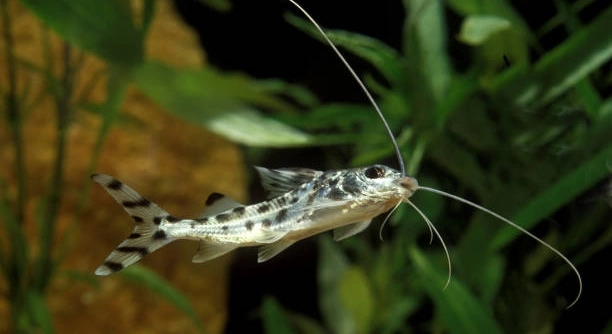
Tank cleaning is essential for keeping Pictus catfish healthy and comfortable in their environment. Many hobbyists face challenges that can lead to stress and poor water quality for their fish. Avoiding common mistakes helps maintain a balanced and safe habitat.
Seven common tank cleaning mistakes often cause stress in Pictus catfish. These include improper cleaning frequency, using harsh chemicals, disturbing the substrate too much, ignoring water parameter changes, inadequate filtration maintenance, poor water replacement practices, and sudden environmental changes. Avoiding these errors is crucial for the fish’s well-being.
Knowing these mistakes can help you create a more stable and stress-free tank for your Pictus catfish. Understanding the right cleaning practices ensures their long-term health and happiness in your care.
Cleaning Too Often or Not Enough
Overcleaning a Pictus catfish tank can remove beneficial bacteria that help keep the water balanced. This bacteria breaks down harmful waste products, so taking it away frequently stresses the fish and destabilizes the environment. On the other hand, not cleaning often enough allows waste to build up, leading to poor water quality. Finding the right cleaning schedule depends on tank size, number of fish, and filtration. Usually, partial water changes once a week are enough. Avoid deep cleaning the entire tank every time to keep beneficial bacteria intact. Also, cleaning filters regularly without removing all bacteria is key to maintaining good water conditions. Paying attention to how the fish react after cleaning can help adjust your routine and prevent stress.
Frequent or infrequent cleaning disrupts the tank’s balance. It is important to maintain a moderate cleaning schedule for a stable habitat and healthy fish.
A well-planned cleaning routine supports your Pictus catfish’s health. Balancing water changes and filter maintenance keeps the tank stable and less stressful. This approach prevents harmful buildup without removing helpful bacteria. The fish will remain comfortable and active in an environment that stays consistent.
Using Harsh Chemicals or Soap
Using strong chemicals or soap to clean the tank can be dangerous for Pictus catfish. Residues from these products may linger in the tank and poison the fish or disturb the water’s natural chemistry. It’s better to use plain water and special aquarium-safe cleaners when needed. Tools should be rinsed thoroughly to avoid contamination. Avoid cleaning the tank near soap or chemical sources to reduce risk. Many fish owners use vinegar or diluted bleach for tough algae, but these must be rinsed well and used sparingly. Always make sure no traces remain before adding fish back to the tank.
Harsh chemicals can harm your fish, so avoiding them during cleaning keeps your tank safer.
Many fishkeepers have experienced problems after using soaps or chemicals unknowingly. Even small amounts can upset water parameters, causing stress or illness in Pictus catfish. If strong cleaners are necessary, rinse everything carefully and allow the tank to sit with fresh water for some time before reintroducing fish. Using gentle methods protects your aquatic pets from harm and keeps the tank environment balanced. This care helps Pictus catfish thrive without unnecessary risk from cleaning agents.
Disturbing the Substrate Too Much
Stirring up the substrate during cleaning can release harmful toxins and debris into the water. This stresses Pictus catfish, which prefer calm environments.
When cleaning, avoid deep agitation of the tank’s bottom. The substrate holds beneficial bacteria and trapped waste, but disturbing it too much releases ammonia and other toxins, quickly degrading water quality. This sudden change causes stress and discomfort. Lightly vacuuming the surface instead of aggressively stirring helps keep water clearer and safer. Pictus catfish spend time near the bottom, so maintaining a stable substrate environment is important for their well-being.
Consistently disturbing the substrate also affects the tank’s balance. Maintaining a gentle cleaning approach preserves water quality and reduces fish stress. Pictus catfish respond better when their habitat feels stable and calm.
Ignoring Water Parameter Changes
Keeping track of water parameters like pH, ammonia, nitrite, and nitrate levels is essential. Sudden or extreme shifts cause stress and health problems for Pictus catfish.
Regular testing allows early detection of harmful changes. Ignoring these signs leads to a toxic environment. Even small imbalances affect fish behavior and immune function. Adjusting water conditions gradually prevents shock and promotes stability. Using proper water conditioners and maintaining a balanced diet also support fish health. Monitoring parameters after cleaning helps catch problems early and keeps the tank safe.
Proper care includes consistent monitoring. Addressing water changes quickly ensures your Pictus catfish live in a healthy, stress-free environment where they can thrive.
Inadequate Filtration Maintenance
Filters need regular care to function properly. Neglecting them reduces water quality and stresses Pictus catfish.
Clogged or dirty filters cannot remove waste effectively. This causes toxins to build up quickly, harming the fish and their environment.
Poor Water Replacement Practices
Changing too much water at once can shock your Pictus catfish. Large water replacements disrupt temperature and chemistry, causing stress. Instead, partial water changes of 20-30% are safer and maintain stability.
Sudden Environmental Changes
Pictus catfish are sensitive to rapid changes in light, temperature, or tank setup. Sudden shifts cause stress and may lead to illness. Gradual adjustments help fish adapt smoothly and stay healthy.
FAQ
How often should I clean my Pictus catfish tank?
Cleaning frequency depends on tank size, fish population, and filtration quality. A general rule is to perform partial water changes of about 20-30% every week. Full cleanings are rarely needed and can disrupt beneficial bacteria. Observing water clarity and fish behavior helps adjust the schedule.
What cleaning tools are safe for Pictus tanks?
Use soft sponges or brushes designed for aquariums. Avoid metal or harsh scrubbers that can damage glass or decorations. A gravel vacuum is helpful for gently cleaning substrate without disturbing it too much. Always rinse tools thoroughly with plain water before use.
Can I use tap water for water changes?
Tap water often contains chlorine or chloramine, which are harmful to fish. Always treat tap water with an aquarium water conditioner before adding it to the tank. Let the treated water sit for a while to reach room temperature and ensure safety.
Why should I avoid soap or detergents?
Soaps and detergents leave harmful residues that fish cannot tolerate. Even small amounts can cause illness or death. Stick to rinsing the tank with plain water or aquarium-safe cleaners made specifically for fish tanks.
How do I maintain filter health without removing all bacteria?
Rinse filter media gently in old tank water during water changes to clean off debris. Avoid using tap water, which can kill beneficial bacteria. Replace filter parts gradually and only when necessary to keep the biological filter intact.
What happens if I disturb the substrate too much?
Stirring up substrate releases trapped waste and toxins like ammonia into the water. This can cause sudden water quality drops and stress fish. Cleaning substrate lightly with a gravel vacuum prevents this while keeping the tank clean.
How do I check water parameters?
Use aquarium test kits to monitor pH, ammonia, nitrites, and nitrates regularly. Test kits are affordable and easy to use. Keeping these parameters within safe ranges is vital to prevent stress and illness in your Pictus catfish.
What is the best temperature for Pictus catfish tanks?
Pictus catfish prefer temperatures between 72°F and 78°F (22°C–26°C). Keep the temperature stable using an aquarium heater with a reliable thermostat. Avoid sudden temperature changes that can shock the fish.
How much water should I change at once?
Partial water changes of 20-30% are safest. Changing too much water disrupts the chemical balance and stresses the fish. Smaller, frequent changes maintain stability and keep the environment healthy.
Can Pictus catfish handle changes in tank lighting?
Sudden bright light or frequent changes in lighting can stress Pictus catfish. They prefer moderate, consistent lighting. Adjust lights gradually and provide hiding spots to help them feel secure.
What signs show that tank cleaning has stressed my fish?
Look for rapid breathing, hiding more than usual, loss of appetite, or erratic swimming. These signs often indicate stress from poor water quality or sudden environment changes. Respond quickly by checking water parameters and adjusting cleaning routines.
Is it okay to clean the entire tank at once?
Cleaning the entire tank at once can remove beneficial bacteria and cause harmful chemical shifts. It’s better to do partial cleanings and water changes regularly. This maintains a stable, healthy environment for your fish.
How important is tank size for cleaning frequency?
Smaller tanks tend to require more frequent cleaning because waste accumulates faster. Larger tanks with good filtration allow longer intervals between cleanings. Adjust your routine based on your specific tank setup and fish load.
Can I use bleach to clean my tank?
Bleach can be used carefully for deep cleaning but must be rinsed thoroughly and neutralized before returning fish. It’s safer to use it only on empty tanks or decorations removed from the aquarium. Avoid using bleach frequently.
How to avoid stressing Pictus catfish during cleaning?
Perform gentle water changes, clean filters carefully, and avoid disturbing the substrate too much. Keep water temperature and parameters stable. Move slowly and avoid sudden noises or movements around the tank.
What should I do if water parameters are off after cleaning?
If tests show high ammonia, nitrites, or unusual pH, perform a partial water change immediately. Check the filter for clogs and clean if needed. Use water conditioners to detoxify ammonia and nitrites. Retest frequently until levels return to safe ranges.
Final Thoughts
Maintaining a healthy tank for Pictus catfish requires careful attention to cleaning routines and tank conditions. Avoiding common mistakes during tank cleaning helps reduce stress on the fish and supports their overall well-being. A balanced cleaning schedule that keeps water quality stable is important. Overcleaning can remove helpful bacteria, while not cleaning enough allows harmful waste to build up. Understanding this balance is key to providing a safe and comfortable home for your fish.
Using the right tools and safe cleaning methods is also essential. Harsh chemicals and soaps can leave residues that harm Pictus catfish, so sticking to plain water and aquarium-safe products is best. Gentle cleaning of the substrate and filters helps maintain the natural environment inside the tank. It is important to regularly monitor water parameters like pH, ammonia, and nitrates. Changes in these levels can quickly affect the health of the fish, so testing water often ensures the tank stays in good condition.
Being mindful of sudden environmental changes such as temperature shifts or lighting can prevent unnecessary stress. Pictus catfish are sensitive and thrive best in stable conditions. Small water changes done regularly, rather than large replacements, help keep the tank balanced. Taking time to understand these factors and adjusting cleaning habits accordingly will help your Pictus catfish live a longer, healthier life. Consistent care creates a peaceful environment that allows your fish to feel safe and enjoy their tank.

Hello,
If you enjoy the content that we create, please consider saying a "Thank You!" by leaving a tip.
Every little bit helps us continue crafting quality advice that supports the health, happiness, and well-being of pets around the world, for pets of all shapes, sizes, and species.
We really appreciate the kindness and support that you show us!