
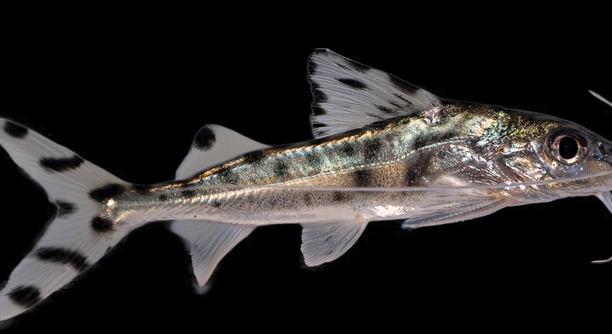
Many fish owners enjoy keeping Pictus catfish because of their active nature and unique appearance. These catfish need a comfortable environment to thrive and stay healthy. Simple changes to their tank can make a big difference in their well-being.
Improving the tank for Pictus catfish involves upgrading their environment with proper hiding spots, clean water conditions, suitable substrate, and adequate space. These upgrades help reduce stress and promote natural behaviors, leading to a happier and healthier fish.
Making a few easy upgrades can greatly improve your catfish’s quality of life. These changes are simple but effective for creating a better home.
Adding Proper Hiding Spots
Pictus catfish feel safer and less stressed when their tank has plenty of hiding spots. These fish are naturally shy and like to retreat when they feel threatened. Adding caves, driftwood, or dense plants gives them places to hide and explore. It’s important that these spots are easy to access and not overcrowded. When catfish have secure spaces, they tend to be more active and show natural behaviors like foraging at night. Avoid sharp decorations that might hurt their delicate barbels. You can use smooth rocks or purpose-made aquarium caves to create a comfortable environment. Regularly check these spots to keep them clean and free from debris. Proper hiding spots help reduce stress, which supports their immune system and overall health. This simple upgrade can make your tank more natural and welcoming for your Pictus catfish.
Having safe hiding spots boosts your catfish’s confidence and encourages natural activity.
Hiding spots also help reduce aggression from other tank mates. When the catfish can find refuge, they avoid unnecessary conflicts. It also mimics their natural habitat, helping them feel more at home. You don’t need to overcrowd the tank—just a few well-placed spots will do. Live plants like Java fern or Anubias work well as natural covers. Driftwood not only provides shelter but also adds tannins that can improve water quality slightly. Remember to arrange these areas to allow your catfish enough swimming space. With these simple changes, your catfish will feel more secure and happier in its environment.
Upgrading Water Filtration and Quality
Pictus catfish need clean, well-oxygenated water to stay healthy. Good filtration removes waste and toxins that can harm the fish. A powerful filter suitable for your tank size is necessary. Filters that combine mechanical, biological, and chemical filtration work best. Regular water changes also keep nitrate levels low and improve water clarity. Make sure the water temperature stays between 75-81°F (24-27°C) and the pH is slightly acidic to neutral, around 6.5-7.5. Poor water quality can lead to stress and illness. Keeping water parameters stable helps your catfish live longer and behave naturally.
Clean water with proper filtration prevents disease and promotes well-being.
Upgrading your filtration system doesn’t mean buying the most expensive filter. Look for one with good flow and filtration media suited for your tank size. Regular maintenance, like rinsing filter sponges and replacing carbon, keeps the system effective. Test your water weekly to catch any issues early. You can also add an air stone or sponge filter to improve oxygen levels, especially in tanks with heavier stocking. Remember that overfeeding and overcrowding increase waste, so keep a balanced tank environment. By maintaining good water quality, your Pictus catfish will be more active, have brighter colors, and show fewer signs of stress or illness.
Choosing the Right Substrate
A soft, smooth substrate is best for Pictus catfish because they like to dig and search for food. Sharp gravel can injure their delicate barbels, causing discomfort or infection.
Sand or fine, rounded gravel works well to protect their sensitive barbels. Sand allows the catfish to sift through the substrate naturally without risk of damage. It also helps keep the tank looking clean because waste settles on top and is easy to remove during cleaning. Avoid coarse or sharp substrates, which can lead to abrasions or stress. A proper substrate encourages natural foraging behavior and helps maintain overall health.
Besides comfort, substrate choice impacts water quality. Sand is less likely to trap debris deeply, making it easier to clean. This helps maintain stable water parameters, which is important for these sensitive fish. The right substrate also enhances the tank’s aesthetic, creating a more natural environment that benefits both fish and owner.
Providing Adequate Tank Size
Pictus catfish need enough space to swim actively. A tank smaller than 30 gallons restricts their movement and can stress them. Larger tanks promote healthier, happier fish.
When choosing a tank size, consider the adult length of your Pictus catfish, which can reach 4-5 inches. A spacious tank allows them to swim freely and express natural behaviors like exploring and hunting. Overcrowding leads to poor water quality and increased aggression among tank mates. A minimum of 30 gallons per fish is a good guideline for keeping them comfortable.
Tank size also affects maintenance ease. Bigger tanks have more stable water parameters and dilute toxins better. This means fewer sudden changes that can harm sensitive fish. Larger tanks give you more flexibility to add plants, decorations, and hiding places, creating a balanced environment your catfish will appreciate.
Improving Tank Lighting
Pictus catfish prefer dimmer lighting because they are nocturnal and more active at night. Bright lights can stress them and cause hiding behavior.
Using low-intensity or shaded lighting helps mimic their natural environment. Adding floating plants can reduce light and provide cover.
Enhancing Water Flow
A moderate water flow suits Pictus catfish well. Strong currents can tire them out, while still water might lower oxygen levels.
Using a filter with adjustable flow or adding a small powerhead creates a gentle current. This helps oxygenate the water and encourages natural swimming behavior without causing stress.
Adding Live Plants
Live plants improve water quality by absorbing toxins and adding oxygen. They also offer hiding places and reduce stress for your catfish.
Plants like Java fern and Anubias are easy to care for and thrive in similar water conditions as Pictus catfish.
Regular Tank Maintenance
Consistent cleaning keeps your catfish healthy. Regular water changes and gravel vacuuming prevent buildup of harmful waste.
FAQ
How often should I clean my Pictus catfish tank?
Regular maintenance is key to keeping your tank healthy. Aim to change about 20-30% of the water every week. This helps keep nitrate levels low and removes waste buildup. Cleaning the substrate with a gravel vacuum during water changes is also important. Filters should be rinsed monthly using tank water to avoid killing beneficial bacteria. Over-cleaning can remove these bacteria, so avoid washing filter media under tap water. Consistent cleaning prevents harmful toxins from accumulating and keeps your catfish comfortable.
What is the ideal diet for a Pictus catfish?
Pictus catfish are omnivores that enjoy a variety of foods. A balanced diet includes sinking pellets, live or frozen foods like bloodworms and brine shrimp, and occasional vegetable matter. They prefer food that sinks quickly because they feed near the bottom. Feeding them once or twice daily in small amounts prevents overfeeding and water pollution. Variety is important to meet their nutritional needs and keep them interested in their meals.
Can Pictus catfish live with other fish?
Yes, Pictus catfish are generally peaceful but active swimmers. They do well with other medium-sized, non-aggressive fish that share similar water requirements. Avoid slow-moving or very small fish, as Pictus catfish may unintentionally stress or harm them. Good tank mates include tetras, gouramis, and peaceful barbs. Always monitor interactions and be ready to separate fish if any aggression occurs.
What water parameters are best for Pictus catfish?
Pictus catfish thrive in slightly acidic to neutral water with a pH between 6.5 and 7.5. The temperature should be maintained between 75°F and 81°F (24°C to 27°C). Water hardness should be moderate, ideally between 5 to 15 dGH. Stable water conditions are crucial, so avoid sudden changes in temperature or pH. Using a reliable heater and testing water regularly helps maintain these conditions.
How large should my tank be for Pictus catfish?
A minimum tank size of 30 gallons is recommended for one Pictus catfish. These fish grow up to 5 inches and are active swimmers needing space. For multiple catfish, increase the tank size accordingly, ideally 10 more gallons per additional fish. Larger tanks offer better water stability and allow room for plants, decorations, and swimming space.
Why is my Pictus catfish hiding all the time?
Hiding behavior is normal for Pictus catfish, especially during the day since they are nocturnal. However, constant hiding may indicate stress or poor water quality. Check for any changes in water parameters, lighting, or tank mates causing stress. Ensure your tank has enough hiding spots and that water conditions are optimal. Improving these factors can help your catfish feel more secure and active.
What signs show that my Pictus catfish is healthy?
Healthy Pictus catfish are active, especially at night, with clear eyes and intact fins. Their barbels should be intact and free from damage or fungus. They should eat regularly and display normal swimming behavior without gasping or lethargy. Bright coloration and smooth skin are also good signs. Any sudden changes in behavior or appearance may indicate illness and require attention.
Can Pictus catfish tolerate different water conditions?
While they prefer stable, moderate conditions, Pictus catfish are somewhat adaptable. However, extreme shifts in temperature, pH, or hardness can cause stress or illness. It’s best to maintain consistent parameters within their preferred range. Sudden changes should be avoided to prevent shock or weakening of their immune system.
How do I encourage my Pictus catfish to be more active?
Creating a natural and comfortable environment helps increase activity. Provide proper hiding places, moderate water flow, and dim lighting. Feeding them at regular times and offering live or frozen foods can stimulate natural hunting behaviors. Avoid overcrowding the tank, as this can cause stress and reduce activity.
Is it necessary to have live plants with Pictus catfish?
Live plants are not required but highly beneficial. They improve water quality by absorbing nitrates and provide hiding spots that reduce stress. Plants also help create a more natural environment, encouraging your catfish’s natural behaviors. Easy-care plants like Java fern and Anubias are good choices that thrive in similar water conditions.
Final Thoughts
Taking care of Pictus catfish is rewarding when their tank is set up properly. These fish need an environment that meets their natural needs to stay healthy and active. Simple upgrades like adding hiding spots, choosing the right substrate, and maintaining clean water make a big difference in their well-being. Paying attention to these details helps reduce stress and supports their natural behaviors, making your catfish more comfortable and lively. The effort you put into creating a suitable home will show in how happy and healthy your fish become over time.
Water quality and tank size are also very important. Pictus catfish need clean, well-oxygenated water to thrive. A good filtration system and regular water changes keep the environment stable and safe. The tank should be large enough to allow these fish to swim freely and explore without feeling cramped. Overcrowding or poor water conditions can cause health problems and stress. By providing enough space and maintaining the right water parameters, you can prevent many common issues that affect Pictus catfish. These simple but essential care steps create a solid foundation for their long-term health.
Lastly, feeding and lighting choices play a role in your catfish’s happiness. Offering a varied diet with sinking pellets, live or frozen foods, and some plant matter helps meet their nutritional needs. Dim lighting or shaded areas reduce stress because these fish are nocturnal and prefer low light levels. Live plants and moderate water flow also improve their environment and encourage natural activity. When you combine all these upgrades, your Pictus catfish will have a much better quality of life. Taking time to understand their needs and making small changes will result in a thriving and enjoyable aquarium.

Hello,
If you enjoy the content that we create, please consider saying a "Thank You!" by leaving a tip.
Every little bit helps us continue crafting quality advice that supports the health, happiness, and well-being of pets around the world, for pets of all shapes, sizes, and species.
We really appreciate the kindness and support that you show us!